Trump’s Venezuelan Oil Coup & French Political Shocks: A Sunday Global Briefing
کودتای نفتی ترامپ در ونزوئلا و شوک سیاسی در فرانسه: گزارش ویژه یکشنبه
As France lurches toward political extremes in latest polling, a massive US-Venezuela oil deal and escalating trade spats with Canada redefine global energy and diplomacy.
At time of publishing
USD
206,400
Toman
Gold 18K
21.74M
Toman / gram
Bitcoin
$78,799
US Dollar
Tether
205,709
Toman
The French Political Earthquake and Market Anxiety
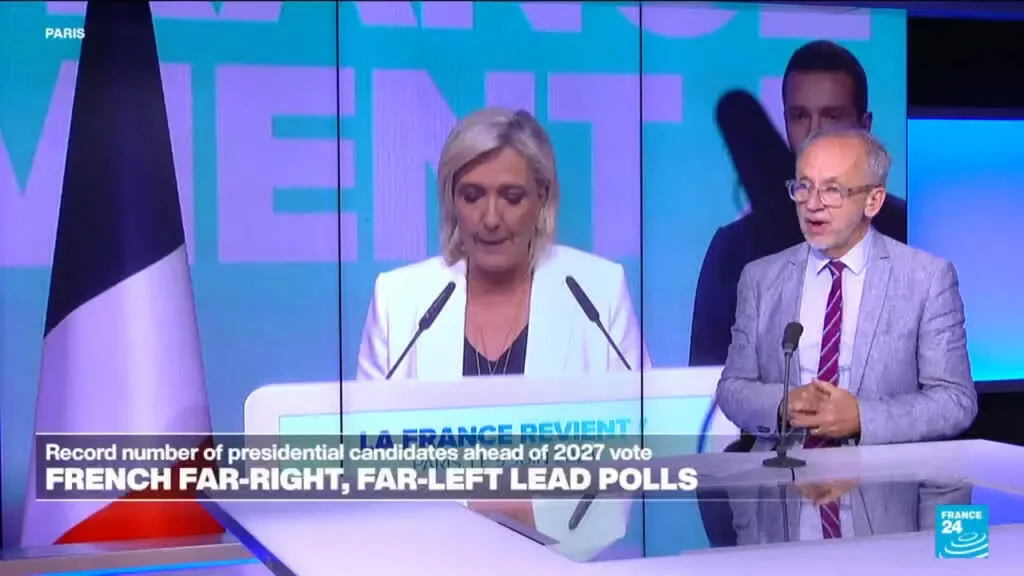
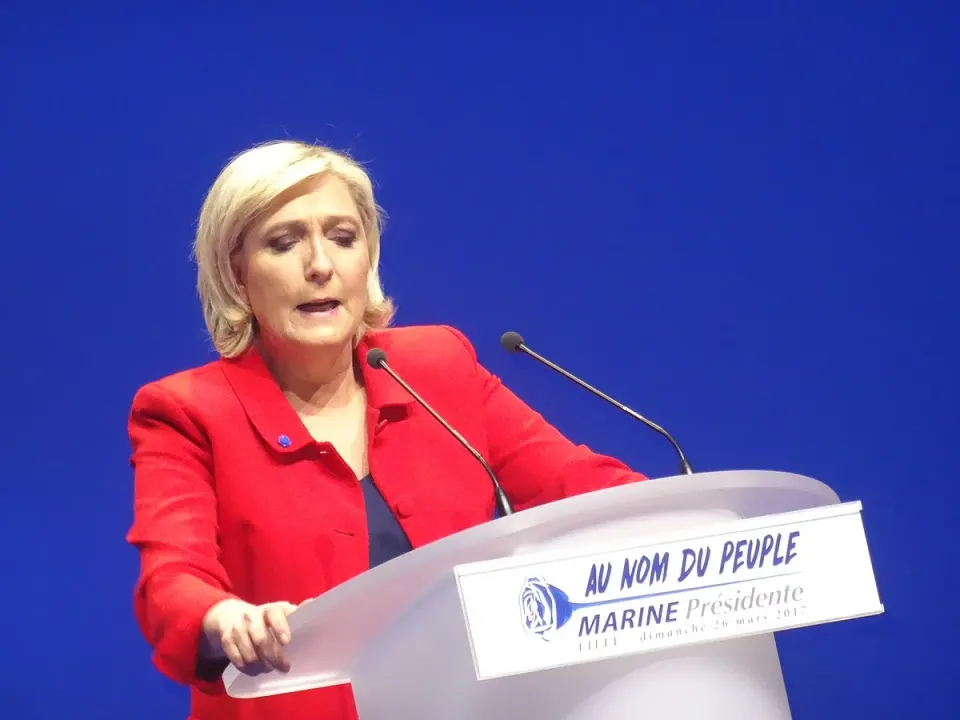
As the sun sets on Sunday, August 30, 2026, the European political landscape is facing its most significant tremor in decades. Latest opinion polls regarding the upcoming French presidential election show a dramatic surge for both the far-right National Rally, led by Marine Le Pen, and the far-left forces of Jean-Luc Mélenchon. With President Emmanuel Macron unable to run for a third term, the centrist 'Macronist' bloc appears to be evaporating, leaving a vacuum that is being filled by populist movements. This shift suggests a future France that could be fundamentally at odds with the current European Union structure, potentially leading to a 'Frexit' narrative or at least a severe paralysis of Brussels' decision-making processes.
For global markets, this political polarization is a harbinger of volatility. Investors typically reward stability and predictability; the prospect of a French government led by either extreme creates deep uncertainty regarding fiscal policy, labor laws, and France's role in the Eurozone. While the Euro has remained relatively resilient today, analysts warn that as the April election draws closer, we may see a flight to safety. This often translates to a stronger US Dollar, which indirectly puts pressure on emerging market currencies and local exchange rates in Tehran, where the USD sell rate currently sits at 206,400 Toman.
Trump’s Energy Dominance: From Venezuela to Canada
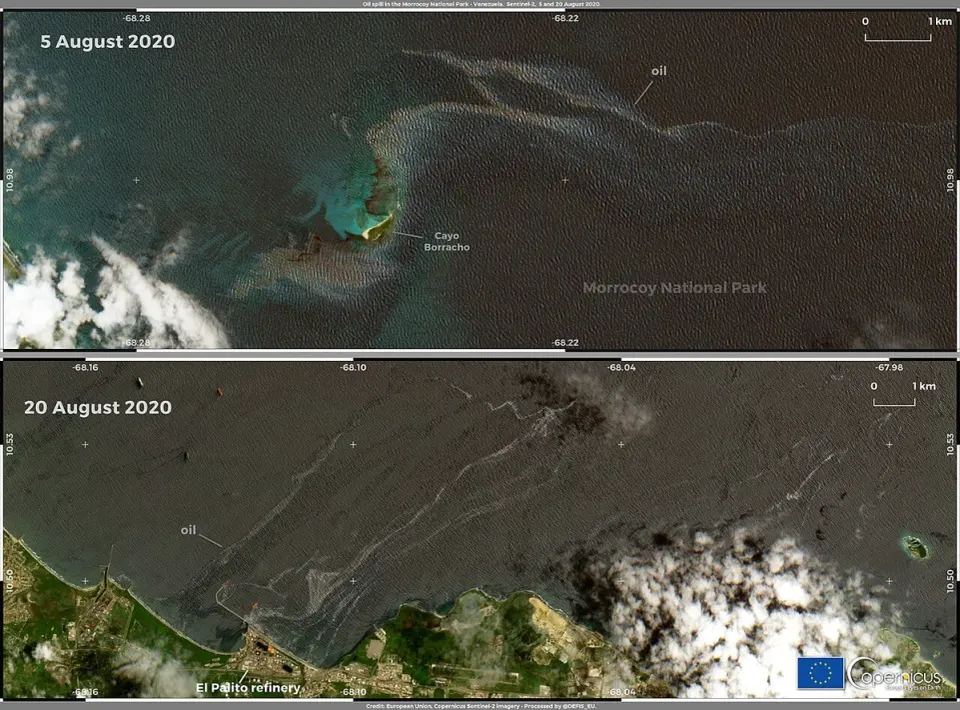
In a move that has sent shockwaves through the global energy sector, the interim Venezuelan government, led by Delcy Rodríguez, has defended a massive oil deal with Donald Trump. The agreement reportedly grants the United States significant control over 65 billion barrels of Venezuelan oil reserves. This follows the dramatic events of last January when Trump reportedly ordered the abduction of Nicolás Maduro. While Rodríguez insists that Venezuela maintains its sovereignty, the deal is being framed by the White House as the largest energy acquisition in history. This move is designed to make the U.S. an undisputed energy superpower, potentially driving global oil prices down and stripping leverage from traditional OPEC+ power players.
Simultaneously, the trade relationship between the U.S. and Canada has devolved into a bizarre symbolic and economic war. Following a 50% tariff on Canadian steel, President Trump issued an executive order to rename Lake Ontario to "Lake America" in U.S. administrative records. Google Maps has already updated its labels for U.S. users to reflect this change. Canada has responded by erecting massive signs asserting the original name, while Trump countered with a social media video of himself symbolically replacing those signs. While the optics are theatrical, the underlying reality is a brutal trade dispute that threatens the stability of North American supply chains and adds a layer of 'geopolitical premium' to global commodity prices.
Financial Noose Tightens: UAE Targets Iran-Linked Banking
In the Middle East, the financial corridors used by Tehran are facing renewed scrutiny. The United Arab Emirates central bank has announced a formal review of Banque Misr’s branches within the country. This move comes after the U.S. Treasury Department accused the Egyptian bank’s Emirati operations of facilitating transactions that bypass international sanctions on Iran. For years, the UAE has served as a critical node for Iranian trade and currency exchange; however, increasing pressure from Washington is forcing regional hubs to choose between maintaining their status as global financial centers or continuing to host 'grey market' activities.
This crackdown has direct implications for the liquidity of the Iranian Toman. If major regional banks like Banque Misr are forced to sever ties or implement more stringent KYC (Know Your Customer) protocols, the cost of moving capital into Iran will rise. Currently, the USD/IRR rate remains stable at 206,400 Toman, but the tightening of the sanctions net in the UAE often leads to a shortage of physical currency and AED (Dirham) liquidity. For the average Iranian, this translates to higher import costs and persistent inflationary pressure, regardless of the relative stability seen in today's market snapshot.
Scientific Frontiers and Local Market Stability
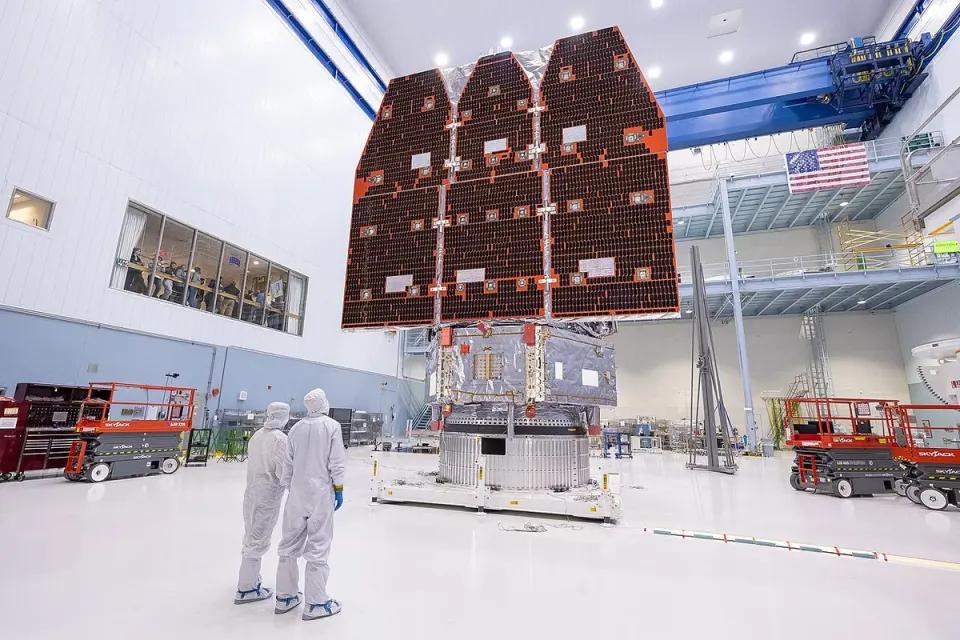
While geopolitics remains volatile, NASA has provided a rare moment of scientific triumph with the successful launch of the Nancy Grace Roman Space Telescope from Florida. Reaching orbit in just ten minutes, this "discovery machine" is tasked with solving mysteries of dark energy and exoplanets. It represents the pinnacle of American technological investment, a stark contrast to the terrestrial trade wars dominating the headlines. Scientists believe this telescope will redefine our understanding of the universe, much like the James Webb telescope did in the previous decade.
Back in the local markets, the day has been characterized by a rare moment of calm. Gold 18k/gram saw a slight decrease of 0.6%, moving from 21,868,507 to 21,739,230 Toman, while the Emami coin remained unchanged at 218,000,000 Toman. Bitcoin continues its strong performance, trading near $78,799, providing a digital alternative for those wary of traditional fiat volatility. As global shifts in energy and politics continue to unfold, the Iranian market appears to be in a 'wait-and-see' mode, bracing for the long-term impact of the US-Venezuela oil realignment.
Frequently Asked Questions
How does the US-Venezuela oil deal affect global prices?
Why is the UAE reviewing Banque Misr regarding Iran?
What does a far-right lead in French polls mean for the Euro?
Understanding Economic Sanctions: Tools of Geopolitics
Economic sanctions are powerful tools of foreign policy, employed by countries or international bodies to achieve specific political, economic, or security objectives against target nations, entities, or individuals. Far more than mere punitive measures, they are designed to coerce a change in behavior without resorting to military force. These measures can range from comprehensive trade embargoes, which restrict nearly all commerce, to more targeted financial restrictions, such as asset freezes, travel bans, or limitations on access to international financial systems.
The rationale behind implementing sanctions is multifaceted. Often, they are used to deter aggression, combat terrorism, prevent nuclear proliferation, or promote human rights. For instance, sanctions on Venezuela have aimed to pressure its government, while those on Iran have sought to curb its nuclear program and support for regional proxies. However, their effectiveness is a subject of ongoing debate. While they can undeniably inflict significant economic pain, they don't always achieve their desired policy outcomes and can sometimes exacerbate humanitarian crises or lead to unintended consequences, such as strengthening illicit trade networks.
The impact of economic sanctions reverberates widely, affecting not only the targeted state but also global markets and the international community. For the target country, sanctions can cripple industries, devalue currency, restrict access to essential goods, and reduce living standards for its citizens. Globally, they can disrupt supply chains, particularly in critical sectors like energy, leading to price volatility and shifts in geopolitical alliances. Understanding economic sanctions is crucial for grasping the complexities of international relations and global economic stability, as they are a frequent and influential instrument in today's interconnected world.