Sanctions Isolate Iranian Students, Toman & Gold Surge Amid US-Iran Tensions, Global Diesel Nears Peak
تحریمها دانشجویان ایرانی را منزوی کرد، طلا و تومان با تشدید تنشهای ایران و آمریکا صعودی شد، قیمت دیزل جهانی نزدیک به اوج جنگی
New US sanctions are severely impacting Iranian students, blocking access to crucial international exams needed for study abroad, further isolating a generation eager for global ties. Meanwhile, the UN has expressed grave concern over renewed US-Iran hostilities, a development that saw the Iranian Toman depreciate by 3% against the USD and gold prices surge.
At time of publishing
USD
222,300
Toman
Gold 18K
22.78M
Toman / gram
Bitcoin
$77,227
US Dollar
Tether
219,957
Toman
US Sanctions Sever Iranian Students' Academic Pathways
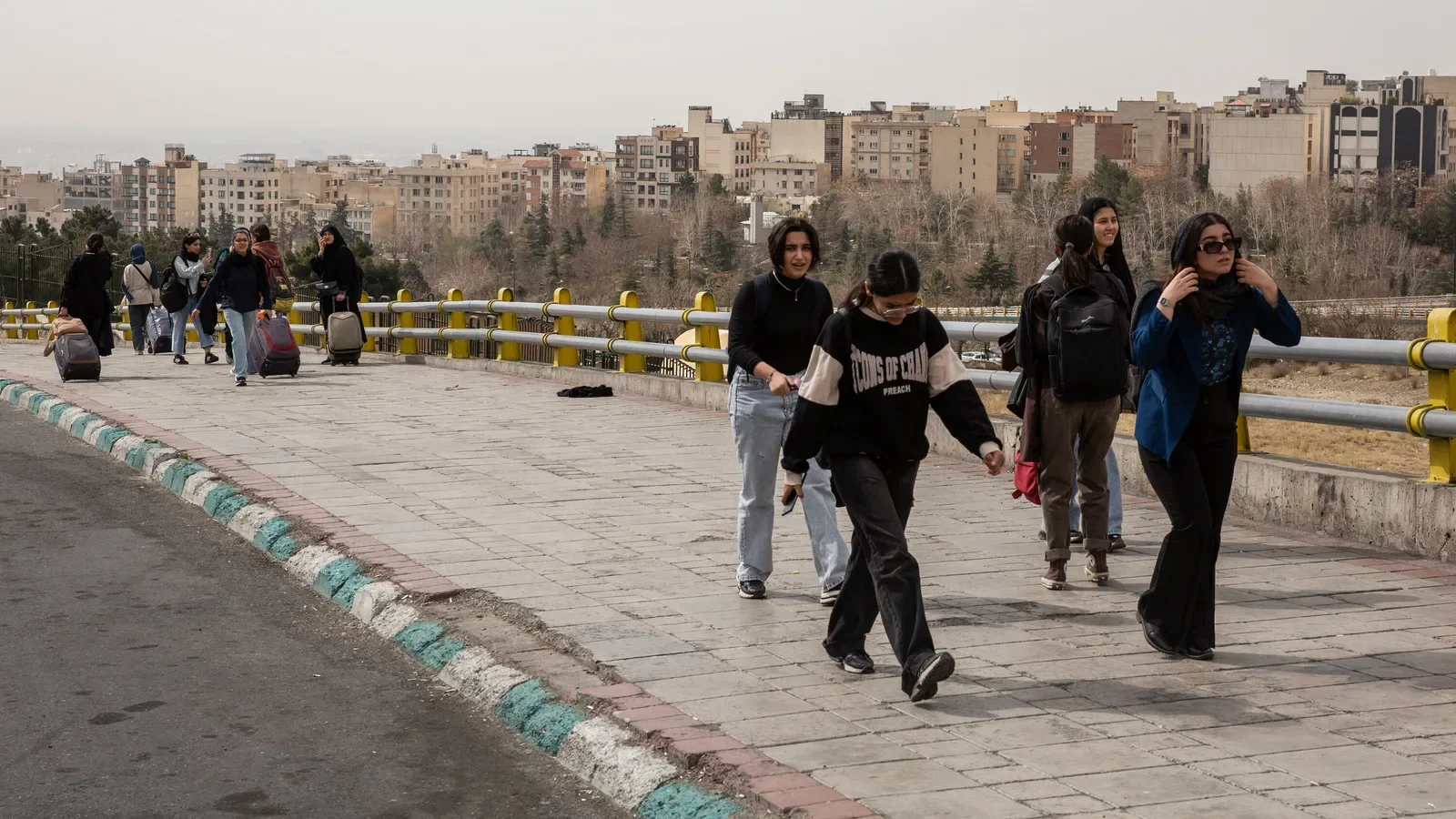
New United States sanctions are creating significant barriers for Iranian students, effectively cutting off their access to essential international exams required for studying abroad. These latest measures have led to the widespread cancellation of English proficiency tests like TOEFL and IELTS, as well as graduate entrance exams such as the GRE, within Iran. This unfortunate consequence directly impacts thousands of young Iranians who are actively seeking educational opportunities beyond their borders, hoping to foster international connections and advance their academic careers.
The implications of these sanctions extend far beyond mere logistical hurdles; they represent a deepening isolation for a segment of the Iranian population most eager to engage with the global community. By restricting the pathways to international education, the US policies inadvertently contribute to a brain drain risk while simultaneously limiting the potential for future diplomatic and cultural exchange. This situation not only creates immense personal frustration and disappointment for aspiring students but also hampers Iran's ability to retain and develop its highly educated youth, potentially stifling innovation and progress in the long term.

Frequently Asked Questions
How do US sanctions specifically affect Iranian students seeking to study abroad?
What is the UN's stance on the renewed exchange of fire between the US and Iran?
Why are global diesel prices nearing war-era peaks, and what are the economic implications?
How do geopolitical tensions typically influence the value of the Iranian Toman and gold prices in Iran?
What are the broader implications of US sanctions beyond direct economic impact, particularly on cultural and academic exchange?
Understanding Economic Sanctions and Their Far-Reaching Impact
Economic sanctions are punitive measures imposed by one or more countries, or international bodies, against a target state, entity, or individual. They are primarily used as a foreign policy tool to compel a change in behavior without resorting to military force. These measures can range from comprehensive trade embargoes and restrictions on financial transactions to targeted bans on specific goods, services, or individuals, aiming to exert economic pressure and isolate the target from the global financial and trading systems.
The imposition of economic sanctions often triggers a cascade of effects within the targeted economy. One immediate and common consequence is the depreciation of the local currency, as seen with the Iranian Toman. With restricted access to international markets and foreign currency reserves, the demand for foreign exchange typically outstrips supply, leading to a weaker domestic currency. This, in turn, makes imported goods more expensive, fueling inflation and eroding purchasing power for ordinary citizens.
In an environment of economic uncertainty and currency devaluation, individuals often seek to preserve their wealth by investing in safe-haven assets. Gold, historically a reliable store of value, frequently experiences a surge in demand and price during such periods, as observed in Iran. Beyond financial instability, sanctions can also have profound social and humanitarian impacts. Restrictions on international banking and trade can inadvertently hinder access to essential goods, including medicines and educational resources, and severely limit academic and cultural exchange, isolating students and scholars from global collaboration and opportunities.
Ultimately, while economic sanctions are designed to achieve specific political objectives, their implementation often carries significant and complex consequences, affecting not only the targeted government but also the daily lives and long-term prospects of its populace. The interplay of geopolitical tensions, economic isolation, and domestic market reactions creates a challenging environment that highlights the intricate web of global economics and international relations.