Iran Air Returns to Malaysia; Trump Predicts End of Iran Conflict During Dublin Golf Trip
بازگشت ایرانایر به شرق آسیا؛ پیشبینی ترامپ از پایان زودهنگام تنش با ایران در سفر دوبلین
Iran Air resumes strategic flights to Kuala Lumpur as Malaysia signals a diplomatic opening. Meanwhile, Donald Trump claims the 'Iran war' will end soon while visiting Ireland, as Tehran's gold and currency markets see a slight correction.
At time of publishing
USD
236,500
Toman
Gold 18K
24.14M
Toman / gram
Bitcoin
$77,366
US Dollar
Tether
236,449.389
Toman
Iran Air Reclaims Its Spot in East Asian Skies
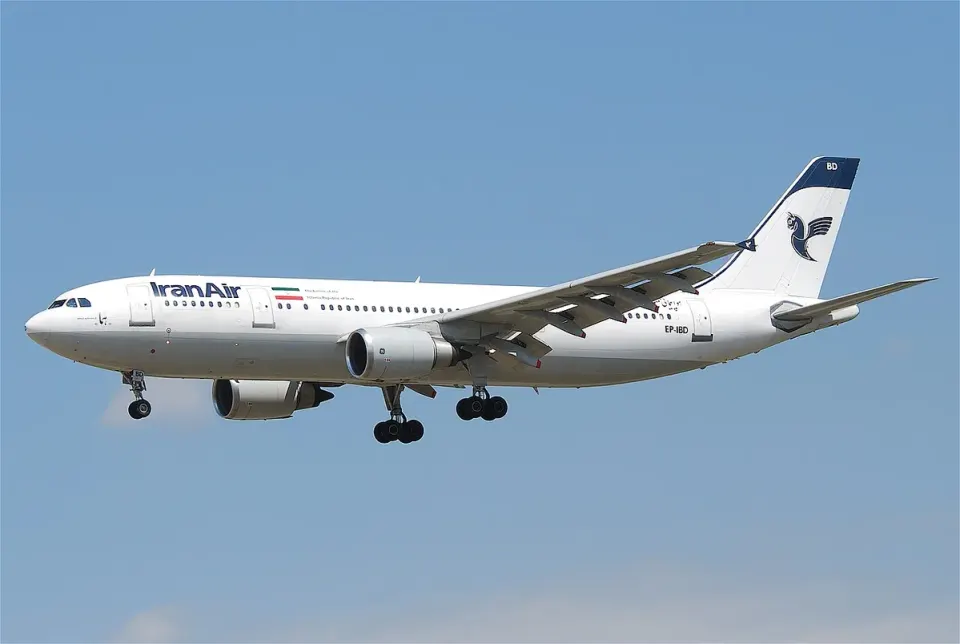
In a significant diplomatic and commercial shift, the Malaysian ambassador to Tehran has officially welcomed the resumption of Iran Air’s flight services to Malaysia. This move marks a strategic return for the national carrier to East Asia, a region where its presence had been severely curtailed by international sanctions and logistical hurdles over the past several years. The reopening of this route is not merely a convenience for travelers; it represents a vital economic artery for trade and the large Iranian expatriate community in Malaysia, which has long struggled with expensive and indirect transit options through third-party hubs.
From a broader perspective, this development suggests a pivot in Malaysia's diplomatic stance, showing a willingness to engage with Tehran despite the ongoing pressure of secondary sanctions. For the Iranian aviation industry, which has been plagued by aging fleets and restricted access to international airspace, the return to Kuala Lumpur is a rare piece of good news. It signals a potential blueprint for reclaiming other abandoned routes in Asia, provided that technical and financial clearing mechanisms can be sustained. For the average Iranian, this could eventually lead to more competitive travel pricing and a slight boost in trade confidence.
Trump in Dublin: Golf, Midterms, and the "Iran War"
While visiting Dublin for a two-day trip that includes meetings with political leaders and a stop at the Irish Open golf tournament, U.S. President Donald Trump has made bold claims regarding Middle Eastern geopolitics. Speaking with reporters, Trump asserted that the "war with Iran" would end "very soon," although he provided no specific policy framework or diplomatic roadmap to support the claim. This rhetoric comes at a sensitive time as the Republican party prepares for the November midterm elections, which Trump has explicitly framed as a referendum on his own personality and leadership style.
Analysts suggest that Trump’s comments in Ireland are likely designed for a domestic audience, aimed at projecting an image of a "deal-maker" who can pacify global flashpoints without traditional military intervention. However, the lack of detail leaves markets and regional actors in a state of cautious speculation. While Trump enjoys a personality cult that may power Republican success in the midterms, his unpredictable foreign policy statements often create volatility in global energy markets. In Tehran, these remarks are being watched closely, as any genuine de-escalation would have a profound impact on the Toman’s long-term valuation and the country's frozen assets abroad.
Toman and Gold Correct as Global Interest Rates Climb
The Tehran market experienced a noticeable cooling period this Saturday. The USD sell rate moved from 237,500 to 236,500 Toman, representing a 0.4% decrease. This local correction mirrors a broader global trend where the U.S. dollar is finding strength against other assets due to rising interest rates. In the United States, mortgage and refinance rates have climbed for the second consecutive day, with 18-month CD rates now offering up to 4.35% APY. This tightening of global liquidity often puts downward pressure on speculative assets and commodities, including gold.
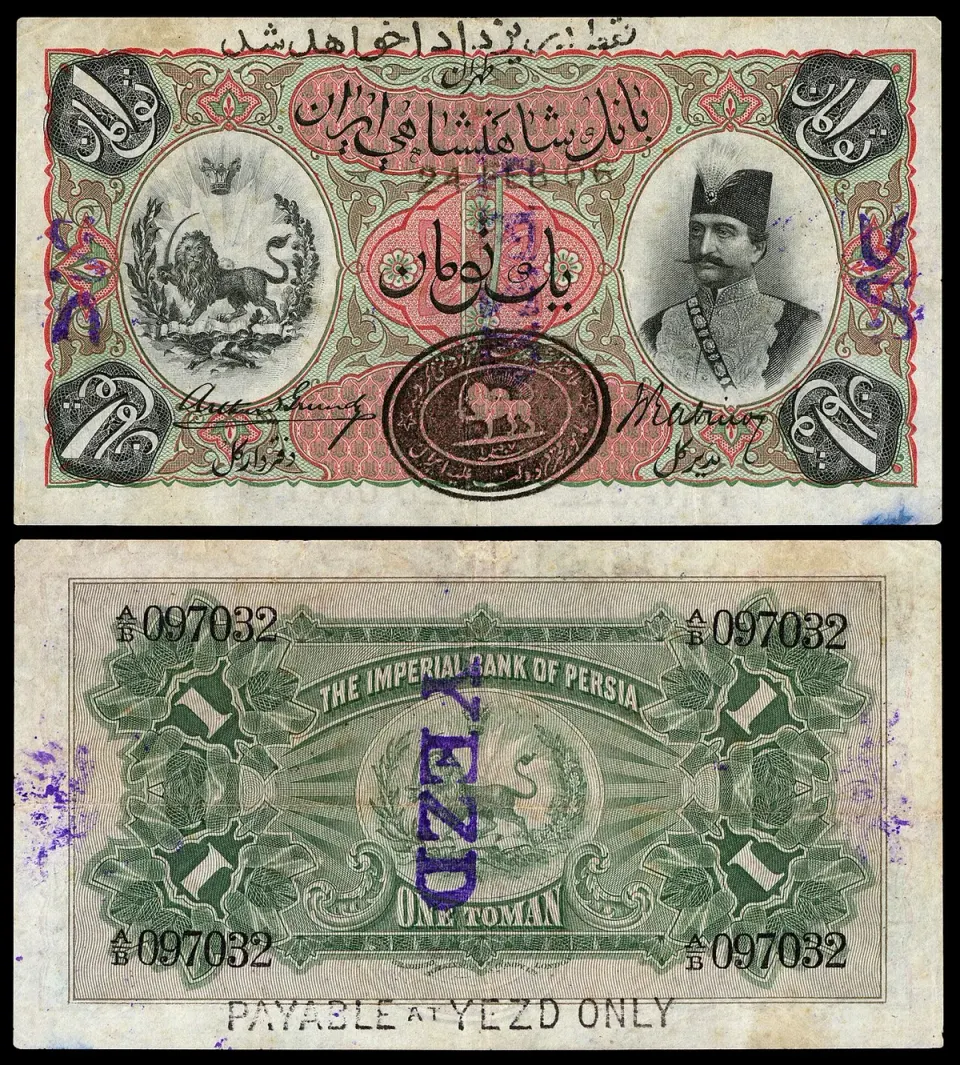
Domestically, the impact on gold was even more pronounced than the currency dip. Gold 18k per gram fell from 24,412,484 to 24,135,463 Toman, a 1.1% drop in just 24 hours. The Emami coin also saw a 0.6% decline, falling to 239,500,000 Toman. These shifts indicate that the local market may be reaching a temporary saturation point, or perhaps reacting to the possibility of the Federal Reserve raising interest rates multiple times in the coming months. For Iranian investors, the current climate suggests a shift from aggressive buying to a more observant stance as global macro-economic signals remain mixed.
Regional Instability and Hidden Hazards
While diplomatic channels show signs of opening in Asia, the situation in Yemen remains dire. New fighting between the Saudi-backed government and the Iran-backed Houthis has forced thousands to flee their homes with nothing but the clothes on their backs. The strategic port of Mokha, historically famous for the coffee trade, has once again become a coveted prize in the conflict. This ongoing instability serves as a reminder that despite official rhetoric of "victory" from some IRGC spokespersons, the humanitarian cost and the risk to Red Sea shipping lanes continue to escalate, keeping regional risk premiums high.
On a different front of public safety, a startling report from London has revealed that hundreds of Underground workers may have been exposed to asbestos for nearly 20 years without proper protective gear. Documents show that safety regulations from 2002 regarding face-fitted masks were ignored. This story highlights a growing global concern over institutional negligence in worker safety, a theme that resonates even in Iran where industrial safety standards are frequently criticized. Whether it is the physical danger of a war zone or the invisible threat of toxic dust in a modern subway, the protection of the workforce remains a neglected priority across the globe.
Frequently Asked Questions
چرا بازگشت ایرانایر به مالزی اهمیت دارد؟
دلیل اصلی کاهش قیمت طلا در بازار امروز تهران چیست؟
ادعای ترامپ درباره پایان تنش با ایران چقدر جدی است؟
Understanding Economic Sanctions
Economic sanctions are powerful foreign policy tools, essentially coercive economic measures taken by one or more countries (or international organizations) against a target country, entity, or individual. Their primary objective is to compel a change in behavior or policy from the target, often in response to actions deemed unacceptable, such as nuclear proliferation, human rights abuses, or acts of aggression. Rather than resorting to military force, sanctions aim to exert pressure by inflicting economic pain, limiting access to international markets, and disrupting financial flows.
These measures can take various forms, ranging from comprehensive trade embargoes that restrict nearly all imports and exports, to more targeted financial sanctions. Financial restrictions might include freezing assets of specific individuals or government entities, banning transactions with certain banks, or even cutting off a country's access to global financial messaging systems like SWIFT. Travel bans on officials and restrictions on specific sectors (e.g., oil, aviation, technology) are also common. The goal is to isolate the target economically and politically, making it difficult for them to conduct international business or fund their operations.
While the intended outcome of sanctions is to achieve policy change, their effectiveness is a subject of ongoing debate. They can certainly inflict significant economic hardship, leading to inflation, currency depreciation (like the USD/IRR exchange rate mentioned in the keywords), and shortages of goods. However, they often have severe unintended consequences, disproportionately affecting ordinary citizens and potentially fueling black markets. In some cases, sanctions can even strengthen the resolve of the targeted regime or push them towards alliances with other sanctioned states, complicating diplomatic efforts.
The keywords mentioning "Iran Air Returns to Malaysia" and the "USD IRR exchange rate" directly highlight the profound impact of economic sanctions. For decades, Iran has been a prominent example of a nation subject to extensive international sanctions, which have deeply affected its economy, its ability to engage in international trade, and the daily lives of its citizens. A return of flights or a prediction of conflict ending often signals a potential easing or lifting of these economic restrictions, demonstrating their direct link to diplomatic shifts and economic prospects.