Tehran Rejects Temporary Truces as Houthi Advances and Saudi Oil Disruptions Shake Regional Markets
اصرار تهران بر پایان دائمی جنگ؛ همزمان با پیشروی حوثیها و اختلال در صادرات نفت عربستان
Iran has officially signaled that only a permanent end to regional hostilities is acceptable, rejecting temporary ceasefires as insufficient for stability. Meanwhile, Houthi forces have seized strategic positions near the Bab el-Mandeb strait, coinciding with a major Saudi oil pipeline shutdown that has rattled energy markets.
At time of publishing
USD
236,800
Toman
Gold 18K
24.08M
Toman / gram
Bitcoin
$77,279
US Dollar
Tether
235,700
Toman
Iran’s Strategic Shift: Why a Permanent Peace is the Only Goal
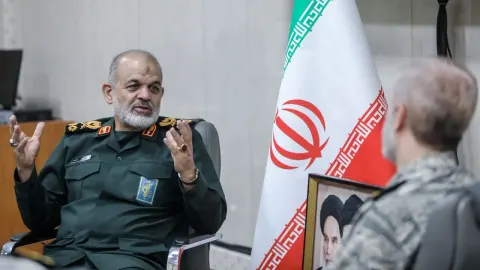
At 15:00 Tehran time, the Islamic Republic has clarified its diplomatic stance regarding the ongoing regional conflicts. According to reports from IRNA, Tehran is no longer interested in the cycle of temporary ceasefires that have characterized the last several months. The government’s position is that a temporary halt in fighting without ironclad guarantees against renewed aggression offers no lasting stability for the Iranian economy or the wider region. This stance is rooted in the belief that temporary truces merely allow opposing forces to re-arm and regroup, leaving the underlying threat to Iranian interests intact.
For the average Iranian citizen, this high-stakes diplomacy has immediate consequences. The market’s reaction to this hardline but clear stance has been one of cautious consolidation. The USD/IRR exchange rate moved from 237,500 to 236,800 (-0.3%) over the last 24 hours, suggesting that while the rhetoric is firm, the lack of immediate escalation is providing a thin layer of support for the Toman. However, the insistence on a "permanent end" to the war implies a longer road ahead for sanctions relief, as Western powers typically favor incremental de-escalation steps that Tehran is now publicly rejecting.
Red Sea Chokehold: Houthi Advances and the Saudi Oil Crisis
The geopolitical situation has grown significantly more complex following reports that Houthi forces have seized key strategic sites and islands around the Bab el-Mandeb strait. This maritime corridor is one of the world's most vital energy arteries, and any disruption there sends shockwaves through global shipping and insurance rates. The seizure comes at a particularly sensitive time, as Saudi Arabia was forced to shut down its critical East-West oil pipeline following a drone attack that Baghdad officials have confirmed originated from Iraqi territory. This double blow to energy infrastructure has kept gold prices elevated, with the global ounce trading at $4,349.70.
This escalation in the Red Sea directly impacts Iran’s economic landscape by increasing the cost of imported goods due to higher maritime insurance premiums. While Iran officially denies involvement in these specific attacks, the regional tension bolsters the "risk premium" on the Toman. In the domestic market, Emami coins dropped slightly to 239,500,000 Toman (-0.6%), and 18k gold fell to 24,077,750 Toman per gram (-1.4%), reflecting a complex interplay between a strengthening Toman and high global gold prices. Investors are currently weighing the possibility of a broader regional supply chain collapse against the backdrop of Tehran's diplomatic demands.
Trump in Ireland: Populism, Golf, and a 'United Ireland'
Across the Atlantic, Donald Trump’s visit to his Doonbeg golf resort in Ireland has sparked a mix of intense protest and local praise. During his stay for the Irish Open, Trump made headlines by stating that a "United Ireland" would be "fantastic," a comment that has sent ripples through the diplomatic circles of London and Dublin. While the visit is ostensibly for sport and business, Trump’s comments on European sovereignty and border issues continue to define his 2026 foreign policy approach, which favors disruptive rhetoric over traditional diplomatic caution. Locals in Doonbeg have praised the economic boost provided by the Trump resort, even as protesters in Dublin voice opposition to his broader political agenda.
This visit serves as a reminder of the unpredictable nature of U.S. foreign policy under the current administration. For Iranian observers, Trump’s willingness to challenge long-standing European status quos suggests that his approach to Middle Eastern sanctions and trade could be equally unconventional. As the U.S. blocks certain cooperation efforts with nations like Brazil on transnational crime, it becomes clear that the administration is prioritizing bilateral deals and personal diplomacy over multilateral institutions. This global shift toward protectionism and unpredictability is a primary driver behind Bitcoin’s current struggle to maintain its footing above the $77,000 mark.

Institutional Accountability and Global Health Leadership
In a stark contrast of institutional narratives, two major stories today highlight the struggle for accountability and proactive leadership. In the United States, the Brookwood Church in South Carolina is facing severe scrutiny after it was revealed that a registered sex offender was allowed to serve in ministerial roles for decades. This failure of vetting and institutional oversight has sparked a national conversation about the safety of religious youth programs. Meanwhile, in Africa, Dr. Jean Kaseya of the Africa CDC is pushing for a new era of health sovereignty, demanding that African leaders take full ownership of the Ebola response rather than relying solely on international donors.
These stories reflect a broader global trend where the public is demanding more from their institutions—whether religious, political, or medical. In the context of the global economy, this demand for transparency and local ownership is manifesting in the BRICS nations' recent calls for smoother global trade and supply chains that are less dependent on Western-dominated systems. As these institutional shifts occur, they create a backdrop of systemic change that eventually filters down to market sentiment and individual financial security, reinforcing the need for diversified assets like gold and crypto in an era of institutional distrust.
Frequently Asked Questions
Why is Iran rejecting a temporary ceasefire?
How does the Houthi seizure of Bab el-Mandeb sites affect the Iranian market?
What caused the drop in gold prices in Tehran today?
The Strategic Importance of the Bab el-Mandeb Strait
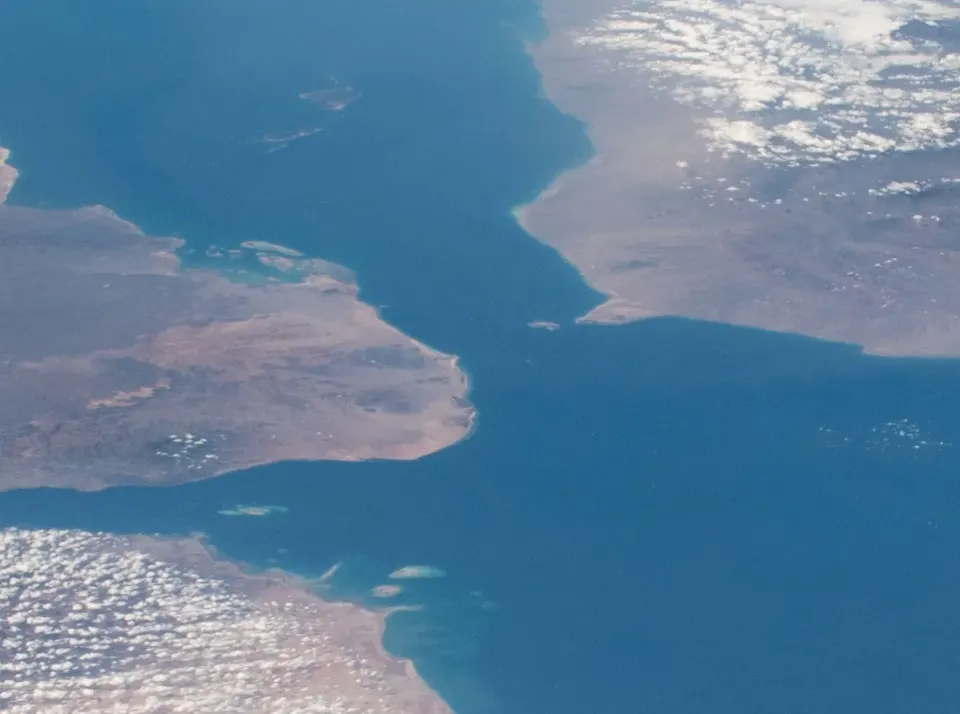
The Bab el-Mandeb Strait, whose name translates to "Gate of Tears" or "Gate of Lamentation" in Arabic, is a vital maritime chokepoint connecting the Red Sea to the Gulf of Aden and the Arabian Sea. Located between Yemen on the Arabian Peninsula and Djibouti and Eritrea on the Horn of Africa, it is only about 18 miles (30 kilometers) wide at its narrowest point. This geographical bottleneck is one of the world's most critical shipping lanes, particularly for oil and natural gas shipments heading to and from the Suez Canal.
Its strategic significance cannot be overstated. A substantial portion of global seaborne oil and liquefied natural gas (LNG) transits through Bab el-Mandeb. Any disruption to this strait can have immediate and far-reaching consequences for international energy markets, leading to higher shipping costs, increased transit times, and ultimately, spikes in global oil and gas prices. The geopolitical instability in the region, including conflicts in Yemen involving groups like the Houthis, frequently poses threats to the security of vessels navigating these waters.
Control or influence over the Bab el-Mandeb Strait is thus a key geopolitical objective for various regional and international powers. Incidents such as drone attacks on oil infrastructure or threats to shipping in the Red Sea directly highlight the vulnerability of this maritime artery. Understanding the strait's role is crucial for grasping how regional conflicts, even those seemingly localized, can quickly escalate to impact global trade, energy security, and international relations, making it a focal point for security concerns and diplomatic efforts.