
Spain’s Housing Crisis Sparks Outcry as Iraq Pleads for Sanctions Relief on Iranian Flights
بحران مسکن در اسپانیا و چانهزنی بغداد برای معافیت پروازهای ایران در سایه ثبات بیتکوین
A symbol of Spain’s housing crisis, 87-year-old María del Carmen Abascal, sparks national debate as Iraq seeks US sanctions exemptions for Iranian flights and Bitcoin consolidates near record highs.
At time of publishing
USD
234,700
Toman
Gold 18K
23.86M
Toman / gram
Bitcoin
$84,021
US Dollar
Tether
233,979
Toman
The Human Face of Europe’s Housing Crisis
Spain is currently grappling with a profound social awakening as the case of 87-year-old María del Carmen Abascal becomes a national flashpoint. Abascal, who was recently evicted from her long-term home, released a poignant video from a hospital bed urging Spaniards to "fight" to avoid a similar fate. Her story has transcended local news, becoming a symbol of a broader housing crisis fueled by rising interest rates, tourism-driven gentrification, and a lack of affordable public housing. This social unrest is not just a humanitarian concern; it represents a growing political risk for the Spanish government as public anger translates into demands for radical legislative intervention in the property market.
For investors and observers of European markets, the situation in Spain highlights a recurring theme across the continent: the tension between fiscal stability and social welfare. As governments struggle to balance budgets, the cost of living—particularly housing—is driving a wedge between the state and its citizens. If the Spanish government is forced to implement aggressive rent controls or property seizures to appease the public, it could lead to a significant cooling in foreign direct investment in the Eurozone's real estate sector, potentially impacting the Euro's long-term stability.

---
Iraq’s Diplomatic Balancing Act and Iranian Aviation
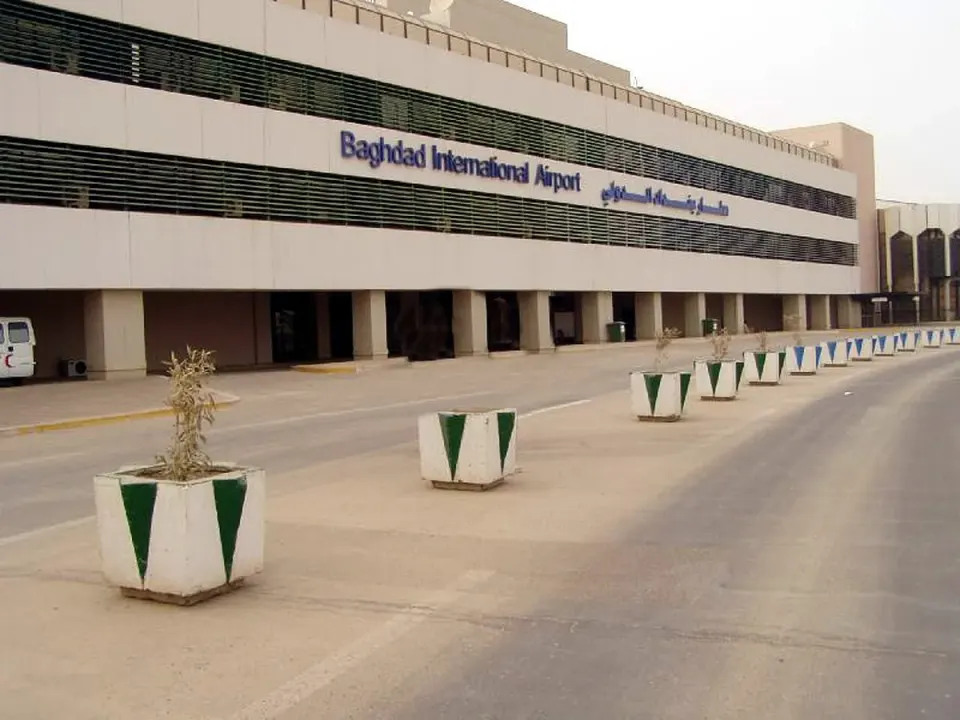
In the Middle East, the government of Ali al-Zaidi in Iraq is making a strategic push to de-escalate regional tensions by seeking a specific U.S. exemption from the ban on Iranian flights. Baghdad argues that the current sanctions on Iranian airlines are not only stifling regional connectivity but also placing an undue economic burden on Iraq’s own aviation and tourism sectors. This move comes at a critical time as Tehran attempts to navigate a tightening web of international restrictions. For Iran, securing even a partial lifting of flight bans through Iraqi mediation would represent a significant diplomatic victory and a much-needed breath of life for its struggling civil aviation industry.
From a market perspective, this diplomatic maneuver is being closely watched by currency traders in Tehran. Any sign of sanctions relief, even in a niche sector like aviation, is often interpreted as a signal of potential broader de-escalation. However, with the U.S. administration maintaining a hardline stance, the likelihood of a swift exemption remains low. This uncertainty contributed to a slight uptick in the USD/IRR rate this evening, as the market remains skeptical of breakthroughs that aren't backed by formal agreements. President Pezeshkian’s return to Tehran today after the UN General Assembly further underscores the transition from high-level diplomacy to the reality of managing a sanctioned economy.
---
Bitcoin Stability and the Tehran Market Correction
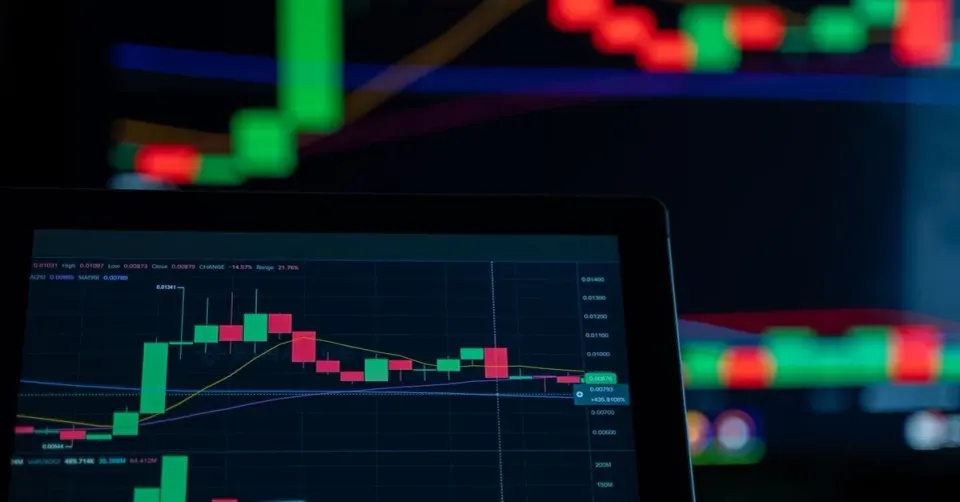
As the weekend winds down, Bitcoin continues to consolidate in a tight range just below its all-time high, currently trading at $84,021. The market is digesting the fallout from the failed Clarity Act in the U.S. Senate, which has led major regulators like the SEC and the Fed to take the lead in defining the industry's rules. This shift toward regulatory-led oversight rather than legislative certainty has created a "wait and see" atmosphere among institutional investors. Despite the lack of a breakout, the fact that Bitcoin is holding these levels suggests a strong underlying bid, supported by consistent inflows into spot ETFs which have seen a seven-day winning streak.
In the domestic Tehran market, we are seeing a divergence between different asset classes. The USD/IRR rate moved from 233,700 to 234,700, a modest increase of 0.4%, reflecting a cautious stance toward regional news. Interestingly, while Gold 18k rose by 0.5% to reach 23,858,442 Toman per gram, the Emami coin experienced a correction, dropping from 240,000,000 to 238,500,000 Toman (-0.6%). This suggests that the "coin bubble" is continuing to deflate as investors pivot toward raw gold as a more stable hedge against inflation, wary of the high premiums often associated with minted coins during periods of high volatility.
Frequently Asked Questions
چرا قیمت سکه امامی کاهش یافته اما طلا گران شده است؟
درخواست عراق برای معافیت پروازهای ایران چه تاثیری بر بازار دارد؟
علت ثبات بیتکوین در محدوده ۸۴ هزار دلار چیست؟
Understanding Economic Sanctions: Tools of International Pressure
Economic sanctions are a powerful, non-military foreign policy tool used by countries or international bodies to influence the behavior of other states, entities, or individuals. These punitive measures typically involve restrictions on trade, finance, travel, or other economic interactions. Common forms include trade embargoes that limit imports and exports, asset freezes that block access to financial resources, and restrictions on financial transactions, all designed to exert economic pressure without resorting to military force.
The primary goal of economic sanctions is to compel a target to change its policies or actions, whether related to nuclear proliferation, human rights abuses, terrorism, or regional stability. By disrupting a target's economic activity, limiting its access to international markets, and making it more difficult to conduct international trade or secure financing, sanctions aim to create sufficient domestic pressure to force a policy shift. They can also serve to punish past transgressions or deter future undesirable behavior.
However, the effectiveness and ethical implications of sanctions are subjects of ongoing debate. While they can undeniably inflict significant economic hardship—leading to inflation, currency depreciation (as might be seen with the USD/IRR exchange rate), unemployment, and supply chain disruptions—they often carry unintended consequences. Sanctions can disproportionately harm civilian populations, spark humanitarian concerns, and sometimes entrench defiant regimes rather than weakening them. The request from Iraq for sanctions relief on Iranian flights, as mentioned in the headline, underscores the real-world impact these measures have on regional economies and daily life, prompting calls for nuanced approaches and careful consideration of their broader effects.