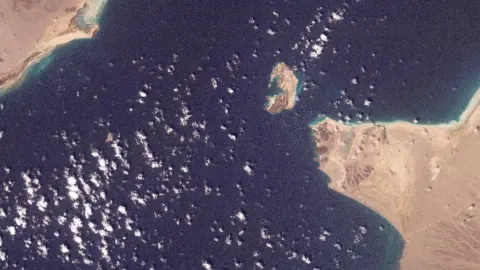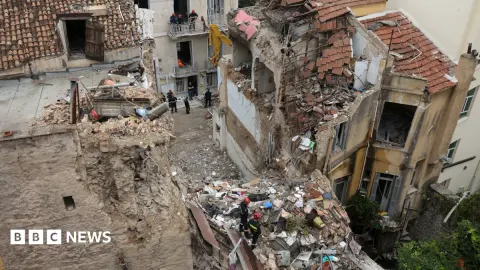
AI Forensics Reopen 27-Year-Old Jill Dando Mystery as Trump Rejects Iran's Hormuz Proposal
بازگشایی پرونده قتل ۲۷ ساله با هوش مصنوعی و رد پیشنهاد هرمز توسط ترامپ
Scotland Yard is utilizing cutting-edge CCTV enhancement to review the 1999 Jill Dando murder, highlighting a global surge in tech-driven cold case breakthroughs. Meanwhile, geopolitical tensions remain high as Donald Trump rejects Tehran's 7-day roadmap for the Strait of Hormuz, keeping Tehran's currency markets in a state of cautious volatility.
At time of publishing
USD
234,700
Toman
Gold 18K
23.92M
Toman / gram
Bitcoin
$84,043
US Dollar
Tether
234,657.519
Toman
Technological Resurrection: The Jill Dando Cold Case
In a move that underscores the transformative power of modern forensic technology, Scotland Yard has announced a significant review of CCTV footage related to the 1999 murder of BBC broadcaster Jill Dando. Detectives are now employing advanced image enhancement algorithms to re-examine grainy footage from Putney Bridge Underground station, captured nearly three decades ago. While officials insist this is not a "new" investigation but rather a continuation of existing inquiries, the application of 2026-era AI processing to 1990s analog tapes represents a pivotal moment in criminal justice. The hope is that previously obscured faces or movements can finally be identified, providing closure to a case that has haunted the British public for over a generation.
This development is part of a broader global trend where the "unsolvable" is becoming solvable through digital archeology. Just as DNA sequencing has cleared decades-old backlogs, AI-driven visual reconstruction is allowing investigators to see through the noise of low-resolution legacy media. For the public and the legal system, this means that the statute of limitations on anonymity is effectively shrinking. The Jill Dando review serves as a high-profile test case for whether technology can bridge the gap between historical tragedy and modern accountability, even when the trail has been cold for twenty-seven years.

The DNA Revolution: Justice After Two Decades in California
Parallel to the developments in London, authorities in California have successfully brought charges in a missing person case that dates back twenty years. Jeff Maiorca, 53, has been charged with the murder of his ex-wife, Jill Maiorca, whose remains were only discovered in 2020—thirteen years after she vanished—hidden in a crawlspace beneath a home. The breakthrough in this case was attributed to modern DNA techniques that were simply unavailable at the time of her disappearance in 2007. This case highlights a grim reality: the physical evidence of the past is being re-interrogated by the tools of the future, leaving fewer places for perpetrators to hide.
These forensic victories carry significant societal implications. As genetic genealogy and AI reconstruction become standard practice, the costs of cold case investigations are dropping, and the success rates are climbing. However, this also raises complex questions regarding privacy and the permanence of digital and biological records. For families of victims, these technologies are a miracle of closure; for the legal system, they represent a shift toward a world where time no longer guarantees an escape from justice. The Maiorca case serves as a stark reminder that even a body hidden for over a decade in a crawlspace can eventually tell its story when met with the right scientific lens.
Geopolitics and Energy: The Hormuz Stalemate Continues
On the geopolitical front, the diplomatic "roadmap" proposed by Tehran to reopen the Strait of Hormuz has hit a significant roadblock. Donald Trump has reportedly rejected the seven-day proposal, which was submitted via Qatari mediators. The plan suggested a rapid de-escalation and a return to nuclear discussions if Washington agreed to specific concessions. The rejection signals that the White House is maintaining its maximum-pressure stance, likely waiting for further leverage or domestic political shifts before engaging in formal dialogue. This stalemate keeps the world's most critical oil transit point under a cloud of uncertainty, directly impacting global energy risk premiums.
Simultaneously, the US domestic energy landscape is facing its own internal friction. Regulators in North Carolina recently rejected a major gas power plant project by Duke Energy, despite projections that US natural gas output will reach record highs in 2026 and 2027. This rejection highlights the ongoing tension between the federal push for energy dominance—intended to offset global supply shocks from regions like the Middle East—and state-level environmental and regulatory hurdles. For the markets, this creates a paradoxical situation where supply is abundant at the source, but infrastructure bottlenecks and political disagreements prevent that supply from stabilizing long-term prices.
Tehran Market Analysis: Currency and Gold React
In the wake of the rejected Hormuz deal, the Tehran market has shown a measured but clear reaction. The US Dollar (USD/IRR) rose from 233,700 to 234,700 Toman, marking a 0.4% increase over the last 24 hours. This slight upward movement reflects a market that had partially priced in the possibility of a diplomatic breakthrough and is now recalibrating for a prolonged period of tension. While the jump isn't a full-scale panic, it demonstrates the extreme sensitivity of the Toman to any news regarding the Strait of Hormuz and US-Iran relations.

Gold markets provided a mixed signal. The price of 18k gold per gram rose from 23,731,474 to 23,916,154 Toman (+0.8%), tracking the global rise in gold prices as investors seek safe havens amid geopolitical uncertainty. Conversely, the Emami coin saw a slight correction, falling from 240,000,000 to 238,500,000 Toman (-0.6%). This divergence suggests that while raw gold remains a favored hedge against currency devaluation, the speculative premium on minted coins is cooling off as liquidity tightens. Meanwhile, Bitcoin continues to hover around the $84,043 mark, acting as a secondary digital hedge for Iranian investors looking to move capital outside the traditional banking system.
Frequently Asked Questions
چرا پرونده جیل داندو پس از ۲۷ سال دوباره باز شده است؟
واکنش بازار ارز تهران به رد پیشنهاد هرمز توسط ترامپ چه بود؟
علت تضاد در قیمت طلا و سکه در بازار امروز چیست؟
The Geopolitical Significance of the Strait of Hormuz
The Strait of Hormuz is arguably the world's most critical maritime chokepoint, a narrow sea passage connecting the Persian Gulf to the Gulf of Oman and, subsequently, the Arabian Sea. This strategic waterway is just 21 nautical miles (39 kilometers) wide at its narrowest point, yet it serves as the sole sea passage for a substantial portion of the world's oil supply. Its geographical position makes it indispensable for the global energy market, as numerous major oil-producing nations in the Persian Gulf region rely on it for their exports.
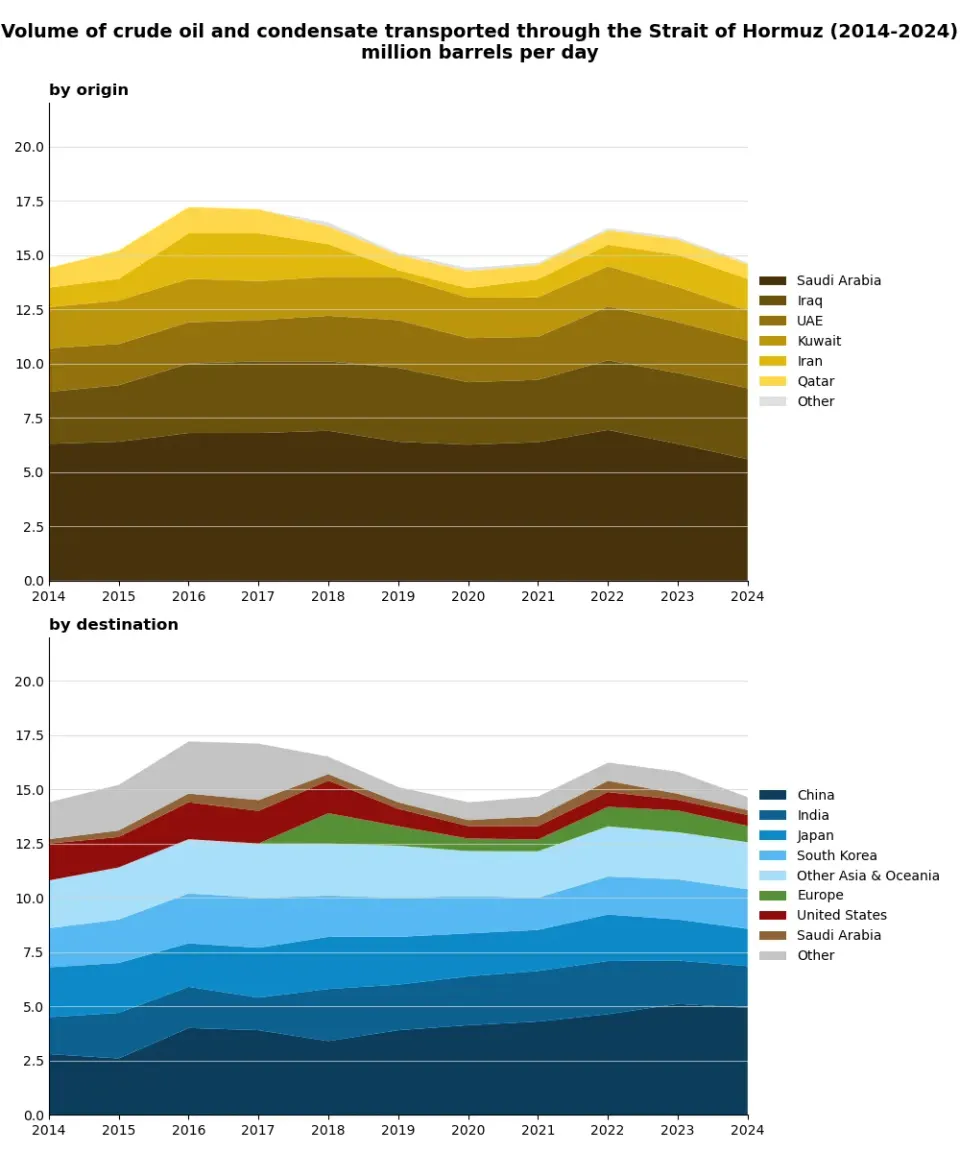
What makes the Strait of Hormuz so significant is the sheer volume of oil that transits through it daily. Approximately one-fifth of the world's total seaborne oil supply, and a significant percentage of liquefied natural gas (LNG), passes through this strait. This includes exports from countries like Saudi Arabia, Iran, the UAE, Kuwait, and Iraq. Any disruption to traffic in the Strait of Hormuz would have immediate and severe repercussions on global oil prices, energy security, and the stability of international markets, affecting economies worldwide.
The Strait's geopolitical importance is further amplified by its proximity to Iran, which borders the northern side of the passage. Iran has historically asserted its ability to close or disrupt traffic in the Strait in response to international pressure, sanctions, or military threats. This leverage provides Iran with a powerful geopolitical tool, making the Strait a frequent flashpoint in regional and international tensions. The headline's mention of "Trump Rejects Iran's Hormuz Proposal" underscores the ongoing strategic rivalry and the Strait's central role in the foreign policy calculations of major global powers.
Beyond oil, the Strait is also vital for general cargo shipping and military movements, making its security a paramount concern for maritime nations globally. The potential for military confrontation, blockades, or acts of piracy in this area carries profound implications for global trade, insurance rates, and the broader security architecture of the Middle East.