Trump's Executive Power Bid on Kennedy Center Blocked; Iran Airspace Declared Safe as Oil Talks Ease Rally
تلاش ترامپ برای افزایش قدرت اجرایی در مورد مرکز کندی مسدود شد؛ حریم هوایی ایران امن اعلام و مذاکرات نفتی، رالی قیمتها را آرام کرد
A bipartisan effort to curb presidential power, seemingly aimed at Donald Trump, was blocked in the US Senate, signaling ongoing political tensions. Meanwhile, Iran's civil aviation authority assures the safety of its airspace for international flights, coinciding with Iraqi Airways' plans to resume flights to the country. Globally, renewed talks involving Iran are contributing to a cooling trend in oil prices, while local markets saw the Toman weaken against the dollar.
At time of publishing
USD
253,800
Toman
Gold 18K
25.09M
Toman / gram
Bitcoin
$83,097
US Dollar
Tether
250,757
Toman
US Senator Blocks Bill to Curb Presidential Power, Signaling Future Political Battles
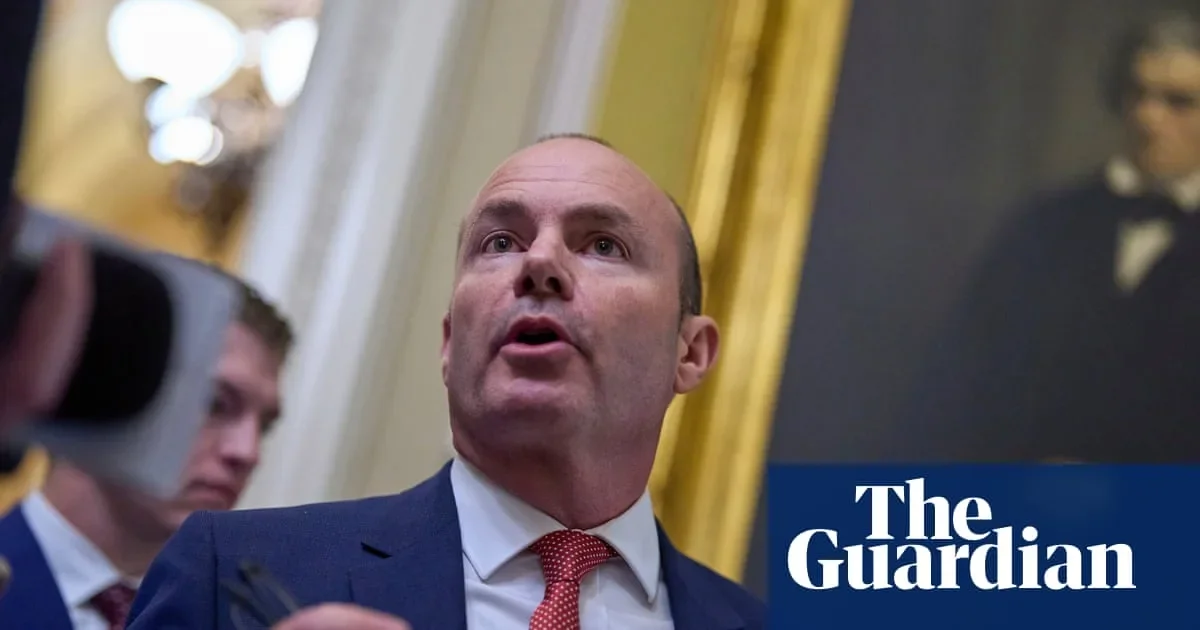
A bipartisan bill designed to prevent a US president, specifically Donald Trump, from unilaterally demolishing national memorials like the Kennedy Center without Congressional approval, has been blocked in the Senate. Republican Senator Mike Lee of Utah objected to the "Protecting Presidential Memorials Act" when Oregon Democrat Jeff Merkley sought its passage by unanimous consent. This legislative maneuver highlights the deep partisan divisions within American politics and the ongoing debate over the scope of executive power, particularly in anticipation of a potential return of Donald Trump to the White House.
This development is more than a domestic squabble over monuments; it carries broader implications for global stability and policy predictability. A future administration with a perceived willingness to bypass established legislative checks could introduce significant volatility into international relations. For countries like Iran, which have experienced the abrupt shifts in US policy under previous Trump administrations—such as the withdrawal from the JCPOA—this signals potential for renewed unpredictability, impacting everything from diplomatic engagements to economic sanctions and regional security dynamics. The inability to pass even a seemingly straightforward bill through bipartisan consensus underscores a fractured political landscape that could have far-reaching effects on global governance and trade.
Iran Assures Airspace Safety Amidst Resumption of Iraqi Flights
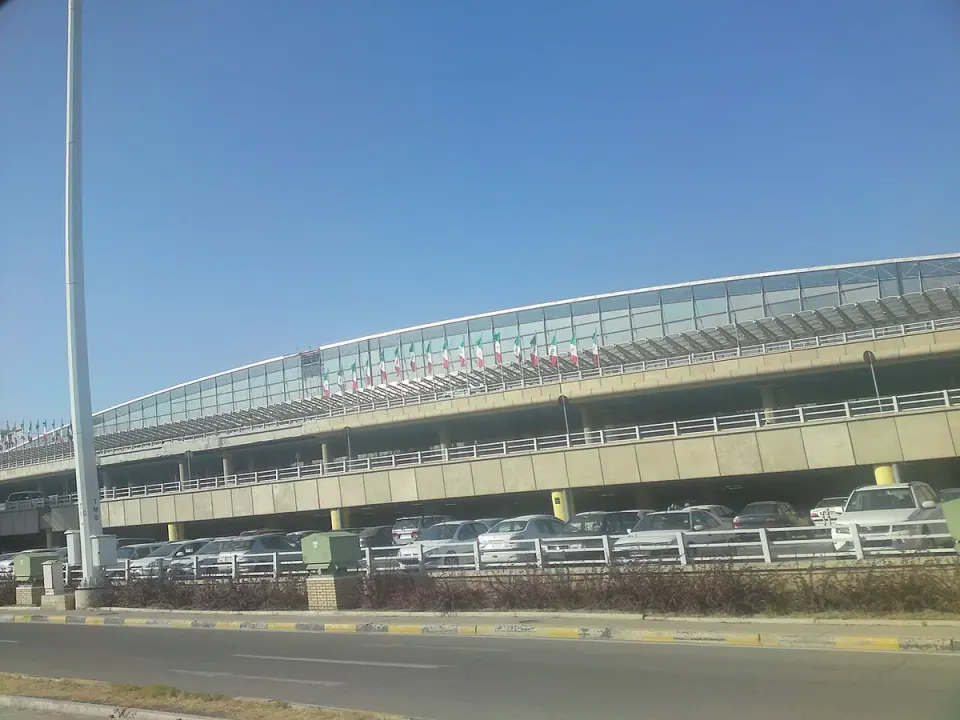
Iran's Deputy Minister of Roads and Urban Development and CEO of the Iran Airport and Air Navigation Company (IAC), Morteza Dehqan, has publicly affirmed the safety of Iranian airspace for all foreign and international flights. Dehqan emphasized that all international standards and regulations are fully observed, aiming to reassure airlines and passengers about the security of transit through Iran. This declaration comes at a crucial time, as regional air travel seeks stability and efficiency, and reflects an effort to maintain Iran's role as a key transit corridor in the Middle East.
Further bolstering regional connectivity, Iraqi Airways announced its preparations to resume round-trip flights to Iran in October. This move by Iraq's national carrier is a positive step for both countries, facilitating trade, tourism, and religious pilgrimages, particularly ahead of the Arbaeen season. The resumption of flights, coupled with Iran's assurances of airspace safety, suggests a concerted effort to normalize and enhance regional travel, potentially boosting economic activity and cultural exchange between Iran and its western neighbor. Such developments, while seemingly localized, contribute to a broader sense of regional stability and open avenues for increased commercial interaction.
Iran Talks Temper Oil Rally, Influencing Global Energy Markets
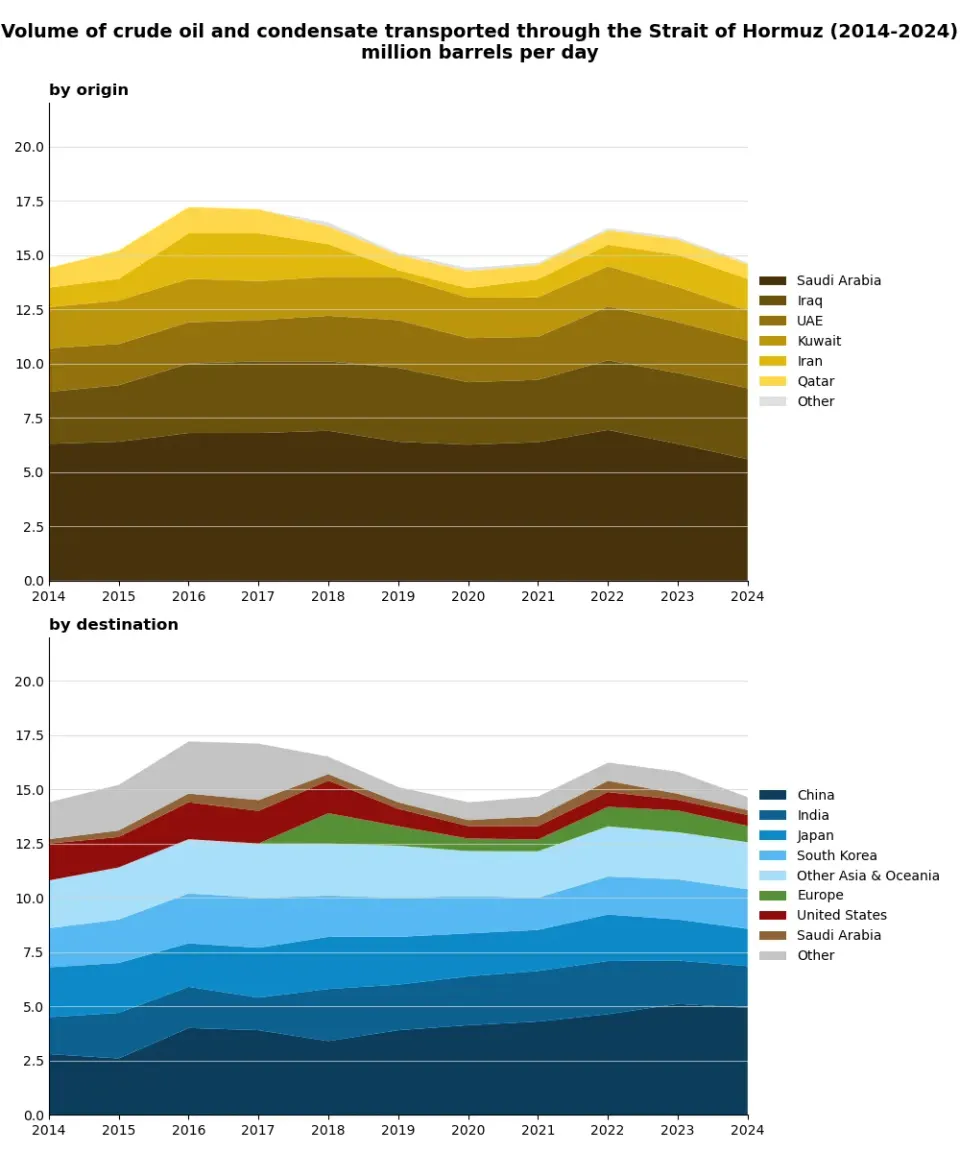
Renewed discussions involving Iran have contributed to an easing in global oil prices, taking some of the "heat" out of a recent rally. OilPrice.com reported that recovering Saudi exports, alongside the prospect of more Iranian supply entering the market if talks progress, are tempering supply fears that have driven prices upward. This development is significant for the global energy landscape, as any indication of increased supply from major producers like Iran can immediately impact market sentiment and price trajectories, affecting everything from gasoline prices to industrial costs worldwide.
For Iran, the implications are profound. A relaxation of oil-related sanctions or even the anticipation of it, could allow the country to significantly increase its oil exports, providing a much-needed boost to its economy. This potential influx of foreign currency would directly impact the Iranian Toman, which has seen considerable volatility. Today, the USD/IRR exchange rate moved from 245,000 to 253,800 (+3.6%), indicating continued pressure on the local currency despite the broader oil market trends. The interplay between geopolitical negotiations and market reactions remains a critical factor for Iran's economic stability.
Domestic Markets See Toman Weakness as Gold and Coins Rise; Bitcoin Holds Steady
Iranian domestic markets are currently reflecting a complex interplay of factors, with the Toman experiencing a notable depreciation against major foreign currencies. The US Dollar's sell rate moved from 245,000 to 253,800 Toman (+3.6%) over the past 24 hours, indicating a significant weakening of the national currency. This trend often reflects underlying economic pressures, inflation concerns, and a flight to perceived safer assets, even within the local market, as individuals seek to protect their purchasing power against depreciation.
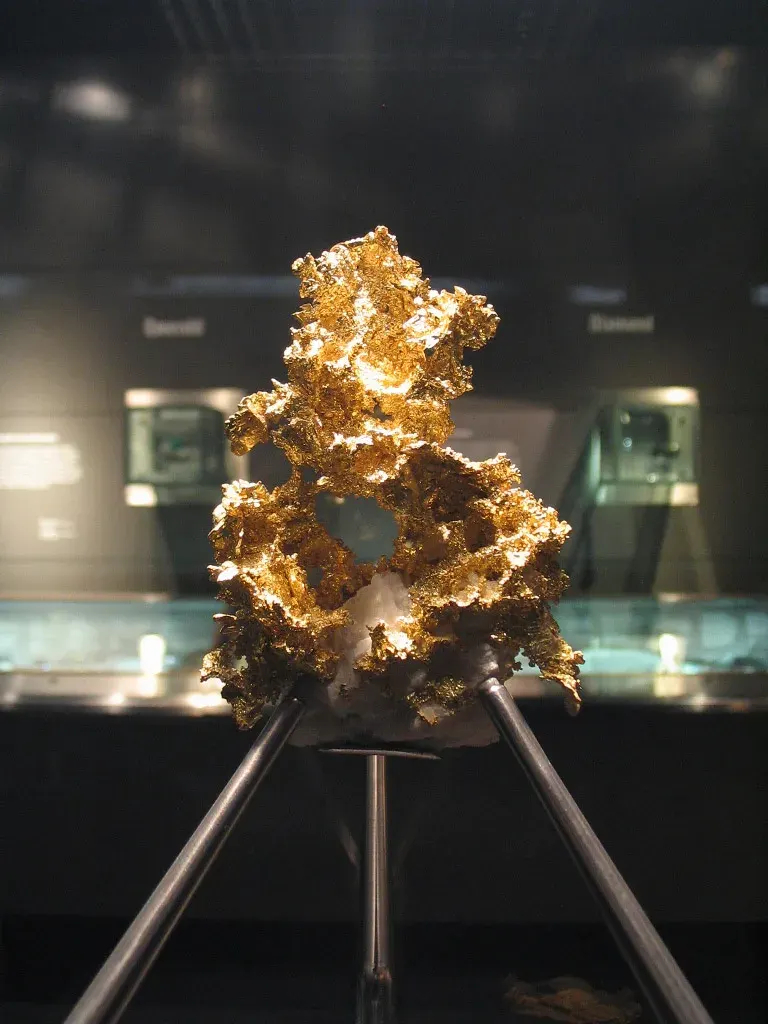
Mirroring this sentiment, both gold and Emami coins saw substantial gains. Gold 18k per gram increased from 24,424,026 to 25,093,494 Toman (+2.7%), while the Emami coin rose from 247,000,000 to 255,000,000 Toman (+3.2%). These increases underscore the enduring appeal of physical assets as a hedge against inflation and currency devaluation in Iran. Meanwhile, in the global crypto market, Bitcoin has been trading near $83,097 USD, showing relative stability despite broader market discussions about its long-term holder supply clusters. This steady performance continues to attract attention from investors globally, including those looking for alternative assets amidst traditional market uncertainties, with some expressing an "I'm never selling" mentality.
Frequently Asked Questions
What was the 'Protecting Presidential Memorials Act' and why was it blocked?
How do renewed Iran talks impact global oil prices and Iran's economy?
What is the current status of Iran's airspace safety and regional flights?
What were the key movements in Iran's domestic currency and precious metals markets today?
How does US domestic political instability, like the Kennedy Center bill, affect countries like Iran?
The Geopolitical Impact on Commodity Markets and Currency Values
Global events, particularly geopolitical developments, exert a profound and immediate influence on financial markets worldwide. The interconnectedness of nations means that political tensions, diplomatic breakthroughs, or regional conflicts can send ripples through commodity prices, currency valuations, and investor sentiment. The situation involving Iran, its airspace, ongoing talks, and the subsequent "easing rally" in oil prices, alongside Toman depreciation and gold price fluctuations, serves as a prime example of this intricate relationship.
One of the most direct manifestations of geopolitical risk is seen in commodity markets, especially oil. When instability arises in major oil-producing regions or along critical shipping lanes, markets anticipate potential supply disruptions. This uncertainty leads to a "geopolitical risk premium" being built into oil prices, causing them to rise. Conversely, as diplomatic efforts progress and tensions ease – such as with "Iran Talks" suggesting potential for increased oil supply or reduced conflict – this risk premium diminishes, often leading to a reduction in prices, as reflected by the "easing rally" mentioned in the headline.
Beyond commodities, geopolitical events significantly impact a nation's currency and the broader financial landscape. For instance, international sanctions or political isolation, often stemming from geopolitical disputes, can severely weaken a country's currency by hindering trade, investment, and access to global financial systems. The depreciation of the Iranian Toman is a direct consequence of such pressures. Furthermore, in times of global uncertainty, investors often flock to "safe-haven" assets like gold, driving its price up. As stability returns or perceived risks lessen, demand for these assets may decrease, affecting their value.
Ultimately, these dynamics underscore how political stability, international relations, and regional security are not abstract concepts but tangible economic forces. They dictate the cost of essential resources, influence a nation's purchasing power, and shape investment decisions across the globe. Understanding this interplay is crucial for comprehending global economic trends and anticipating market movements in an increasingly complex world.
Topics
Related Articles