US Execution Moratorium and Iran’s Oil Defiance Rattle Markets as Bitcoin Stabilizes at $83K
توقف اعدامها در آمریکا و ایستادگی نفتی ایران؛ بیتکوین در مرز ۸۳ هزار دلار آرام گرفت
Markets are reacting to a mix of US domestic policy shifts and Iran's defiant stance on oil exports. While Bitcoin holds steady despite inflationary concerns, a major $7 billion Oracle-Tencent deal signals a shift in the global AI chip landscape.
At time of publishing
USD
257,500
Toman
Gold 18K
25.62M
Toman / gram
Bitcoin
$83,744
US Dollar
Tether
256,504
Toman
Political Shifts in the US: Executions Halted Amid Campaign Tensions
In a significant move that has caught the attention of human rights observers and political analysts alike, Tennessee Governor Bill Lee has announced a total halt on executions for the remainder of the year. This decision comes after a second botched lethal injection attempt in 2026, where inmate Christa Pike survived two separate attempts to carry out the death penalty. The governor’s intervention highlights a growing crisis in the administration of capital punishment in the United States, as states struggle with both the ethics and the technical reliability of execution protocols.
Beyond the immediate legal implications, this story is unfolding against a backdrop of intense political maneuvering. Recent reports suggest that the Trump administration has shifted focus away from investigating foreign election interference, prioritizing instead claims of domestic voter fraud. Simultaneously, the political atmosphere is being charged by taxpayer-funded ads that explicitly reference military tensions with Iran. For global investors, this domestic volatility in the US often translates into a 'risk-off' sentiment, where uncertainty in the world's largest economy drives capital toward safer havens or highly liquid assets like Bitcoin, which currently maintains a strong position above $83,000.

Iran’s Defiant Oil Stance and Regional Security Operations
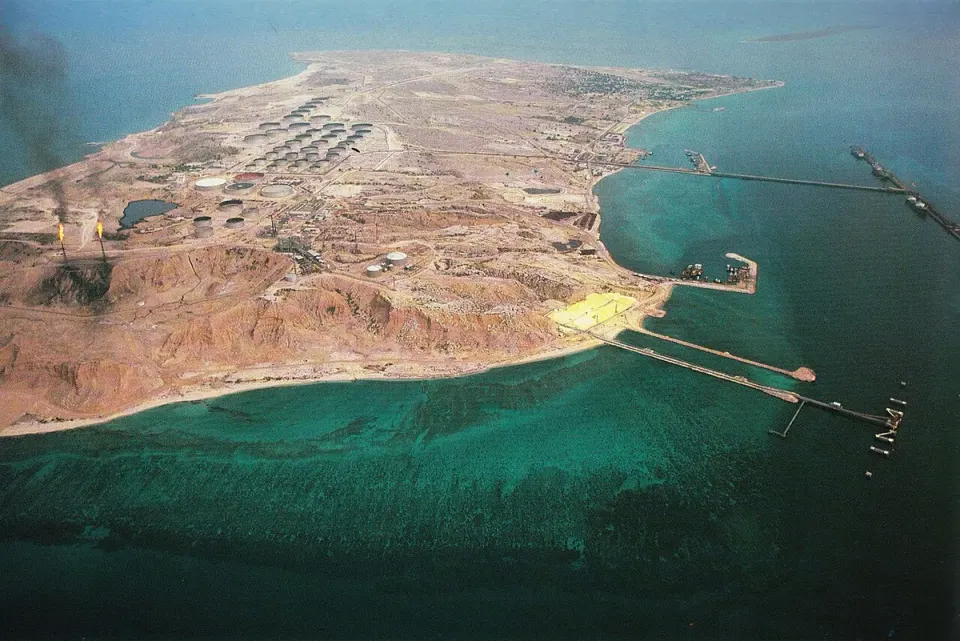
On the regional front, Iranian officials are doubling down on their rhetoric regarding energy exports and national sovereignty. Deputy Parliament Speaker Ali Nikzad stated today that the United States will never be able to successfully bring Iran’s oil exports to zero. This claim, reported by state-affiliated media, suggests a persistent confidence within the Iranian leadership that their bypass mechanisms and military capabilities are sufficient to withstand the current sanctions regime. Nikzad argued that Washington has fundamentally miscalculated the resilience of Iran’s trade networks, though independent analysts continue to monitor the actual volume of exports amidst tightening global enforcement.
Simultaneously, the Islamic Revolution Guards Corps (IRGC) has reported the dismantling of a 'terrorist team' in the southeastern province of Sistan and Baluchestan. This area has long been a flashpoint for cross-border tensions and internal security operations. The IRGC also framed the ongoing withdrawal of US forces from Iraq as a 'historic victory,' suggesting that the removal of foreign military presence is a prerequisite for regional stability. For the average Iranian citizen, these geopolitical maneuvers contribute to the ongoing volatility of the Rial, which has seen a slight depreciation today as the market weighs the risk of renewed regional friction.
Tech Giants Pivot: The $7 Billion AI Chip Breakthrough
In the technology and markets sector, a major development has emerged involving Oracle and the Chinese tech giant Tencent. The two companies have reportedly signed a $7 billion deal that spans five years, specifically designed to provide Tencent with access to high-end artificial intelligence chips that were previously restricted or unavailable in the region. This deal is seen as a significant relief for Oracle’s stock, which had been under pressure due to broader market shifts and regulatory concerns. It also signals a potential 'thaw' or a strategic workaround in the ongoing global chip war between the US and China.
This move by Oracle is particularly noteworthy because it demonstrates how major tech corporations are navigating the complex web of export controls to maintain their presence in the massive Chinese market. By providing the infrastructure for AI development, Oracle is positioning itself as a critical intermediary in the global tech race. For investors, this deal suggests that despite geopolitical rhetoric, the underlying economic ties between East and West remain robust, particularly in the high-stakes arena of artificial intelligence and cloud computing. This has provided a much-needed boost to tech-heavy indices during an otherwise uncertain trading session.

Market Update: Toman and Gold Trends
Turning to the local markets in Tehran, we are seeing a steady upward trend in the price of hard currency and precious metals. The US Dollar (USD) moved from 256,200 Toman to 257,500 Toman, marking a 0.5% increase over the last 24 hours. This modest rise reflects the continued sensitivity of the local market to international headlines and the perceived risk of further sanctions. The Euro and British Pound are also trading at elevated levels, with the EUR selling at 290,800 Toman and the GBP at 340,450 Toman, further straining the purchasing power of local consumers.
Gold prices are seeing even more pronounced movement. The price of 18k gold per gram rose from 25,393,600 Toman to 25,624,451 Toman, a 0.9% increase. Similarly, the Emami coin saw an 0.8% rise, moving from 259,000,000 Toman to 261,000,000 Toman. Gold typically acts as a hedge against inflation and currency devaluation in the Iranian economy, and today’s price action suggests that savers are once again seeking the safety of bullion as geopolitical rhetoric heats up. With global gold prices holding firm at over $4,171 per ounce, the domestic market is likely to remain under upward pressure in the coming days.
Frequently Asked Questions
چرا قیمت طلا در ایران بیش از دلار رشد کرده است؟
قرارداد اوراکل و تنسنت چه تأثیری بر بازار تکنولوژی دارد؟
علت توقف اعدامها در ایالت تنسی چیست؟
Understanding Economic Sanctions: Tools of Geopolitical Influence
Economic sanctions are punitive measures imposed by one country or a group of countries on another nation, or on specific individuals, entities, or sectors within it. They are typically employed as a foreign policy tool to achieve specific political or security objectives, such as compelling a target country to change its behavior, deterring aggression, preventing human rights abuses, or countering terrorism. Rather than direct military intervention, sanctions aim to exert pressure through economic means, disrupting trade, financial flows, and access to international markets.
These measures can take various forms, ranging from comprehensive trade embargoes that prohibit all commercial activity with a target country to more targeted "smart sanctions" that focus on specific industries, individuals, or financial transactions. Common types include restrictions on imports and exports (like oil embargoes), asset freezes on government officials or entities, travel bans, and limitations on access to international financial systems. For instance, sanctions against Iran's oil exports aim to reduce its revenue, thereby limiting its ability to fund certain activities or programs.
While the primary goal of sanctions is to pressure the targeted regime, their impact often extends far beyond. They can lead to significant economic hardship for the civilian population, potentially exacerbating poverty, inflation, and shortages of essential goods. Sanctions can also disrupt global supply chains, affecting commodity prices (such as oil), and encourage the development of alternative financial and trade networks outside the traditional international system. The effectiveness of sanctions is a subject of ongoing debate, with proponents arguing they are a necessary non-military tool, while critics highlight their humanitarian costs and potential for unintended consequences.
The complexities of implementing and enforcing sanctions are immense. They require international cooperation to be truly effective and often face challenges from countries or entities willing to circumvent them. Understanding economic sanctions is crucial for grasping geopolitical dynamics, as they represent a powerful, albeit controversial, instrument in international relations, shaping global trade, finance, and diplomatic strategies.