Netanyahu on the Brink: Israeli Elections and Mid-Air Drama Shake Regional Markets
لبه پرتگاه نتانیاهو؛ انتخابات اسرائیل و درام هوایی در مسیر بازارهای منطقه
As Israel nears a historic election that could end Netanyahu's era, a thwarted mid-air attack on a Tel Aviv-bound flight adds new layers of tension. Meanwhile, global oil prices have tumbled back to $97, offering a temporary breather for global inflation.
At time of publishing
USD
256,200
Toman
Gold 18K
25.34M
Toman / gram
Bitcoin
$84,254
US Dollar
Tether
253,908
Toman
Market Open — Thursday, October 1, 2026
The Tehran market opened this morning, پنجشنبه ۹ مهر ۱۴۰۵, with a sense of cautious stability despite the geopolitical fireworks overnight. The US Dollar (USD/IRR) is holding steady at 256,200 Toman, showing no movement over the last 24 hours. This flatline suggests that local traders are currently in a "wait-and-see" mode, balancing regional escalations against the cooling effect of lower global energy prices.
In the precious metals sector, Gold 18k/gram saw a slight dip, falling -0.2% to 25,335,888 Toman. This minor correction reflects a broader global trend where Bitcoin and gold are fighting against stubbornly high US Treasury yields. Speaking of crypto, Bitcoin (BTC) is trading at $84,254. While it briefly surged past the $85,000 mark following a cooler-than-expected PCE inflation report, those gains were quickly erased as bond yields refused to budge, keeping the pressure on non-yielding assets.
Netanyahu’s Future and the '9/11' That Wasn't
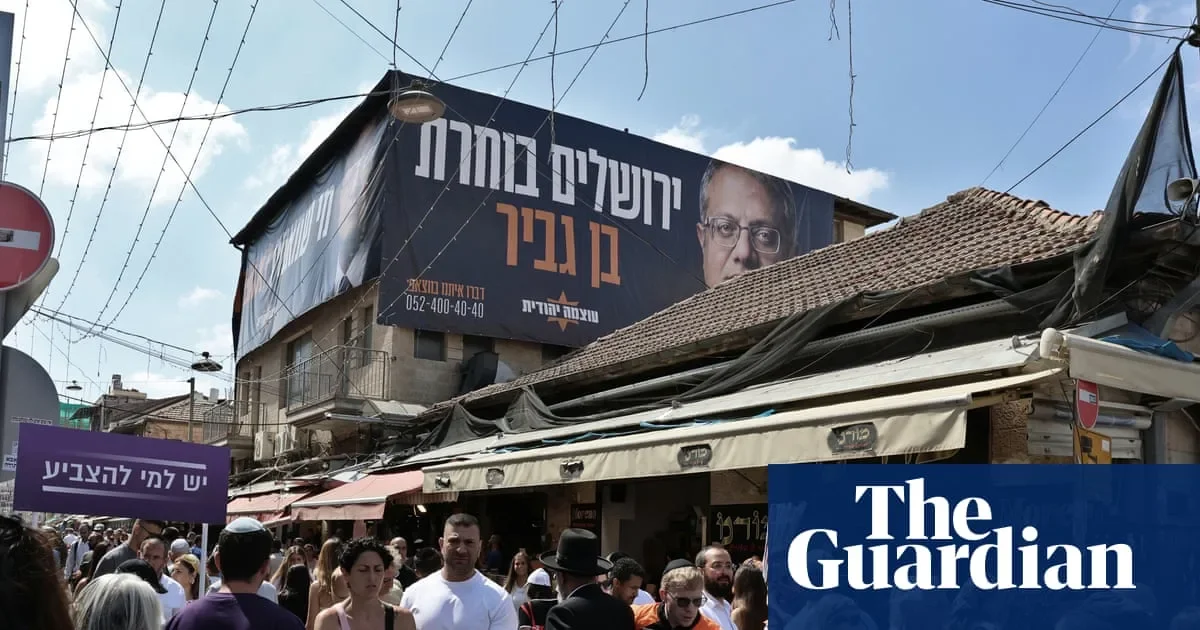
Israel is standing at a historical crossroads as it prepares for an election less than a month away that could finally end Benjamin Netanyahu’s long and controversial dominance. The streets of Jerusalem are currently a microcosm of a deeply divided nation, where secular Jews, ultra-Orthodox groups, and soldiers returning from the fronts in Gaza and Lebanon are weighing the cost of nearly three years of continuous conflict. For Iranian observers, this election is more than just a neighbor's domestic affair; it represents a potential shift in the regional "shadow war" and the future of diplomatic or military pressure on Tehran.
Adding fuel to this political fire was a dramatic incident aboard a flydubai flight bound for Tel Aviv. Reports indicate a pilot was allegedly stabbed by a co-pilot, an event that led to a frantic diversion and was described by some Israeli officials as a thwarted terror attack. While Netanyahu has cautioned against jumping to conclusions regarding Iranian involvement, the timing—so close to the election—has intensified the rhetoric. In a related development, Iran's Foreign Minister Abbas Araghchi has already moved to dismiss allegations from the UK regarding a separate incident at the RAF Fairford base, signaling that Tehran is bracing for a new wave of Western accusations.

Brent Tumbles to $96 as Gulf Oil Flows Stabilize
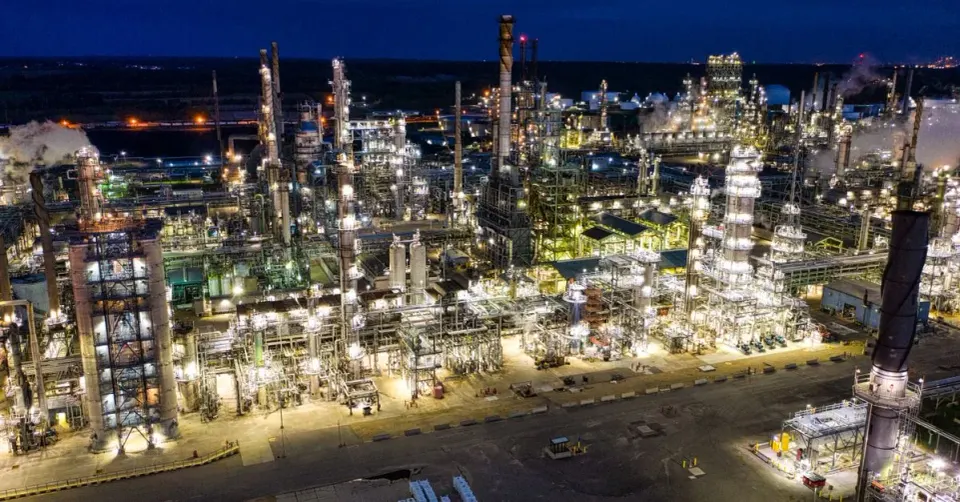
In a major relief for the global economy, Brent crude oil prices plummeted from over $103 to approximately $97.36 per barrel overnight. This sharp decline follows reports from major financial institutions like Goldman Sachs and JP Morgan, which indicate that oil flows out of the Persian Gulf have effectively returned to 80% of their pre-war levels. The market’s fear of a total supply cutoff has been replaced by the reality of a recovering supply chain, even as demand from China begins to pick up pace again.
For Iran, this price drop is a double-edged sword. While lower global energy prices might ease the inflationary pressure on imported goods, the "disappearing" nature of Iranian oil—as it competes with cheaper alternatives in the Chinese market—poses a significant challenge to the country's hard currency revenues. The narrowing gap between supply and demand means that any further disruption in the Strait of Hormuz would now have an even more outsized impact on global prices, a factor that remains a central pillar of regional leverage.
The AI Boom: Record Exports vs. Financial Stability Risks
The technology sector is sending mixed signals that could define the final quarter of 2026. On one hand, South Korea has reported a record-breaking export high of $120 billion, driven almost entirely by an 83.5% jump in semiconductor demand for AI applications. This "AI gold rush" is providing a massive cushion for Asian economies. However, central banks are starting to sound the alarm. The Reserve Bank of Australia and the Bank of England have both issued warnings this morning about the potential for a "major global financial shock" if the AI investment bubble were to suddenly burst.
These warnings suggest that the massive waves of capital currently being poured into artificial intelligence are creating a concentration of risk. If the expected productivity gains from AI do not materialize quickly enough to justify current valuations, the resulting market correction could be severe. For the average investor, this highlights the growing disconnect between the booming tech sector and the fragile stability of the broader global financial system, which remains sensitive to high interest rates and geopolitical shocks.
Frequently Asked Questions
چرا قیمت نفت ناگهان به زیر ۱۰۰ دلار سقوط کرد؟
آیا حادثه هواپیمای فلایدبی به ایران مرتبط است؟
چرا بیتکوین نتوانست بالای ۸۵ هزار دلار بماند؟
Political Risk Premium: How Elections and Geopolitics Move Markets
Political risk premium is the extra return investors demand for holding assets that could be affected by government actions, elections, wars, or diplomatic tensions. When a high‑profile election such as Israel’s 2026 vote approaches, or when a sudden geopolitical event like the Brent oil price crash occurs, market participants reassess the likelihood of policy shifts, trade disruptions, or even outright conflict. That reassessment shows up as higher yields on sovereign bonds, wider spreads on corporate debt, and sharper moves in commodity prices, all reflecting the added uncertainty.
The mechanism works through both expectations and hedging behavior. Analysts forecast how a new government might change fiscal policy, energy regulation, or foreign‑policy stances toward neighbors such as Iran. If the outlook is more volatile, investors price in a larger “risk premium” to compensate for potential losses. At the same time, traders may buy safe‑haven assets like gold or the U.S. dollar, or they might short currencies that could depreciate under a less stable regime. The net effect is a measurable bump in the cost of capital for firms operating in the region.
Understanding the political risk premium helps explain why seemingly unrelated events—like a flydubai flight incident or an AI market bubble warning—can ripple through regional markets. Each incident adds a layer of uncertainty, prompting investors to demand higher compensation for bearing that risk. By tracking the premium through bond yields, credit default swap (CDS) spreads, and commodity price volatility, analysts can gauge the market’s appetite for risk and anticipate potential capital flows.
For long‑term investors, recognizing the political risk premium is crucial for portfolio diversification. Assets that are less sensitive to domestic politics, such as globally diversified equities or commodities with broad supply bases, can offset the heightened volatility in a single country’s market. Conversely, ignoring the premium may lead to unexpected losses when political shocks materialize.
In practice, the premium is not static; it ebbs and flows with news cycles, election calendars, and geopolitical flashpoints. Monitoring reputable sources, staying aware of policy debates, and using quantitative tools to measure spread changes are essential steps for anyone looking to navigate markets shaped by politics.