
US Bond Yields Hit 24-Year High Amid Iran Conflict as Hormuz Shipping Risks Escalate
جهش بازدهی اوراق قرضه آمریکا به سقف ۲۴ ساله؛ سایه تنشهای هرمز بر بازارهای جهانی
US Treasury yields have surged to levels not seen since 2002, driven by regional instability and mounting sovereign debt. Meanwhile, Indian refiners scramble for tankers in the Strait of Hormuz as the investigation into the FlyDubai flight attack intensifies.
At time of publishing
USD
258,300
Toman
Gold 18K
25.67M
Toman / gram
Bitcoin
$83,631
US Dollar
Tether
258,227.418
Toman
The 24-Year Peak: US Bond Yields and the Iran Factor
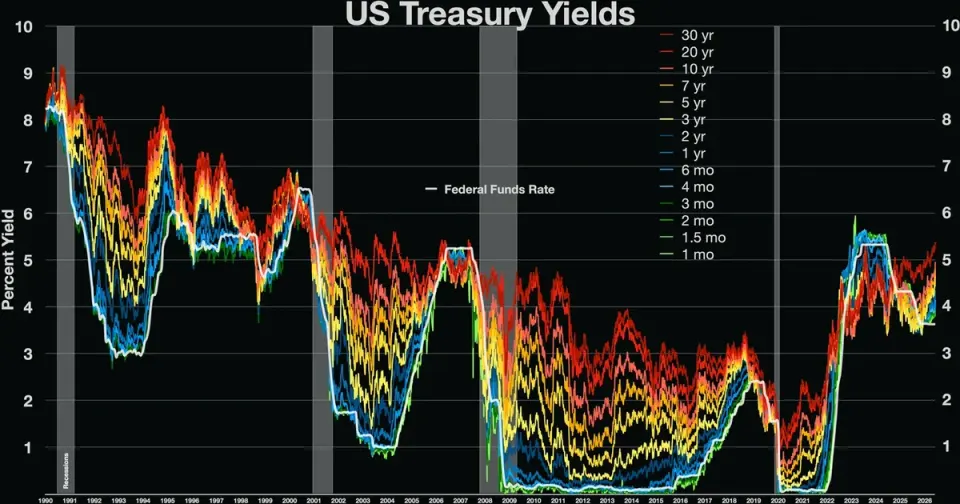
In a historic shift for global fixed-income markets, U.S. Treasury yields have surged to their highest levels since 2002. This aggressive move is being fueled by a volatile cocktail of escalating conflict involving Iran and the persistent weight of high government debt. Investors are increasingly demanding higher returns to compensate for the perceived risks of long-term instability, a trend that suggests the current high-interest-rate environment is unlikely to dissipate anytime soon. The ripple effects are being felt across all asset classes, as higher yields typically bolster the U.S. Dollar, creating significant downward pressure on emerging market currencies and commodities.
For the Iranian market, this global shift translates into a stronger greenback. Today, the USD sell rate in Tehran moved from 256,200 to 258,300 Toman, marking a 0.8% increase within a single day. When U.S. yields rise, capital tends to flow back toward the safety of the dollar, making it more expensive for local traders to hedge against inflation. This macro-economic pressure, combined with regional military tensions, has also pushed Gold 18k prices up by 1.1%, reaching 25,670,621 Toman per gram, as domestic investors flee to the traditional safety of bullion.
Regional Volatility: The FlyDubai Probe and Hormuz Transit
Security concerns in the Persian Gulf have reached a fever pitch following the recent attack on a FlyDubai flight bound for Tel Aviv. Investigators are currently seeking a definitive motive, with UAE authorities leading the probe into potential links to organized terrorism. Israeli Prime Minister Benjamin Netanyahu has characterized the incident as an attempted mass-casualty event driven by radical indoctrination. While the aircraft landed safely in Saudi Arabia, the psychological impact on regional aviation and diplomatic relations remains profound, highlighting the extreme fragility of the current geopolitical landscape.
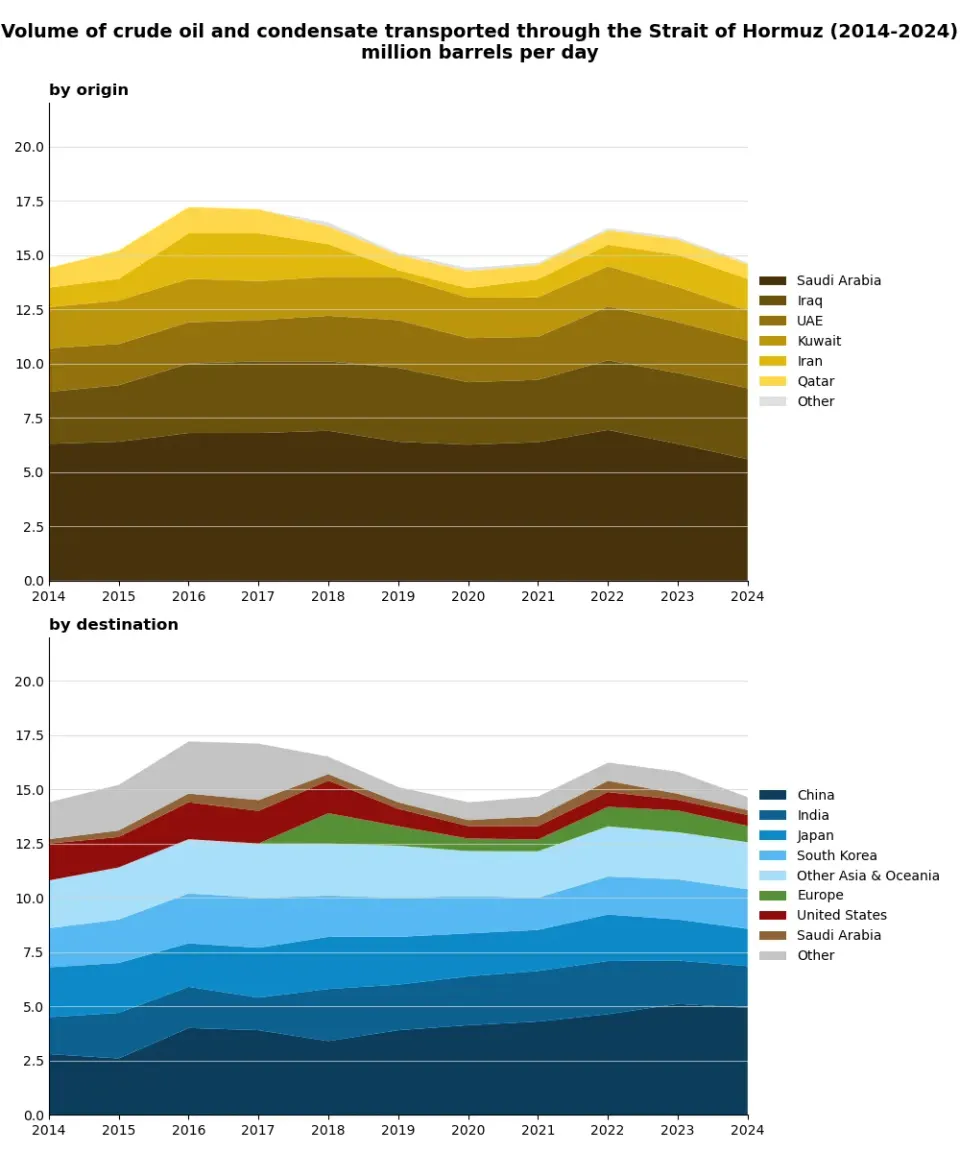
This instability is directly impacting the energy sector, specifically the critical transit route of the Strait of Hormuz. Indian refining companies are reportedly scouting for new tankers to move crude out of the Gulf, despite the heightened risk of maritime strikes. This move comes after a series of attacks on tankers in the Strait, which has seen insurance premiums skyrocket. For Iran, any disruption in this corridor is a double-edged sword; while it can drive global oil prices higher, it also complicates the logistics of its own exports and invites increased international naval presence in its backyard.
Diplomatic Breakthrough: The Release of Jagtar Singh Johal
On the diplomatic front, a major development occurred today with the release of British Sikh activist Jagtar Singh Johal from a Delhi prison. Johal had been detained for nine years without a full trial, a case that has long been a thorn in the side of UK-India relations. The release follows a stern warning from the Indian High Court, which threatened the government with contempt of court if they failed to honor an earlier bail order. Johal’s lawyers had filed a writ of habeas corpus, alleging that his continued detention was a direct violation of judicial directives.
This case serves as a poignant reminder of the complexities of international law and the treatment of political prisoners, themes that resonate deeply within the Iranian context. As global powers navigate internal legal pressures and external diplomatic requirements, the resolution of such long-standing cases often signals a tactical shift in government priorities. While Johal's release is a victory for human rights advocates, the broader geopolitical tensions in the region continue to dictate the pace of market movements and currency valuations in the Middle East.

Frequently Asked Questions
چرا بازدهی اوراق قرضه آمریکا بر قیمت دلار در ایران تأثیر میگذارد؟
ماجرای حمله به پرواز فلایدوبی چیست؟
چرا پالایشگاههای هند به دنبال نفتکشهای جدید در تنگه هرمز هستند؟
Geopolitical Risk Premium in Sovereign Bond Markets
When investors buy government bonds, they expect a return that compensates not only for the time value of money but also for the risk of holding that debt. Geopolitical risk premium is the extra yield demanded to offset uncertainties arising from wars, sanctions, territorial disputes, or other political shocks that could affect a country's ability to service its debt or disrupt global markets. In times of heightened tension—such as the recent escalation around the Strait of Hormuz—investors scramble for safety, pushing the price of U.S. Treasuries down and their yields up, even though the United States itself is not directly involved in the conflict.
The premium is not a fixed number; it fluctuates with the perceived severity and proximity of the threat. For example, a flare‑up in the Hormuz Strait can threaten the flow of roughly 20% of the world’s oil, raising fears of a global energy crunch. Those fears spill over into broader financial markets, prompting a flight‑to‑quality where investors sell riskier assets and buy “safe‑haven” bonds. The resulting surge in demand for Treasuries drives their prices higher and yields lower, but if the market expects the conflict to broaden, the opposite can happen: investors demand higher yields on all sovereign debt, including U.S. bonds, to compensate for the systemic risk.
Understanding the geopolitical risk premium helps explain why U.S. bond yields can climb to multi‑decade highs even when domestic fundamentals look solid. It also clarifies why currencies like the Iranian rial (IRR) may depreciate sharply against the dollar, and why commodities such as gold—traditionally a hedge against uncertainty—rise in price in markets like Tehran. The premium essentially quantifies the cost of uncertainty, turning abstract geopolitical events into measurable impacts on interest rates, exchange rates, and commodity prices.
For policymakers and investors alike, monitoring geopolitical risk is as crucial as tracking inflation or employment data. Tools such as the Geopolitical Risk Index (GPR) aggregate news mentions of conflict to provide a real‑time gauge of market sentiment. When the index spikes, bond markets often react first, making the risk premium a leading indicator of broader financial turbulence.