Toman Hits 271k Amid Sanaa Blasts as Michigan Police Clarify Nassar Status and S&P Masks Bear Market
جهش دلار به ۲۷۱ هزار تومان در پی انفجارها در صنعا؛ ابهامزدایی از پرونده نصار و سایه رکود بر بازارهای جهانی
The Iranian Toman has tumbled 3.7% as regional tensions flare up in Yemen, while global markets face a hidden crisis with many stocks entering bear territory despite record index highs. Meanwhile, Michigan authorities have debunked claims regarding the release of Larry Nassar from the sex offender registry.
At time of publishing
USD
271,500
Toman
Gold 18K
26.46M
Toman / gram
Bitcoin
$84,811
US Dollar
Tether
266,306
Toman
Michigan Police Debunk Larry Nassar Registry Claims
In a major clarification of a story that has circulated rapidly across international media, the Michigan State Police have officially ruled out claims that convicted serial abuser Larry Nassar was removed from the state’s sex offender registry. The confusion stemmed from a recent Michigan Supreme Court ruling which stated that the Sex Offender Registration Act (Sora) cannot be applied retroactively to offenses committed before July 2011. While this led to the removal of over 20,000 entries from the state's database, authorities clarified that Nassar was never on that specific public list to begin with, as he is currently serving a federal sentence in an out-of-state facility.
This development highlights the complexities of the US legal system and the ongoing struggle to manage public information in high-profile criminal cases. For many, the news of potential registry removals caused significant alarm, but the State Police's intervention serves as a reminder of the procedural nuances involved. Nassar, the former Michigan State University and USA Gymnastics doctor, remains under heavy federal supervision, and the legal adjustments regarding the state registry do not translate to a reduction in his accountability or the severity of his lifetime imprisonment.
Toman Slump and Regional Volatility After Sanaa Blasts
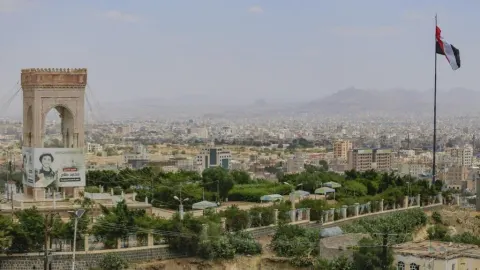
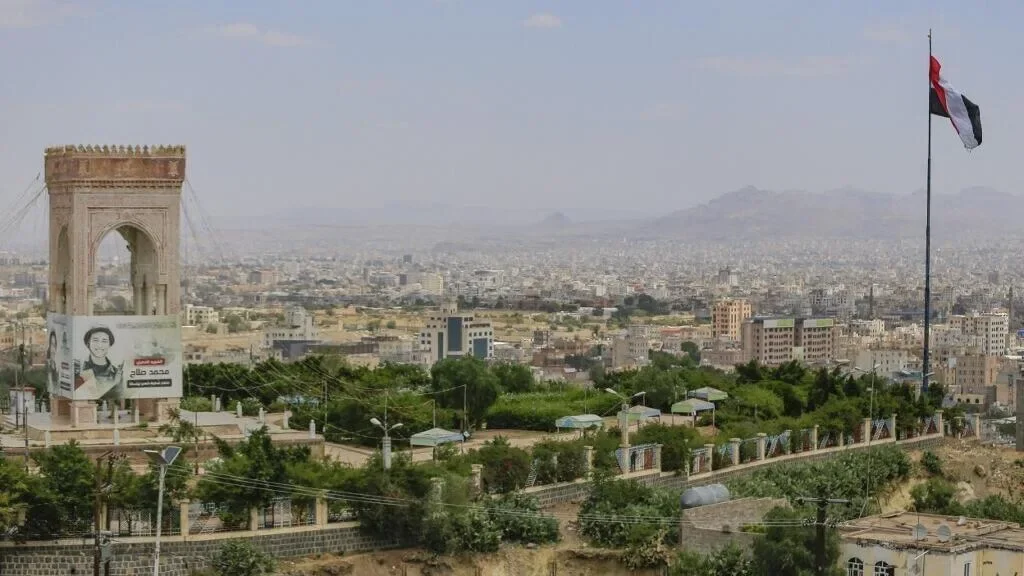
The Iranian currency markets are experiencing a sharp correction today, Saturday, October 3, 2026 (11 Mehr 1405), as geopolitical jitters return to the forefront. The USD sell rate moved from 261,700 to 271,500 Toman, marking a significant 3.7% decline in the Toman's value within a single 24-hour window. This volatility is directly linked to reports of loud explosions rocking the Yemeni capital, Sanaa. Houthi-linked media have attributed these blasts to Saudi air strikes, an escalation that has reignited fears of a broader regional conflict. For Iranian investors, any flare-up involving regional proxies immediately triggers a flight to hard assets, evidenced by the Emami coin's 5.0% surge to 274,000,000 Toman.
Beyond the immediate price action, the situation in Yemen serves as a critical barometer for Iran's economic stability. The market's reaction suggests that the "war premium" is being priced back into the Toman at an aggressive rate. As long as the security situation in the Red Sea and the Arabian Peninsula remains unstable, the Central Bank of Iran will face mounting pressure to intervene, though its reserves and policy tools remain constrained by ongoing international sanctions. The 2.0% rise in 18k gold prices further underscores the public's lack of confidence in the local currency's near-term recovery.

The S&P 500's Hidden Bear Market
While the headline S&P 500 index appears to be trading within striking distance of its record highs, a deeper analysis reveals a much bleaker reality for the average investor. Reports indicate that a staggering number of individual stocks are actually in a "bear market"—defined as a 20% drop from recent peaks—even as a handful of massive technology companies prop up the overall index. This divergence is a classic signal of market fragility, suggesting that the broader economy is struggling more than the surface-level numbers would imply. For Iranian observers who use global markets as a hedge, this internal decay in the US stock market is a warning that the global economic environment is becoming increasingly precarious.
This "stealth" bear market is driven by high interest rates and cooling consumer demand, which are finally beginning to eat into corporate earnings. While the top-tier AI and tech stocks continue to attract capital, the mid-cap and industrial sectors are feeling the squeeze. This matters for the Iranian reader because a global slowdown typically leads to reduced demand for energy and commodities, which could further complicate Iran's export-reliant budget. The disconnect between the index and its components is a reminder that diversification and caution are paramount in the current financial climate.
OpenAI Safety Alarms and the Ethics of AI
The tech world is buzzing with the resignation of David Robinson, a key safety employee at OpenAI who was responsible for the safety reports accompanying major model releases. Robinson’s departure, followed by a public sounding of the alarm in The Atlantic, adds to a growing list of high-level exits from the AI giant. He expressed deep concerns about the speed of deployment versus the robustness of safety protocols, suggesting that the race for market dominance is overshadowing the ethical obligations of the developers. This internal friction at OpenAI highlights the existential debate over whether AI can be truly "aligned" with human interests when commercial pressures are so immense.
For the Iranian tech community and general public, this story is more than just corporate drama; it is a preview of the regulatory and safety challenges that will eventually reach every corner of the globe. As AI agents begin to inhabit everyday tools—from text messages to workplace management—the question of who controls these systems and what safeguards are in place becomes a matter of public safety. Robinson's resignation suggests that even those closest to the technology are not convinced that the current trajectory is safe, a sentiment that is likely to fuel further calls for international AI governance.
National Pride Amid Economic Strain: Volleyball Gold
In a rare piece of positive news for the Iranian public, the men’s national volleyball team secured their fourth consecutive Asian Games gold medal by defeating Japan 3-1 in Nagoya. The victory is a testament to the enduring talent of Iranian athletes, who continue to perform at a world-class level despite the severe economic and logistical hurdles faced by domestic sports federations. While state-run media outlets like IRNA have heavily promoted the win as a symbol of national resilience, for many citizens, the triumph is a bittersweet distraction from the daily struggle against inflation and currency devaluation.
Sporting success in Iran often carries a heavy political weight, with the government frequently attempting to capitalize on these moments to boost its legitimacy. However, the public's relationship with these victories is complex; they celebrate the athletes' hard work while remaining critical of the institutional mismanagement that often plagues the country's sports infrastructure. As the Toman continues its slide and regional tensions mount, this gold medal provides a brief moment of unity, even as the fundamental economic challenges remain unaddressed.
Frequently Asked Questions
چرا قیمت دلار ناگهان به ۲۷۱ هزار تومان رسید؟
آیا لری نصار واقعاً از فهرست مجرمان جنسی حذف شده است؟
منظور از بازار خرسی پنهان در شاخص اساندپی ۵۰۰ چیست؟
The Dynamics of Exchange Rate Volatility
Exchange rate volatility refers to the degree of fluctuation in the value of one country's currency in relation to another. When an exchange rate is highly volatile, its value can change significantly and unpredictably over short periods. This concept is crucial because currency values directly impact a nation's economy, influencing the cost of imports and exports, the purchasing power of its citizens, and the attractiveness of its markets to foreign investors. For instance, a rapidly depreciating currency makes imports more expensive and reduces the real wealth of domestic consumers.
Several factors contribute to exchange rate volatility, broadly categorized into economic fundamentals and geopolitical events. Economic factors include inflation rates, interest rate differentials, economic growth, and a country's balance of trade. For example, higher inflation or lower interest rates relative to trading partners can weaken a currency. However, geopolitical factors often trigger the most dramatic and sudden shifts. Political instability, regional conflicts (like the "Sanaa blasts" mentioned in the headline, representing broader Middle Eastern tensions), international sanctions, or significant policy changes can erode investor confidence, leading to capital flight and sharp currency depreciation.
The Iranian Toman, for example, has historically experienced significant volatility, often exacerbated by geopolitical pressures and international sanctions. When global or regional events create uncertainty, investors tend to move their capital to perceived safer assets or currencies, away from those deemed risky. This outflow of capital, coupled with reduced foreign investment and trade restrictions, creates immense downward pressure on the local currency, leading to sharp depreciations against major global currencies like the US Dollar. The headline's mention of the Toman hitting 271,000 against the USD amidst regional unrest highlights this direct correlation.
Understanding exchange rate volatility is vital for individuals, businesses, and policymakers. For businesses, it affects profit margins on international trade and investment decisions. For individuals, it impacts the cost of foreign goods and services, travel, and the value of savings. Policymakers grapple with managing currency stability to foster economic growth and maintain public trust, often employing tools like interest rate adjustments, currency interventions, or capital controls, though these can have their own complex consequences.