Aramco Facility Ablaze Amid Sanaa Strikes as Toman Plunges 3% on Regional Escalation
آتشسوزی در تأسیسات آرامکو همزمان با انفجارهای صنعا؛ جهش ۳ درصدی دلار در بازار تهران
Loud explosions in Sanaa and a fire at a Saudi Aramco facility have sent the Iranian Toman tumbling, with the dollar hitting 269,500. Meanwhile, a mid-air crisis on a FlyDubai flight and Iran's pivot toward space technology highlight a region on edge.
At time of publishing
USD
269,500
Toman
Gold 18K
26.29M
Toman / gram
Bitcoin
$84,791
US Dollar
Tether
266,352
Toman
War Risk Premium Returns to Tehran Markets
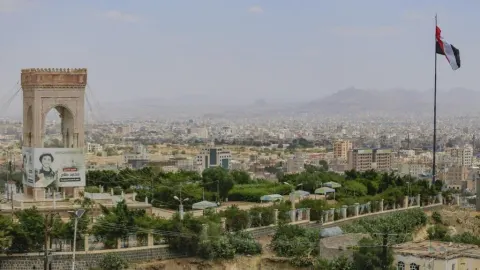
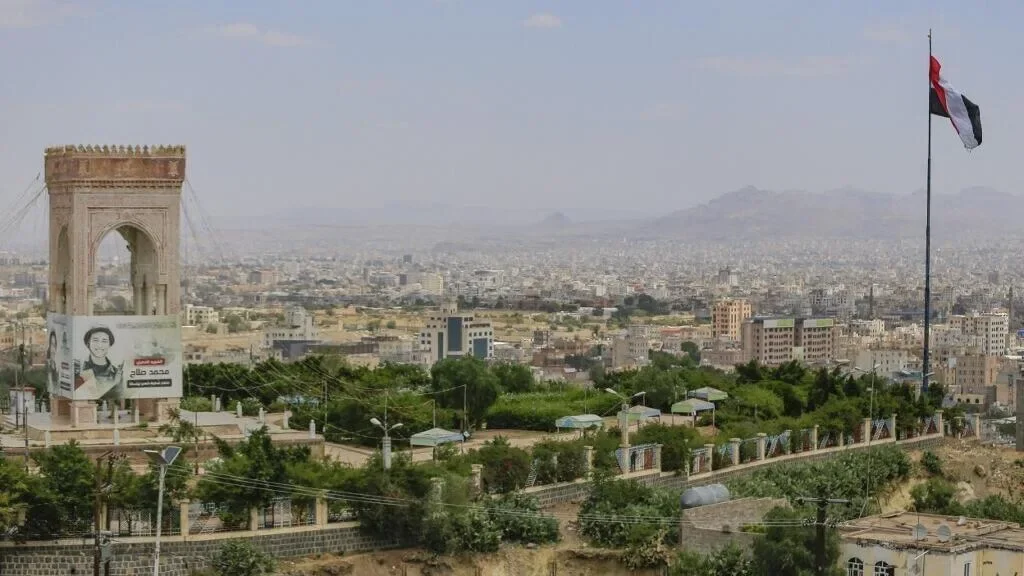
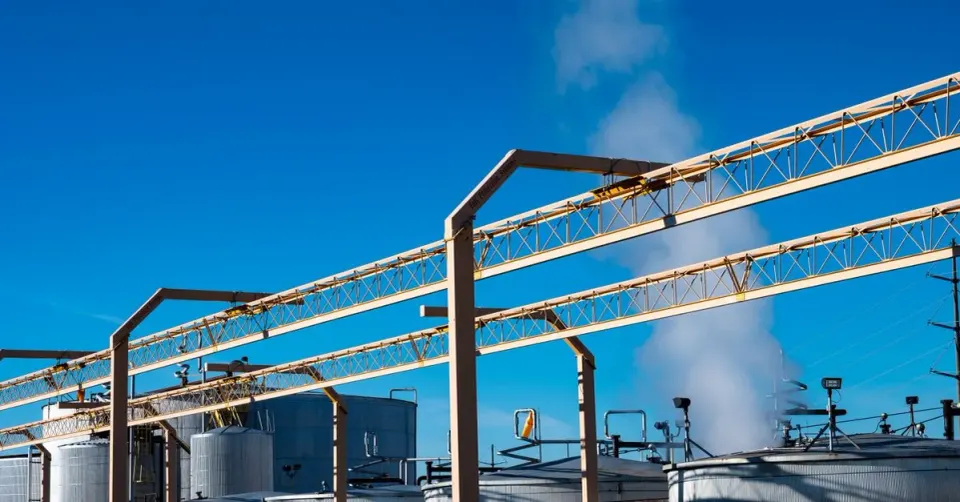
The geopolitical temperature in the Middle East spiked sharply this Saturday, October 3, 2026, following reports of heavy strikes in the Yemeni capital. Houthi rebels have accused Saudi forces of launching 26 separate strikes on Sanaa, an escalation that was almost immediately felt in the energy and currency markets. In a parallel development that rattled regional observers, a massive plume of black smoke was seen rising from a Saudi Aramco facility south of Riyadh. While the exact cause of the Aramco fire remains under investigation, the timing—coinciding with the Sanaa blasts—has led traders to price in a significant 'war risk premium.'
In Tehran, the reaction was swift and punishing for the local currency. The USD sell rate jumped from 261,700 to 269,500 Toman, marking a 3.0% depreciation in just 24 hours. The gold market saw even more aggressive movement as investors sought safe-haven assets; the Emami coin surged by 5.0%, moving from 261,000,000 to 274,000,000 Toman. This volatility reflects a deep-seated anxiety among Iranian households and businesses that any renewed kinetic conflict between Riyadh and the Iran-backed Houthi movement could lead to further economic isolation or regional instability.
Mid-Air Terror and Regional Security Jitters
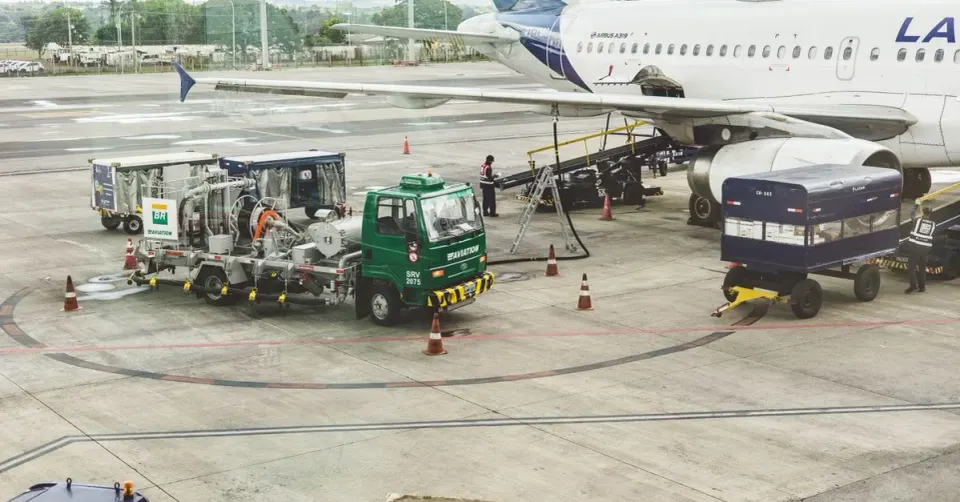
Adding to the sense of regional chaos, details have emerged regarding a harrowing security incident aboard a FlyDubai flight. A pilot was reportedly stabbed during the flight, a crisis that was only averted through the quick thinking of the crew and a group of passengers who managed to overwhelm the attacker. This incident, while appearing isolated from the state-level conflict in Yemen, contributes to a broader atmosphere of insecurity that has plagued regional aviation. For the Iranian traveler and the wider business community, such events often lead to increased scrutiny, flight cancellations, and rising insurance costs for regional transit.
Beyond the immediate drama in the cockpit, the event underscores the fragile nature of regional connectivity. As the Middle East grapples with high-stakes military maneuvers, the safety of civilian infrastructure—from oil refineries to commercial flight paths—is increasingly being called into question. The fact that passengers had to intervene to prevent a total disaster on a major regional carrier like FlyDubai serves as a grim reminder of how quickly tactical security failures can escalate into international tragedies.
Iran Eyes the High Ground in Space Competition
While the region burns on the ground, the Iranian Ministry of Defense is increasingly looking toward the stars. In a statement released today via state media, the Ministry emphasized that space and emerging technologies will be the primary drivers of national power in the coming years. Officials claimed that the era of traditional military dominance is evolving into a technological race where satellite capabilities and space-based logistics will determine a nation's standing. This pivot suggests that despite the immediate economic pressures of the Toman's slide, the military establishment remains focused on long-term strategic depth.
However, this focus on high-tech 'future power' stands in stark contrast to the immediate reality of many Iranians. As the Ministry talks about space-based drivers of power, the average citizen is watching their purchasing power evaporate at a rate of 3% per day. The disconnect between the government's grand strategic ambitions and the domestic economic crisis remains a central theme of the current administration. Critics argue that while space technology is a legitimate pursuit for any modern state, the timing of these announcements often serves as a rhetorical distraction from the pressing failures of the domestic economy and the volatility of the national currency.
Crypto Markets and the 'Never Sell' Mentality
In the global markets, Bitcoin continues to trade at a robust $84,791, fueled by a retail sentiment that appears increasingly detached from traditional macro fears. A growing number of investors are adopting a 'never sell' philosophy, treating Bitcoin as a permanent store of value rather than a speculative asset. This trend is particularly relevant for Iranian crypto users, who have long used USDT and BTC as a hedge against the Toman's perpetual devaluation. With the Toman losing 3% today, the domestic price of USDT has hit 266,352 Toman, providing a stark incentive for locals to keep their capital in digital assets.
As AI agents begin to play a larger role in financial commerce, as noted by industry leaders like Cathie Wood, the infrastructure of money is changing. For Iranians, this isn't just a tech trend; it is a survival mechanism. When the traditional banking system is blocked by sanctions and the local currency is battered by regional strikes, the ability to move value through decentralized networks becomes the difference between financial ruin and stability. The 'never sell' mantra might seem like hyperbole in the West, but in a market where the local coin is up 5% in a single day due to fear, holding onto hard assets is the only logical move left.
Frequently Asked Questions
Why did the price of the Emami coin jump 5% in one day?
What happened on the FlyDubai flight mentioned in the news?
How is the Iranian Ministry of Defense planning for the future?
Geopolitical Risk and Currency Devaluation
Geopolitical risk refers to the uncertainty and instability arising from international relations, conflicts, or political events that can significantly impact global markets and economies. These risks, such as regional escalations, military conflicts, or major political shifts, create an environment of unpredictability that makes investors cautious and often leads to a flight to safety. When geopolitical tensions rise, the perceived risk associated with investing in a particular country or region increases dramatically.
One of the most immediate and visible impacts of heightened geopolitical risk is on a nation's currency. As investors become wary of potential instability, they tend to sell off assets denominated in the local currency and move their capital into what are considered safer havens, such as the US dollar, gold, or more stable economies. This increased selling pressure on the local currency, as seen with the Iranian Toman in the headline, directly drives down its value relative to other currencies. This phenomenon is known as currency devaluation or depreciation.
The mechanisms behind this devaluation are multifaceted. Capital flight, where domestic and foreign investors withdraw funds from the country, reduces demand for the local currency. Reduced foreign direct investment (FDI) further deprives the economy of crucial capital inflows. Additionally, geopolitical conflicts can disrupt trade routes, increase insurance costs for shipping, and create supply chain bottlenecks, all of which negatively impact a country's economic outlook and investor confidence. For import-dependent nations, a devalued currency means higher costs for essential goods, fueling inflation and eroding purchasing power.
Ultimately, the plunge in the Toman's value amidst regional escalation, as highlighted in the news, serves as a stark example of how geopolitical events can translate directly into economic instability. Understanding this link is crucial for comprehending global financial dynamics and the vulnerabilities of economies caught in the crosscurrents of international politics.
Topics
Related Articles