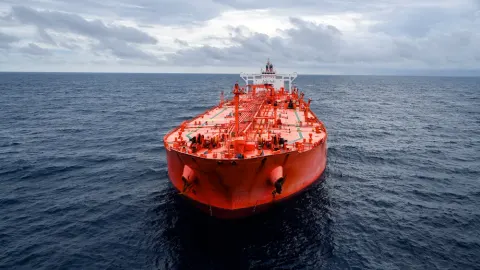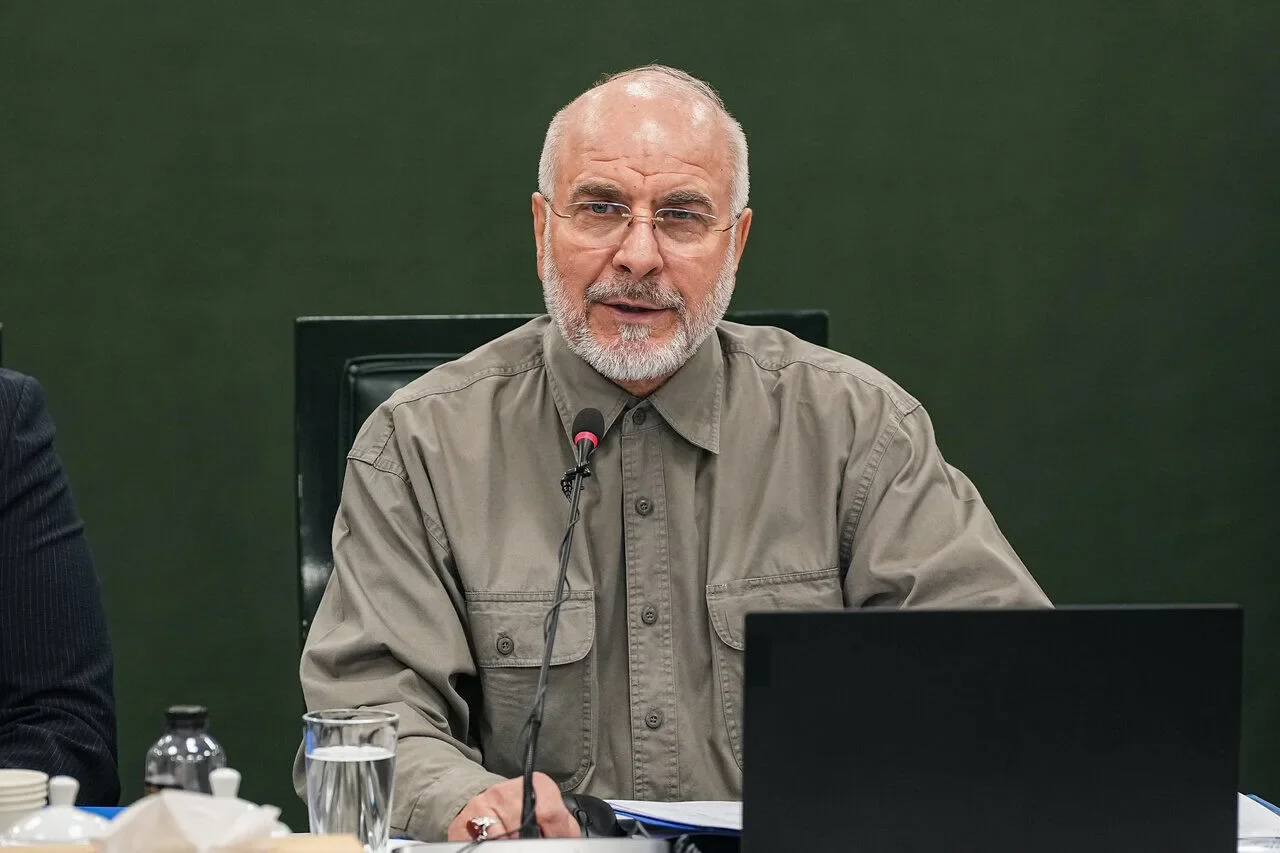
Hormuz Blockade Hardens: Ghalibaf Sets 7 Conditions for Reopening as Rial Weakens
بنبست در تنگه هرمز؛ شروط هفتگانه قالیباف برای بازگشایی و نوسان در بازار ارز
Iran's Parliament Speaker Mohammad Bagher Ghalibaf has declared that the Strait of Hormuz will remain closed until seven specific conditions are met, sparking new volatility in Tehran's currency markets. Meanwhile, Tehran and Minsk are deepening banking ties to bypass Western sanctions as regional tensions escalate.
At time of publishing
USD
271,500
Toman
Gold 18K
26.55M
Toman / gram
Bitcoin
$85,138
US Dollar
Tether
269,654
Toman
The Hormuz Ultimatum and Market Turbulence
In a significant escalation of regional tensions, Iranian Parliament Speaker Mohammad Bagher Ghalibaf announced today that the Strait of Hormuz will remain closed to international traffic until seven specific conditions, outlined in the so-called Islamabad memorandum, are fully satisfied. This statement marks a hardening of Tehran's stance, moving beyond vague threats to a formalized list of demands directed primarily at the United States and its allies. Ghalibaf emphasized that Iran's national security policy is no longer influenced by diplomatic gestures or "tweets" from Washington, suggesting a deep-seated skepticism toward current Western diplomatic channels. The closure of this vital maritime artery, through which a significant portion of the world's oil flows, has immediately sent ripples through the domestic and international markets.
For the average Iranian, this geopolitical standoff translates directly into increased economic pressure. In the last 24 hours, the US Dollar in the Tehran market rose from 268,500 to 271,500 Toman, marking a 1.1% increase. This volatility reflects the market's anxiety over a potential long-term blockade and the subsequent isolation it might bring. While the government attempts to project strength through these strategic closures, the immediate consequence is a weakening of the Rial, making imports more expensive and fueling inflationary expectations. Traders are closely watching whether these seven conditions are a basis for negotiation or a definitive barrier that will keep the strait shut for the foreseeable future.
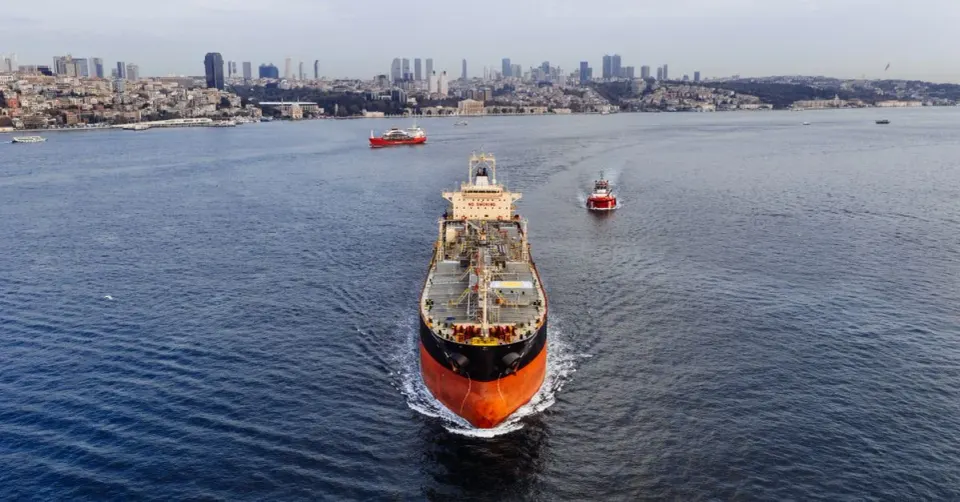
The Sanctioned Alliance: Tehran and Minsk Deepen Ties
As Western pressure mounts, the Iranian government is increasingly looking toward fellow sanctioned nations to build a parallel financial infrastructure. During the 19th meeting of the Joint Economic Commission in Minsk, officials from Iran and Belarus discussed strengthening monetary and banking cooperation. The primary goal is to facilitate financial exchanges that bypass the SWIFT network, which has largely frozen both nations out of the global economy. This move is part of a broader strategy to create a "sanction-proof" economic bloc, mirroring Russia's recent move to pay state wages in digital rubles for the first time. By integrating their banking systems, Tehran and Minsk hope to stabilize their respective currencies and maintain essential trade flows without relying on Western-controlled intermediaries.
However, the effectiveness of such alliances remains a subject of intense debate among economists. While bilateral agreements can facilitate the exchange of specific goods—such as agricultural machinery from Belarus for Iranian petrochemicals—they often lack the liquidity and scale of the global financial system. For Iranian businesses, these deals offer a lifeline, but they do not solve the fundamental problem of high transaction costs and limited market access. The reliance on "alternative" currencies and digital ruble-style experiments highlights the desperation of regimes under heavy sanctions to find any viable path toward economic survival in an increasingly bifurcated world.

Global Security Risks and the Flight to Safety
Beyond the immediate borders of Iran, the global geopolitical landscape is becoming increasingly fractured, driving investors toward safe-haven assets. News that Australian authorities are investigating a Flydubai co-pilot for alleged attempts to take control of a flight bound for Israel has added a fresh layer of anxiety to international aviation and regional security. This incident, combined with the ongoing blockade in the Persian Gulf, has pushed gold prices higher. In the Iranian market, 18k gold rose from 26,201,579 to 26,547,855 Toman per gram (+1.3%), reflecting a classic flight to safety as traditional currencies and riskier assets face uncertainty. The global gold ounce price currently stands at an elevated $4,141.80, underscoring the worldwide trend of hedging against systemic collapse.
This atmosphere of instability is not limited to the Middle East. From Australia’s Treasurer Jim Chalmers warning of global economic turmoil necessitating budget cuts to Japan’s protests over US military conduct in Okinawa, the post-war international order appears under immense strain. For the reader, these disparate events form a cohesive picture of a world where supply chains are fragile and geopolitical risk is the primary driver of value. Whether it is the price of a coin in Tehran or the cost of childcare in London, the interconnectedness of global politics means that a speech in Islamabad or a security breach in an airplane cockpit can have immediate, tangible effects on personal wealth and the cost of living.
Frequently Asked Questions
What is the Islamabad memorandum mentioned by Ghalibaf?
Why did the price of gold increase by 1.3% in Iran today?
How are Iran and Belarus planning to bypass SWIFT?
Geopolitical Choke Points and Their Economic Ripple Effects
Geopolitical choke points are narrow, strategically important passages of the sea that connect two larger areas of water. They are crucial for global trade, particularly for the transport of vital resources like oil and natural gas. Because of their constrained nature, these points are vulnerable to blockades, military actions, or political instability, which can have disproportionate impacts on international commerce and global supply chains. Understanding these choke points is key to grasping the complexities of energy security and international relations.
The Strait of Hormuz, mentioned in the headline, is arguably the most critical oil choke point in the world. Situated between Oman and Iran, it connects the Persian Gulf to the open ocean, through which a significant portion of the world's seaborne oil and liquefied natural gas (LNG) passes daily. Any disruption or threat to transit through the Strait of Hormuz can send shockwaves through global energy markets, leading to sharp increases in oil prices and creating immense pressure on economies reliant on these supplies.
The economic consequences of tensions or blockades in such choke points are far-reaching. For countries directly involved, like Iran in the headline, the threat of a blockade or ongoing international sanctions stemming from such tensions can severely weaken their national currency, as seen with the Iranian Rial. This depreciation reflects diminished investor confidence, reduced trade prospects, and the increased cost of imports. Globally, the uncertainty can prompt nations to seek alternative energy sources, diversify trade routes, or explore new financial mechanisms to circumvent potential disruptions or sanctions, highlighting the intricate link between geography, politics, and economics.
Topics
Related Articles