Iran’s Hormuz Leverage Weakens as Oil Bypasses Chokepoints; Toman Slides to 268k Amid 5% Coin Surge
تضعیف اهرم فشار ایران در تنگه هرمز؛ صعود دلار به ۲۶۸ هزار تومان و جهش ۵ درصدی سکه امامی
New data shows global oil flows are bypassing the Strait of Hormuz, potentially neutralizing Tehran's primary geopolitical weapon. Meanwhile, the Iranian Toman has plummeted 2.6% today, with speculative fever driving gold coins to a massive 5% gain.
At time of publishing
USD
268,500
Toman
Gold 18K
26.20M
Toman / gram
Bitcoin
$84,796
US Dollar
Tether
266,999
Toman
The Fading Shadow Over the Strait of Hormuz
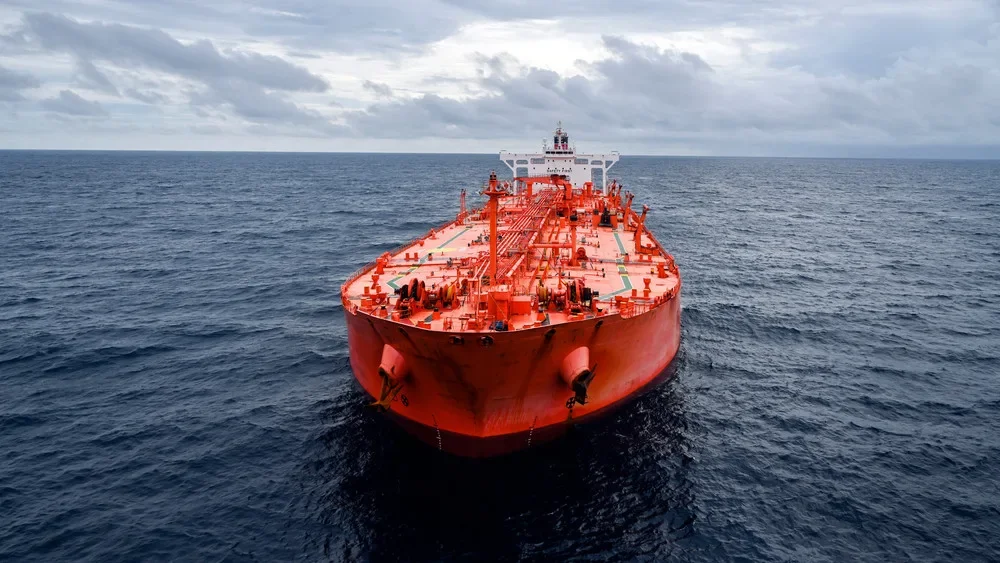
For decades, the threat of closing the Strait of Hormuz has been the ultimate trump card in Iran's geopolitical deck. However, recent data from commodity analytics firm Kpler suggests that this leverage is beginning to erode. Between September 1 and 28, approximately 16.5 million barrels of crude oil per day left the Persian Gulf region—a figure that matches pre-war averages even when Iranian exports are excluded. More importantly, much of this oil is reaching global markets through alternative routes and shipping arrangements that were either non-existent or underutilized just a few years ago. This shift indicates a structural change in how energy is moved, potentially making the world less vulnerable to a blockade at the world's most critical maritime chokepoint.
This development is significant because it suggests that the 'oil weapon'—the ability to trigger a global economic crisis by halting traffic in the Strait—is losing its potency. As regional players and global consumers invest in pipelines and diverse logistics, the tactical importance of the Persian Gulf's mouth is being diluted. For the Iranian government, which has long relied on this threat to deter international pressure, the data represents a quiet but profound shift in the balance of power. If the world can effectively bypass Hormuz, Tehran’s ability to project influence over global energy prices diminishes, leaving it with fewer options on the diplomatic chessboard.
Toman Under Pressure: The 268k Threshold and Gold’s Speculative Run
On the domestic front, the Iranian market is reacting to regional uncertainty with a sharp move toward safe-haven assets. On this Saturday, October 3, 2026, the USD sell rate climbed from 261,700 to 268,500 Toman, marking a significant 2.6% depreciation of the local currency in a single day. While the dollar's rise is concerning, it is the gold market that is showing signs of extreme speculative fever. The Emami coin surged from 261,000,000 to 274,000,000 Toman, a massive 5.0% increase that far outpaces the dollar's growth. This discrepancy suggests that investors are not just hedging against currency devaluation but are actively betting on a larger systemic shock or a liquidity trap in the physical gold market.
This decoupling of gold and currency growth rates often points to a 'panic buy' mentality. When the price of a gold coin rises at double the rate of the dollar, it indicates that traders are prioritizing immediate liquidity and portable wealth over traditional currency holdings. With 18k gold now trading at over 26.2 million Toman per gram, the cost of living and the barrier to entry for small-scale savings have reached unprecedented levels. This volatility is likely driven by the combined weight of regional security jitters and the realization that traditional economic levers are failing to stabilize the market.
Bitcoin’s Tightening Range and Global Policy Shocks
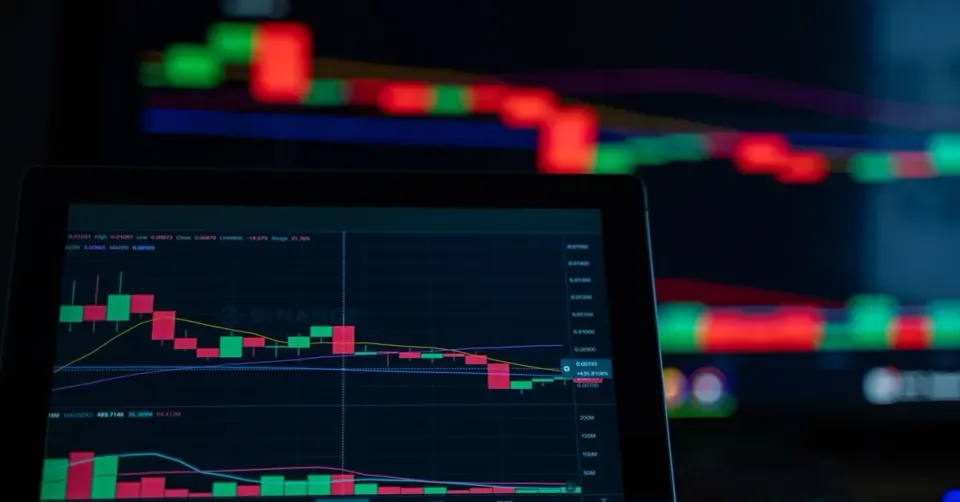
In the global digital asset space, Bitcoin remains stuck in a tightening range, trading at $84,796. While the cryptocurrency has managed to hold much of its recent gains, it is struggling to break through the psychological resistance of $85,000. This stagnation comes at a time of high volatility in other sectors, suggesting that crypto investors are waiting for a clear macro signal before committing to the next leg of the bull run. In Iran, the USDT price has mirrored the local dollar surge, sitting at 266,999 Toman, making the entry point for local crypto enthusiasts increasingly expensive as the Toman weakens.
Beyond the markets, significant policy and geopolitical shifts are making headlines. In the United States, Tennessee’s top prison official, Frank Strada, has announced his resignation following the botched execution of Christa Pike. The incident has sparked an independent investigation by Governor Bill Lee and reignited a national debate over the competence of executive institutions in managing high-stakes judicial outcomes. Meanwhile, in Europe, the return of Czar Samuel’s remains to Bulgaria after 1,000 years has served as a potent symbol of national identity, though it has simultaneously stoked historical tensions with Greece. These events, ranging from the technical failures of a state execution to the symbolic weight of ancient remains, highlight a world in flux where institutional credibility and historical narratives are under constant scrutiny.

Cultural Resilience and the Final Whistle
Despite the economic and political turbulence, cultural and sporting milestones continue to provide a sense of continuity. In the UK, Wakefield Trinity ended a nearly six-decade drought by defeating Warrington Wolves at Old Trafford to win the Super League Grand Final. Such events often serve as a barometer for public sentiment; even as global energy markets shift and currencies fluctuate, the local impact of a 58-year wait for a championship provides a brief reprieve from the heavy news cycle. For observers of global trends, these moments are a reminder that the human element remains at the core of every data point, whether it is a price hike in Tehran or a victory parade in Wakefield.
Frequently Asked Questions
چرا قیمت سکه بیشتر از دلار رشد کرده است؟
دور زدن تنگه هرمز چه تاثیری بر اقتصاد ایران دارد؟
آیا بیتکوین به روند صعودی خود بازمیگردد؟
Understanding Energy Chokepoints and Global Energy Security
Energy chokepoints are narrow, critical passages, often maritime straits or canals, through which a significant portion of the world's energy supplies must travel. These geographical bottlenecks, such as the Strait of Hormuz, the Suez Canal, and the Bab el-Mandeb Strait, are indispensable for the global transport of crude oil, liquefied natural gas (LNG), and other vital commodities. Their strategic importance stems from the sheer volume of trade that passes through them, making them crucial arteries for the global economy and energy markets.
The strategic significance of these chokepoints lies in the immense geopolitical leverage they confer upon nations that can influence or control them. Any disruption, whether due to political instability, military conflict, piracy, or even natural disasters, can severely impact global energy prices, disrupt supply chains, and threaten the energy security of importing nations. For example, the Strait of Hormuz, connecting the Persian Gulf to the open ocean, is arguably the world's most critical oil transit chokepoint, with a substantial percentage of the world's seaborne oil passing through it daily. Its potential closure or disruption has long been a major concern for global energy markets and international relations.
However, the headline highlights a crucial dynamic: the weakening leverage of a chokepoint when oil bypasses it. As nations seek to enhance their energy security and reduce vulnerability to disruptions, investments in alternative pipelines, diversified supply routes, or new energy sources become paramount. When oil or gas can be transported via routes that circumvent these traditional bottlenecks, the strategic importance and geopolitical influence associated with controlling the chokepoint diminish. This shift can fundamentally alter regional power balances and contribute to greater global energy resilience by reducing reliance on any single vulnerable passage.
Topics
Related Articles