Riyadh Airport Hit Again Amid Regional Escalation; Toman Holds Steady Despite Houthi-Saudi Tensions
حمله مجدد به فرودگاه ریاض در پی تشدید تنشهای منطقهای؛ ثبات نسبی تومان با وجود سایه جنگ
Riyadh's main airport has faced a second wave of attacks, forcing flight diversions and signaling a dangerous escalation in the Houthi-Saudi conflict. Meanwhile, the Iranian Toman shows surprising resilience, edging slightly higher as markets digest the geopolitical risk.
At time of publishing
USD
265,600
Toman
Gold 18K
26.45M
Toman / gram
Bitcoin
$82,936
US Dollar
Tether
266,200
Toman
Regional Tensions Flare as Riyadh Airport Comes Under Fire
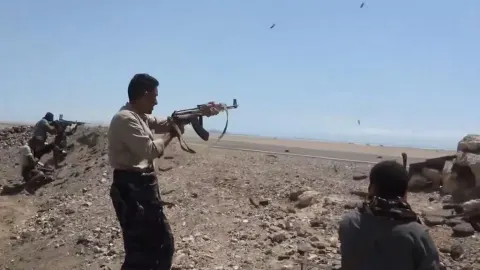
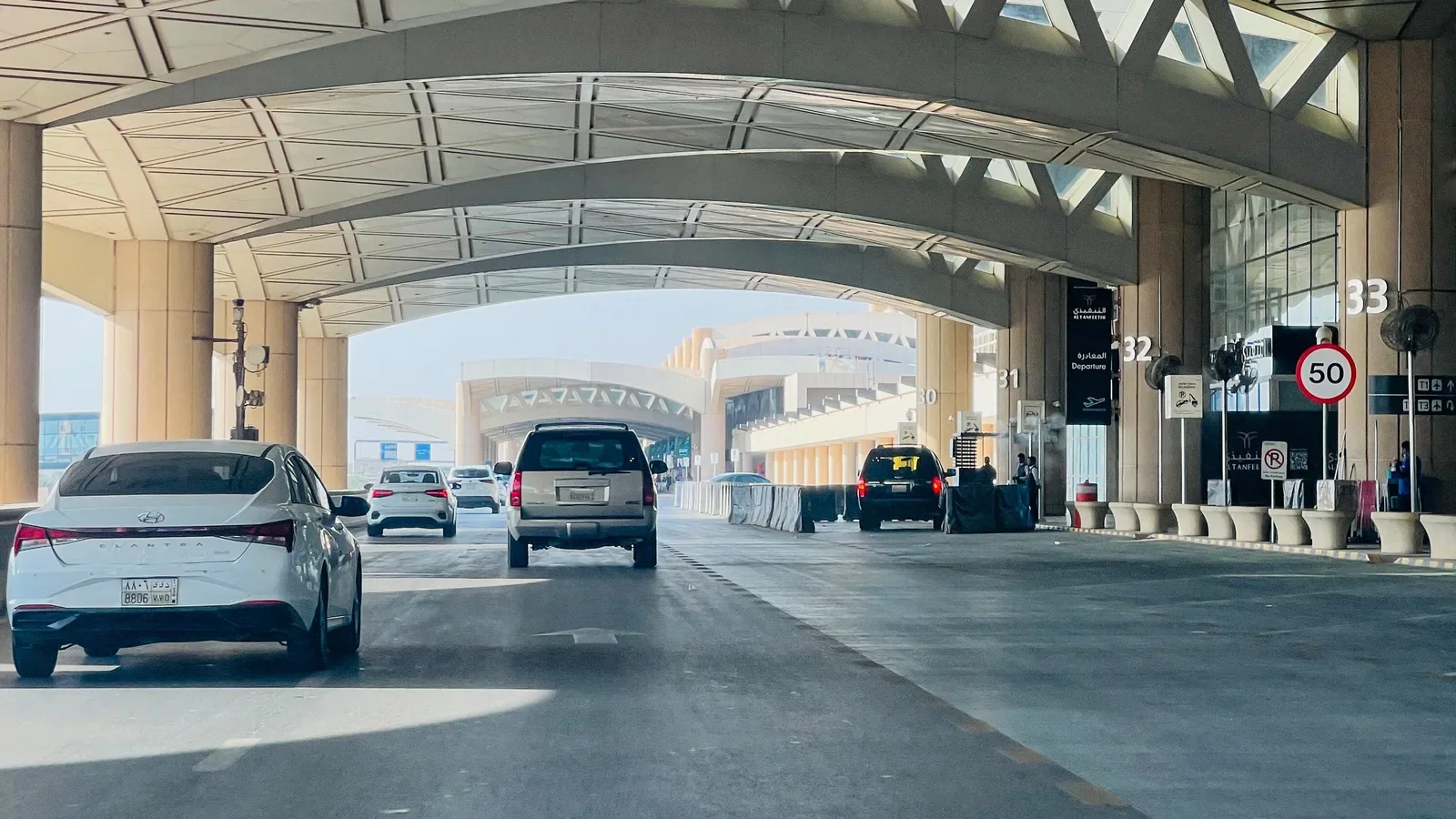
For the second time in as many days, the international airport in Saudi Arabia's capital, Riyadh, has been targeted by what diplomats describe as a coordinated strike. Reports indicate that flights were diverted and ground operations were temporarily halted as defense systems engaged incoming threats. These attacks, attributed to the Iran-backed Houthi militia in Yemen, represent a significant breach of the fragile security environment in the Arabian Peninsula. The timing is particularly sensitive, coming after a series of deadly strikes that have reignited fears of a broader regional conflagration that could draw in global powers.
The implications for global energy and logistics are immediate. Riyadh serves as a critical hub for both commercial aviation and diplomatic traffic in the Middle East. The repeated nature of these strikes suggests a strategic shift by the Houthi forces, aiming to demonstrate their reach into the heart of Saudi sovereignty. For the international community, this escalation underscores the persistent volatility of the Yemen conflict and its ability to disrupt one of the world's most vital economic corridors. Analysts are watching closely to see if this prompts a direct military response from the Saudi-led coalition, which could further destabilize the region.
Iran's Security Narrative vs. Diplomatic Realism
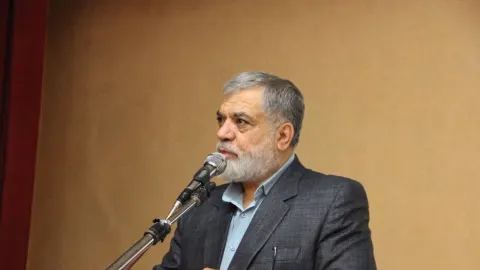
Inside Iran, the official narrative remains focused on domestic stability and strategic confidence. Major General Ali Abdollahi, Chief of the General Staff of the Armed Forces, claimed today that Iran’s security indicators have actually improved over the past year, despite the proximity of two major regional wars. Speaking to state media, Abdollahi praised the police and security forces for maintaining order even as their facilities have faced intermittent attacks. This domestic framing aims to project an image of a 'fortress Iran' that remains untouched by the chaos surrounding its borders, a message intended both for a restless domestic public and regional adversaries.
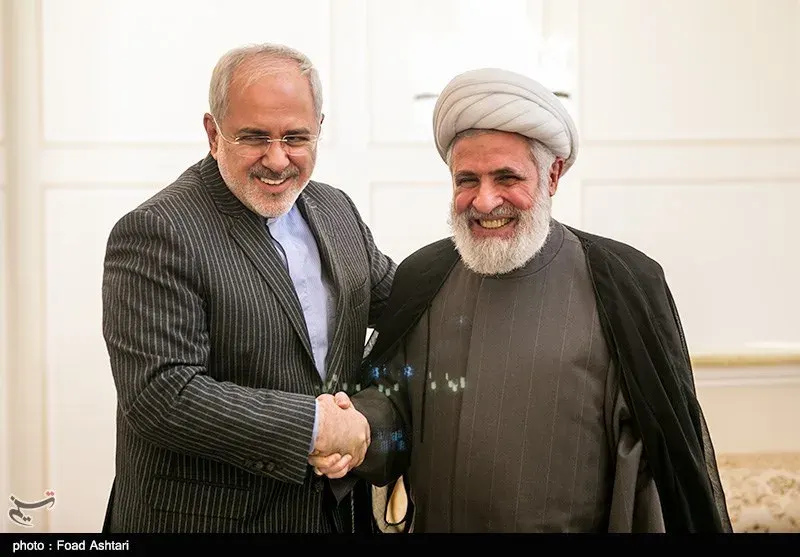
However, former Foreign Minister Mohammad Javad Zarif offered a more nuanced take on the country's external position. Zarif emphasized that constructive engagement with the world requires a foundation of national self-confidence and an avoidance of "weakness and passivity." His comments suggest a lingering debate within the Iranian political establishment regarding how to navigate the current crisis. While the military wing touts defensive strength, the diplomatic old guard warns that without a proactive and equal-footing dialogue with global powers, Iran risks being marginalized or further squeezed by international sanctions and isolation.
Global Markets and the 'Iran War' Energy Pivot
In a paradoxical twist, the ongoing tensions—often referred to in financial circles as the 'Iran War' context—are accelerating a global shift away from fossil fuels. Market analysts report that the constant threat to the Strait of Hormuz has exposed the extreme vulnerabilities of the international energy system. Governments across Europe and Asia, weary of the volatility associated with Middle Eastern oil routes, are doubling down on renewable energy investments. This shift is not merely environmental but a core national security strategy to bypass the geopolitical choke points that Iran and its proxies can influence.
For the Iranian economy, this trend is a double-edged sword. While regional instability often leads to temporary spikes in oil prices that can pad the state's coffers, the long-term 'de-risking' by global consumers threatens the very foundation of Iran's future revenue. As the world builds infrastructure that doesn't rely on the Persian Gulf, the strategic leverage provided by the Strait of Hormuz may begin to erode. This structural change in the global economy is perhaps the most significant long-term consequence of the current military posturing, potentially leaving oil-dependent nations in a precarious position as the 'Green Transition' becomes a matter of survival rather than just policy.
Toman and Gold: A Saturday of Cautious Resilience
Despite the alarming headlines from Riyadh and the ongoing strikes in Ukraine—where Russian bombs recently claimed 15 lives in Zaporizhzhia—the Iranian markets opened the week with a surprising sense of calm. The USD sell rate moved from 267,400 to 265,600 Toman, marking a 0.7% decrease over the last 24 hours. This suggests that the local market had already priced in a high level of regional tension, or perhaps that traders are waiting for a more definitive signal before committing to a major currency sell-off. The relative strength of the Toman in the face of regional fire is a testament to the heavily controlled nature of the current exchange environment.

Gold and coinage followed a similar trajectory of minor cooling. The price of 18k gold per gram dipped slightly from 26,508,610 to 26,446,280 Toman (-0.2%), while the Emami coin saw a marginal drop to 269,500,000 Toman. These movements reflect a global 'wait-and-see' approach. Even as thousands gathered in London to protest the ongoing conflict in Gaza, and as domestic protests in Delhi saw hundreds detained, the financial markets seem to be searching for a floor. For the average Iranian saver, this pause offers a brief moment of stability, though the underlying geopolitical pressures remain as explosive as ever.
Frequently Asked Questions
چرا با وجود حمله به ریاض، قیمت دلار در ایران کاهش یافت؟
تأثیر حملات حوثیها بر بازار جهانی نفت چیست؟
منظور ظریف از تعامل سازنده در شرایط فعلی چیست؟
Understanding Iran's Currency Regime: The Rial, the Toman, and Exchange Rate Management
Iran’s official currency is the rial (IRR), but everyday transactions are quoted in the toman, which is simply the rial divided by ten. This dual‑naming system can be confusing for outsiders, yet it reflects a long‑standing practice dating back to the 1930s when the government re‑denominated the rial at a 10‑to‑1 rate. In official statistics, the exchange rate is expressed as IRR per US dollar, while markets and the public usually speak of “toman per dollar.”
Since the early 2000s Iran has oscillated between a tightly controlled official rate and a parallel market (often called the “free market” rate). The official rate is set by the Central Bank of Iran (CBI) and is used for government imports, oil sales, and foreign debt service. The parallel rate emerges from supply‑and‑demand dynamics in black‑market exchanges, where sanctions, limited foreign currency inflows, and capital controls create a premium on dollars. The gap between the two rates is a key indicator of macro‑economic stress and can affect inflation, investment, and public confidence.
In October 2026, the headline you saw – “USD / IRR price October 2026” – likely refers to the parallel market rate, which has been hovering around 500,000 IRR per dollar (or roughly 50,000 toman). The CBI has tried to narrow the spread by modestly devaluing the official rate and allowing limited dollar purchases for essential imports. However, external shocks such as Houthi drone attacks on Saudi infrastructure or heightened regional tensions can quickly tighten dollar demand, pushing the parallel rate higher.
Understanding this regime matters for investors and analysts because the rial’s volatility directly influences the cost of imported goods, the profitability of Iranian exporters, and the real value of foreign‑currency‑denominated debt. A stable “toman” price, as reported in the headline, suggests that despite geopolitical turbulence, the market has not yet forced a dramatic re‑pricing of the currency—a sign of either effective policy measures or a temporary lull in external pressures.
For a deeper dive, see the Wikipedia overview of the Iranian rial, the IMF country page on Iran’s exchange‑rate policies, Investopedia’s explanation of currency pegs, and recent Reuters coverage of Iran’s attempts to stabilize the rial amid sanctions.
Topics
Related Articles