UK Challenges Argentina's Interpol Demands Amid Falklands Oil Tensions; Crypto Volatile as Russia Embraces Digital Assets
بریتانیا درخواستهای دستگیری آرژانتین در مورد نفت فالکلند را به اینترپل برد؛ نوسان رمزارزها با ورود بانک بزرگ روسی
Tensions between the UK and Argentina are escalating over Falklands oil exploration, with Britain urging Interpol to reject Buenos Aires' arrest requests. Meanwhile, crypto markets are experiencing significant volatility, even as Russia's largest bank, Sberbank, makes a landmark move to open crypto trading to all clients. Global markets, including Iran's, reflected mixed signals today: USD saw a notable decline against the Toman, moving from 260,600 to 256,900 (-1.4%), while gold and Emami coin also experienced drops, with 18k gold per gram falling from 25,919,940 to 25,679,855 (-0.9%) and Emami coin decreasing from 264,500,000 to 259,000,000 (-2.1%).
At time of publishing
USD
256,900
Toman
Gold 18K
25.68M
Toman / gram
Bitcoin
$83,428
US Dollar
Tether
256,000
Toman
UK Urges Interpol to Reject Argentina's Falklands Oil Arrest Warrants
The United Kingdom has formally appealed to Interpol, urging the international police organization to reject Argentina's "politically motivated" requests for the arrest of individuals involved in a significant oil exploration project off the Falkland Islands. This diplomatic maneuver underscores a sharp escalation in tensions between the two nations over the sovereignty of the British overseas territory, which saw a brief but bloody war in 1982. The requests, termed "red notice" alerts by the government of Argentine President Javier Milei, target individuals linked to the controversial oil venture, signaling Argentina's renewed aggressive stance on its long-standing claim to the islands.
London views these arrest requests as a direct challenge to its sovereignty and a provocative attempt to exert jurisdiction over activities in waters it considers British. British officials have sought urgent assurances from Interpol that these requests will be dismissed, arguing they lack legitimate criminal basis and are purely political in nature. The implications are far-reaching, potentially chilling investment in the region and raising questions about the scope of international law enforcement in territorial disputes. For global energy markets, any perceived instability in potential oil-producing regions can introduce uncertainty, affecting risk premiums and investment flows, even if the immediate impact on supply is minimal.

Crypto Markets See Bitcoin Volatility Amid Russian Institutional Embrace
The cryptocurrency market is experiencing a period of significant volatility, with Bitcoin's price whipsawing between $81,000 and $84,000 over the past 24 hours, while several altcoins, including ZEC, HYPE, and SOL, have recorded notable losses. This fluctuation reflects ongoing market uncertainty and a cautious sentiment among investors, often influenced by broader macroeconomic trends and the performance of traditional assets. The rapid price movements underscore the speculative nature of digital assets, where sentiment can shift dramatically in short periods, prompting traders to exercise heightened caution in their positions.
Adding a crucial layer to the evolving crypto landscape, Russia's largest bank, Sberbank, has secured official approval to begin trading cryptocurrencies. This landmark development is set to open crypto trading to all Sberbank clients starting December 1, with the bank already piloting Bitcoin (BTC), Ethereum (ETH), and Tether (USDT) trades within its mobile application. Sberbank's entry into the crypto market is a significant step towards mainstream institutional adoption in a major economy, potentially boosting liquidity and legitimizing digital assets for a wider audience. This move could also influence global regulatory discussions around cryptocurrencies, as more traditional financial institutions embrace the asset class, offering a counterpoint to the market's current price instability.
UK Grapples with Ticket Touting as Cultural Events Face Market Pressures
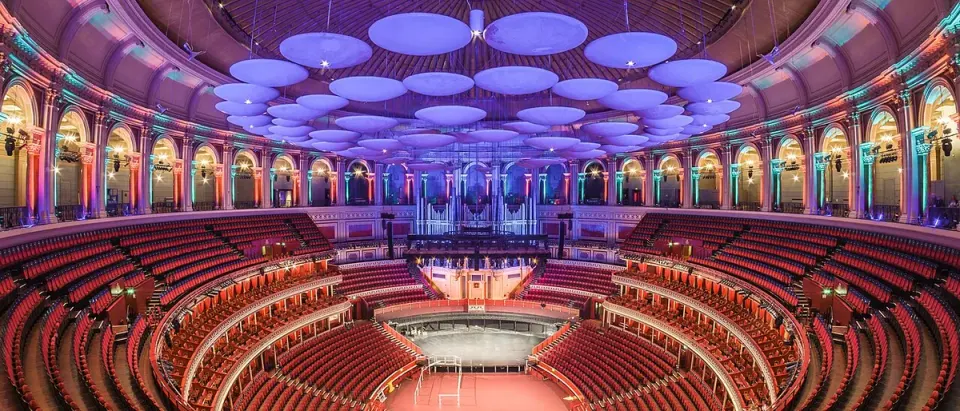
Across the cultural landscape, a different kind of market tension is playing out in the United Kingdom, where award-winning singer Raye has publicly pushed back against ticket touts who "overwhelmed" the sign-up process for her highly anticipated Royal Albert Hall show. With an astonishing 1.8 million sign-ups for just 5,000 seats, the incident highlights the intense demand for live entertainment and the persistent challenge of secondary ticketing markets. This phenomenon, where tickets are resold at inflated prices, not only frustrates genuine fans but also raises questions about fair access and the integrity of the primary ticketing system.
Such widespread touting incidents often prompt calls for stricter regulation and consumer protection measures from governments, reflecting a broader societal debate about market fairness. While seemingly a cultural story, the underlying dynamics touch upon economic principles of supply and demand, market manipulation, and the role of policy in safeguarding consumer interests. For policymakers, striking a balance between allowing a free market and preventing exploitative practices is a constant challenge, as the digital age makes it easier for touts to operate at scale. The incident serves as a reminder that market pressures and ethical considerations extend beyond traditional financial sectors, impacting even the arts and entertainment industries.
Global Attention on Safety After Six Flags Rollercoaster Incident
A tragic incident at a Six Flags amusement park has resulted in one fatality and several injuries after a rollercoaster malfunctioned, drawing global attention to safety standards in the entertainment industry. Aerial footage from the park showed a rollercoaster stuck mid-ride, with emergency services assisting riders. Such events, while localized, resonate widely, prompting discussions about ride maintenance, operational protocols, and the overall safety assurances provided by major amusement park operators worldwide.
For a global audience, including travelers and families from regions like Iran who may visit such international attractions, these incidents raise concerns about the inherent risks of thrill rides and the robustness of safety regulations. While the specific location of this Six Flags park was not immediately detailed, the brand's international recognition means that news of such an accident can impact public confidence in amusement parks globally. It underscores the critical importance of stringent safety inspections and continuous vigilance to prevent similar tragedies, ensuring that recreational activities remain safe for all patrons. The human cost of such an event is immense, and it serves as a stark reminder of the need for unwavering commitment to safety in all public venues.
Frequently Asked Questions
Why is the UK challenging Argentina's Interpol requests regarding the Falklands?
What is the significance of Sberbank's entry into cryptocurrency trading?
How did the Toman market react today?
What does the Raye ticket touting incident reveal about cultural markets?
What are the implications of the Six Flags rollercoaster incident?
Geopolitical Risk: Navigating Global Tensions and Financial Markets
Geopolitical risk refers to the potential for international political events—such as wars, territorial disputes, sanctions, or shifts in state policy—to disrupt the stability of global markets and economies. These events create uncertainty, influencing everything from commodity prices and currency exchange rates to investor confidence and the allocation of capital. The headline's mention of the Falklands dispute and UK-Argentina tensions, alongside Russia's embrace of digital assets, vividly illustrates how diverse geopolitical factors can ripple through the financial world.
Traditional markets often react immediately to geopolitical developments. For instance, heightened tensions over resource-rich regions, like the Falklands with its potential oil reserves, can directly impact energy prices and the valuations of companies involved in extraction. Similarly, international sanctions or shifts in trade relations can dramatically affect currency exchange rates, as seen with the USD/IRR, and drive investors towards perceived safe havens like gold, which often sees its price rise during periods of global instability. These reactions are a fundamental mechanism through which geopolitical events translate into tangible financial consequences.
The rise of digital assets introduces a new layer of complexity to geopolitical risk. When a major economy like Russia, facing international sanctions, explores or embraces cryptocurrencies and digital currencies (like through Sberbank), it's not just a technological shift; it's a geopolitical strategy. Such moves can be interpreted as attempts to circumvent traditional financial systems, reduce reliance on the U.S. dollar, or establish alternative payment rails. This state-level adoption contributes significantly to the volatility of cryptocurrencies like Bitcoin, as their perceived utility and regulatory future become intertwined with complex international relations and the shifting balance of global power. For investors, understanding these intertwined dynamics is crucial for navigating modern financial landscapes.
Topics
Related Articles