Pezeshkian Pivots to Consumer Rights as IMF Warns Middle East Conflict Could Derail Global Recovery
تاکید پزشکیان بر حقوق مصرفکننده در سایه هشدار صندوق بینالمللی پول درباره ریسکهای خاورمیانه
President Pezeshkian calls for shared responsibility in protecting Iranian consumers as the rial sees a slight 0.7% recovery. Meanwhile, the IMF warns that regional conflict remains the primary threat to a fragile global economic resilience.
At time of publishing
USD
258,800
Toman
Gold 18K
25.74M
Toman / gram
Bitcoin
$83,852
US Dollar
Tether
256,121
Toman
Pezeshkian’s Domestic Pivot Amidst Economic Pressure
At 12:00 Tehran time, President Masoud Pezeshkian addressed the pressing issue of consumer rights, calling for a "shared responsibility" between the government, manufacturers, and the public. This rhetorical shift comes at a critical juncture as the Iranian market continues to grapple with systemic inflation and the lingering effects of international isolation. Pezeshkian emphasized that improving product quality and adhering to stronger standards are essential for building public trust and ensuring sustainable development. While the speech aims to project a sense of domestic stability, it highlights the government's struggle to manage a population increasingly frustrated by the diminishing purchasing power of the Rial. In the currency markets, we are seeing a minor cooling effect today. The USD/IRR exchange rate moved from 260,600 to 258,800, representing a 0.7% decrease over the last 24 hours. This slight appreciation of the Rial may be a temporary reaction to the lack of immediate military escalation over the last few hours, but the underlying structural issues remain. Manufacturers often find themselves squeezed between government-mandated price caps and the rising costs of imported raw materials, making Pezeshkian's call for "quality" a difficult goal to achieve without broader economic reforms and sanctions relief.
IMF Upgrades UK Growth but Issues Dire Middle East Warning
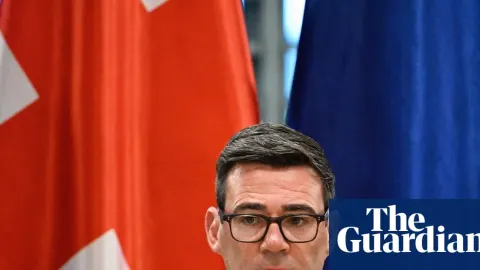
The International Monetary Fund (IMF) has raised its 2026 growth forecast for the United Kingdom to 1.3%, offering a rare bit of optimism for Prime Minister Andy Burnham’s administration. Silvana Tenreyro, the IMF’s chief economist, noted that the UK stands out among G7 nations for its clear plan to narrow its deficit. However, this optimism is heavily tempered by a broader warning about the global economy. The IMF explicitly stated that the ongoing war in the Middle East remains the single biggest risk factor that could derail global growth, which is currently projected at 3.4% for next year. The concept of "resilience reaching its limits" was a central theme in the IMF’s latest briefing. While global markets have largely absorbed the shocks of the past two years, the potential for an energy crisis sparked by regional escalation is a looming shadow. For Iranian readers, this global perspective is crucial; any further disruption in the Persian Gulf could send oil prices soaring, but it also increases the likelihood of more aggressive international fiscal measures that could further isolate the Iranian banking sector. The IMF's call to "restore fiscal space" suggests that global central banks have little room left to maneuver if a new supply-side shock occurs.
Security Realities: IRNA Chief Visits Lamerd Strike Sites
Underscoring the physical reality of the regional tensions, Hossein Jaberi-Ansari, the CEO of the state-run Islamic Republic News Agency (IRNA), visited the city of Lamerd in Fars Province today. The visit was intended to survey the damage from recent US-Israeli airstrikes. This high-profile visit serves as a reminder that despite the slight 0.7% dip in gold prices—with 18k gold moving from 25,919,940 to 25,742,185 Toman—the security risk premium remains embedded in every local asset class. The state media's focus on these sites is a clear attempt to galvanize domestic sentiment against foreign intervention while acknowledging the vulnerability of domestic infrastructure. From a market perspective, the focus on Lamerd—a region significant for its industrial and energy potential—highlights why investors remain on edge. While the Emami coin saw a minor decrease of 0.6% to 263,000,000 Toman, the threat of continued strikes on economic targets keeps capital flight a very real possibility. The government’s narrative continues to frame these incidents as unprovoked aggression, yet the economic fallout is felt most acutely by ordinary citizens who see the costs of insurance and logistics rise with every reported explosion.
AI Markets Shaken by Broadcom’s ‘Gamblers’ Comment
In the technology sector, Broadcom CEO Hock Tan has sparked a significant sell-off in microchip stocks following controversial comments at a conference in Singapore. Tan’s description of certain AI investors as "gamblers" created a storm of uncertainty, leading to slumps across the semiconductor sector on both Monday and Tuesday. This volatility in the US tech sector has a ripple effect on global risk appetite, often influencing the flow of capital into alternative assets like Bitcoin. Currently, BTC is holding at $83,852, as traders weigh whether the AI-driven productivity gains promised by the IMF can truly offset the speculative bubbles forming in tech valuations.
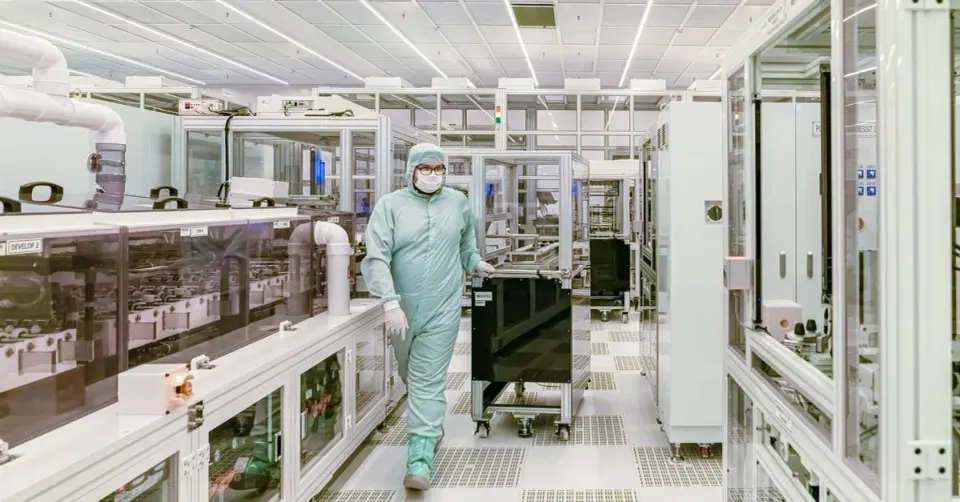
This market jitters illustrate a broader trend: the "K-shaped" recovery where high-tech sectors see massive valuations while traditional manufacturing struggles. For the Iranian tech community and those using crypto as a hedge, the Broadcom incident is a reminder that even the most robust-looking bull markets are susceptible to executive rhetoric. As the global economy tests its limits of resilience, the intersection of geopolitical risk and technological speculation will likely define the volatility of the coming months.
Frequently Asked Questions
Why did the Dollar and Gold price drop in Tehran today?
What was the IMF's specific warning about the Middle East?
How did Broadcom's CEO affect the crypto and tech markets?
Geopolitical Risk and its Economic Ripple Effects
Geopolitical risk stands as a formidable force shaping both global and regional economies. It encompasses political instability, international conflicts, and diplomatic tensions that can profoundly disrupt economic activity and investor confidence. The recent warning from the International Monetary Fund (IMF) that the Middle East conflict could derail global recovery serves as a stark reminder of this concept's pervasive influence, highlighting how regional events can cast long shadows across the world economy.
These risks translate into economic consequences through several key mechanisms. Heightened uncertainty often triggers capital flight, as investors withdraw funds from perceived risky markets in search of safer havens. This can lead to significant currency depreciation, as seen in fluctuations of exchange rates like USD/IRR, and exacerbate inflationary pressures within affected nations. Furthermore, geopolitical tensions can disrupt critical supply chains, impact global commodity prices (especially oil), and deter much-needed foreign direct investment, thereby stifling economic growth and development.
Markets react swiftly to escalating geopolitical tensions, often exhibiting a pronounced flight to “safe-haven” assets. Gold, a classic example, typically sees increased demand and price surges—mirroring movements like the gold price in Tehran mentioned in the keywords—as investors seek to preserve wealth against currency devaluation and market volatility. Similarly, strong, stable currencies, such as the US Dollar, often experience increased demand, further influencing local exchange rates. These market reactions are a collective attempt to price in the perceived future instability and potential economic damage.
Ultimately, the impacts of geopolitical risk are dual-natured: both global and local. While a regional conflict can indeed derail global recovery by affecting energy markets, trade routes, and investor confidence worldwide, its local impact is often more immediate and severe. It can manifest in daily life through soaring inflation, unemployment, and reduced economic activity. Understanding geopolitical risk is therefore crucial for policymakers and individuals alike to anticipate, prepare for, and mitigate these wide-ranging economic consequences.