
Nord Stream Sabotage Trial Begins in Germany as Toman Slides and Bank of America Faces $1.2 Billion Fine
آغاز محاکمه متهم انفجار نورد استریم همزمان با سقوط ریال و جریمه ۱.۲ میلیارد دلاری بنک آو آمریکا
A historic trial has opened in Germany for the 2022 Nord Stream pipeline bombing, while the Iranian Toman faces intense pressure as USD climbs 1.8%. Simultaneously, global financial markets are reacting to a massive $1.2 billion money laundering fine against Bank of America.
At time of publishing
USD
264,400
Toman
Gold 18K
26.10M
Toman / gram
Bitcoin
$83,791
US Dollar
Tether
263,200
Toman
The Nord Stream Sabotage: A Day of Reckoning in German Courts
Four years after the underwater explosions that crippled the Nord Stream 1 and 2 pipelines, a landmark trial has finally commenced in Germany. Serhii Kuznetsov, a Ukrainian national, appeared in court today accused of playing a central role in the plot to destroy Russia's direct gas link to Western Europe. This trial represents more than just a criminal proceeding; it is a geopolitical lightning rod that could reshape European relations with Kyiv. Prosecutors allege that the sabotage was a calculated effort to permanently disconnect the energy dependency between Moscow and Berlin, a move that significantly altered the European energy landscape in the wake of the Ukraine conflict.
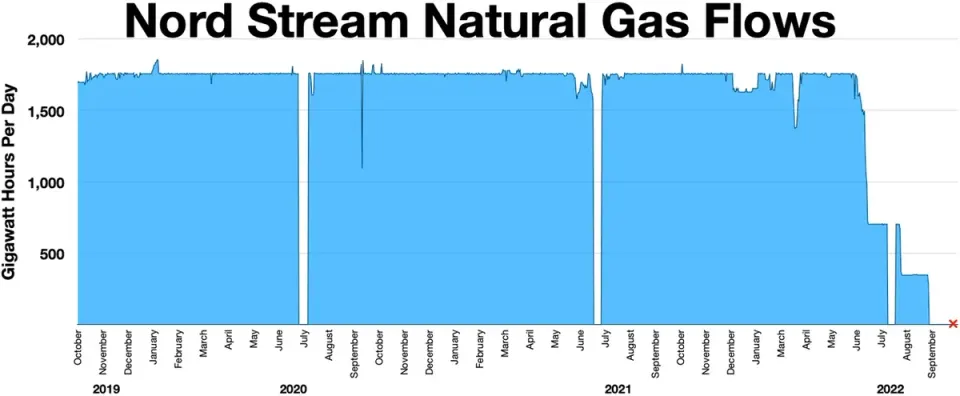
For the global energy market, this trial brings back painful memories of the 2022 energy crisis. While the pipelines were already largely idle at the time of the blast due to political tensions, their physical destruction removed any immediate possibility of a return to cheap Russian gas. The evidence presented in court—ranging from forensic diving equipment to encrypted communications—is expected to shed light on whether this was a rogue operation or one with state-level backing. As the trial unfolds, European leaders are walking a diplomatic tightrope, balancing the need for judicial accountability with the sensitive nature of their continued military and financial support for Ukraine.
Toman Under Pressure: Currency and Gold Volatility in Tehran
The Iranian market is experiencing a sharp wave of volatility this Wednesday, October 14, 2026. Domestic currency rates have shifted significantly in the last 24 hours, with the USD selling rate rising from 259,800 to 264,400 Toman, marking a 1.8% increase. This depreciation of the Toman is being driven by a combination of regional security concerns and the psychological impact of stalled diplomatic efforts. The gold market has reacted even more aggressively; the Emami gold coin jumped from 258,000,000 to 269,000,000 Toman, a substantial 4.3% surge that reflects a flight to safety among local investors who fear further currency devaluation.
This market movement is not happening in a vacuum. Reports of renewed tensions in the Persian Gulf, including Houthi attacks on Aramco facilities in Saudi Arabia, have spiked the risk premium for the entire region. For the average Iranian citizen, these numbers translate into immediate inflationary pressure on imported goods and a further erosion of purchasing power. With 18k gold also rising by 1.5% to reach 26,102,313 Toman per gram, the trend suggests that the market is pricing in a period of sustained instability. Traders in Tehran's Ferdowsi Square are closely watching the $84,000 resistance level for Bitcoin, as digital assets continue to serve as an alternative hedge for those looking to exit the Toman.
Banking Giants and Global Oversight: The $1.2 Billion Lesson
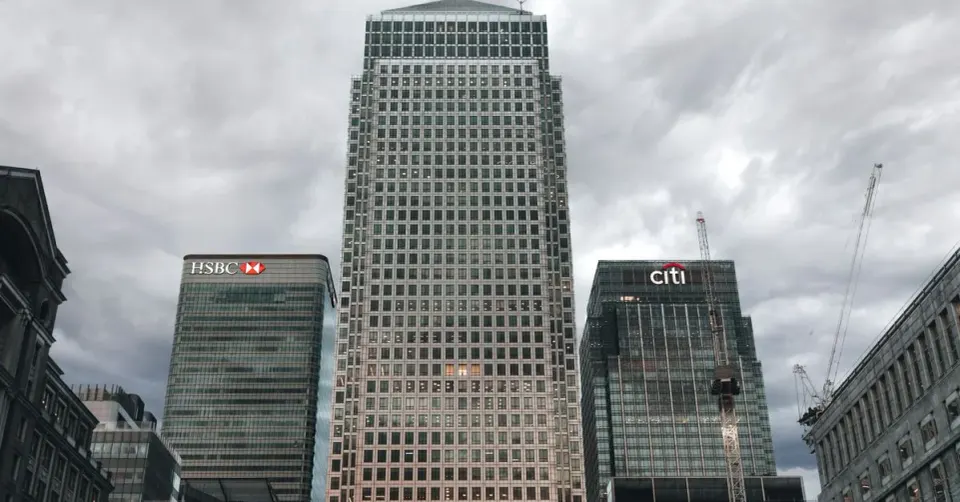
In a massive blow to one of the world's largest financial institutions, Bank of America (BAC.N) has been hit with a $1.21 billion fine by U.S. regulators. The penalty, the third-largest in the history of the U.S. Treasury, stems from what officials describe as "widespread and systemic failures" to detect and report money laundering and other illicit activities. Specifically, the bank failed to report more than $5 billion in suspicious activity, including approximately $1 billion that posed direct national security risks. This fine is expected to significantly impact the bank's third-quarter earnings and has sent ripples through the global banking sector, signaling a zero-tolerance approach from the Treasury Department toward compliance failures.
This development matters because it highlights the increasing scrutiny on global capital flows. For international markets, the fine serves as a warning that even the largest "too big to fail" institutions are not immune to massive regulatory penalties. The failure to monitor these transactions often allows sanctioned entities and criminal organizations to move funds through the global financial system undetected. As Bank of America scrambles to overhaul its internal compliance systems, the broader market is reassessing the risk profiles of major financial stocks. This regulatory crackdown comes at a time when global liquidity is already tight, and investors are increasingly wary of hidden liabilities within the balance sheets of major lenders.
Diplomacy and Defense: Pezeshkian’s CIS Strategy
On the diplomatic front, Iranian President Masoud Pezeshkian’s recent proposals at the CIS (Commonwealth of Independent States) summit are being hailed by Russian experts as a strategic blow to Western-led sanctions campaigns. According to state-affiliated media reports, the proposal aims to deepen economic integration between Iran and former Soviet republics, potentially creating a trade bloc that operates outside the influence of the U.S. dollar. While the Iranian government frames this as a landmark achievement in neutralizing the "anti-Iran campaign," the practical reality remains complex. Sanctions continue to hamper the physical infrastructure and banking connections required for such a massive shift in trade policy.
For the Iranian public, the success of these regional alliances is often measured by their ability to stabilize the domestic economy. While high-level summits in Moscow provide a platform for anti-Western rhetoric, the immediate impact on the Toman or the cost of living remains negligible. The divergence between the government's optimistic diplomatic narrative and the reality of the 1.8% slide in the Toman today highlights the gap between geopolitical aspirations and economic stability. As Iran seeks to pivot further toward the East, the efficacy of the CIS as a viable economic alternative to Western markets will be a defining theme of the 2026 fiscal year.
Watch
Ukrainian ex-officer stands trial in Germany over Nord Stream bombing • FRANCE 24 English
FRANCE 24 English
Frequently Asked Questions
چرا قیمت سکه امامی بیش از دلار رشد کرده است؟
اتهام اصلی در دادگاه نورد استریم چیست؟
جریمه بنک آو آمریکا چه تاثیری بر بازارهای جهانی دارد؟
Understanding Currency Depreciation and Parallel Markets
Currency depreciation occurs when the value of a country's currency falls relative to other currencies. This means it takes more units of the local currency to buy one unit of a foreign currency, such as the US dollar. Several factors can trigger or accelerate depreciation, including high inflation, economic instability, political uncertainty, and, significantly, international sanctions. When a currency depreciates sharply, the purchasing power of its citizens abroad diminishes, and imported goods become more expensive, contributing to domestic inflation.
In economies experiencing severe depreciation or under strict capital controls, a phenomenon known as a "parallel market" (often colloquially called a black market) for foreign currency frequently emerges. This happens when the official exchange rate, set by the government or central bank, is artificially maintained at a level stronger than its true market value. Due to this discrepancy, there's often a shortage of foreign currency available at the official rate, forcing individuals and businesses needing foreign exchange for imports, travel, or investment to turn to unofficial channels.
In a parallel market, foreign currencies like the U.S. dollar trade at a significantly higher rate than the official one. This dual exchange rate system creates inefficiencies, distorts economic activity, and can lead to corruption. For ordinary citizens, it means that while their income is in local currency, the real cost of many goods and services (especially those with imported components) is effectively tied to the parallel market rate, eroding their savings and living standards.
Furthermore, during periods of rapid currency depreciation and economic uncertainty, people often seek to protect their wealth by converting local currency into more stable assets. This can include foreign currencies, but also tangible assets like gold. The demand for gold coins, for instance, often surges as a hedge against inflation and currency instability, reflecting a lack of confidence in the local currency's future value. This dynamic is a clear indicator of the public's perception of economic risk and the erosion of trust in monetary policy.
Topics
Related Articles