
Dangote Refinery Extends IPO Amid Global Energy Shifts, While US Banking Giant Faces $1.2B Fine
تمدید عرضه اولیه پالایشگاه دانگوته در بحبوحه تغییرات انرژی جهانی؛ غول بانکی آمریکا با جریمه ۱.۲ میلیارد دلاری مواجه است
Nigeria's Dangote Refinery has extended its IPO due to overwhelming demand, signaling a major shift in global fuel supply chains, particularly as Middle East tensions impact traditional routes. Meanwhile, Bank of America faces investor disappointment after a significant profit miss and a hefty government fine, highlighting challenges in the US financial sector. Regional energy dynamics are also shifting, with Oman now India's top LNG supplier, reflecting broader geopolitical realignments in the energy market.
At time of publishing
USD
263,000
Toman
Gold 18K
26.06M
Toman / gram
Bitcoin
$83,306
US Dollar
Tether
263,876
Toman
Dangote Refinery IPO Extension Signals Global Energy Shift
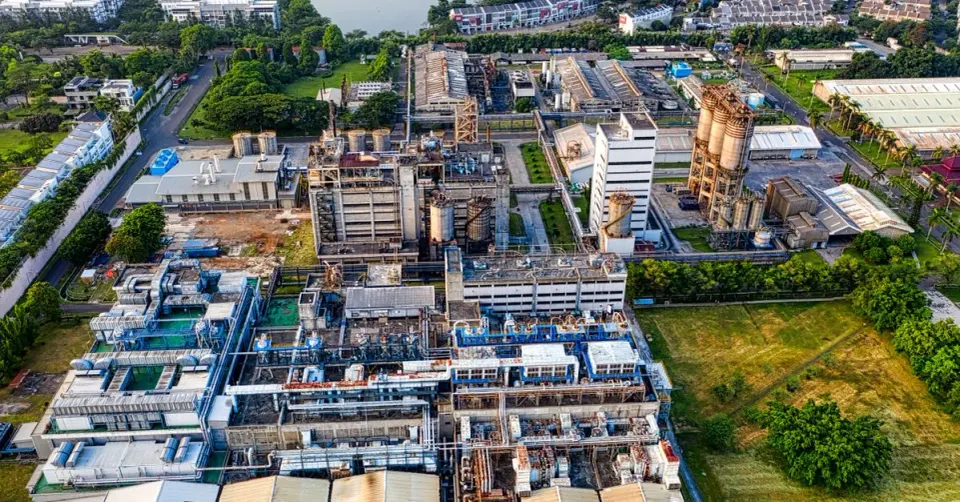
Nigeria's Dangote Refinery has extended its Initial Public Offering (IPO) until October 27, 2026, a move prompted by immense popular demand. This extension underscores the significant interest in the refinery, which has rapidly transformed Nigeria's domestic fuel market and is now poised to become a major regional hub for refining and petrochemicals, serving both African and European markets. The successful IPO reflects growing investor confidence in the refinery's capacity to meet surging energy demands.
This extension comes amidst a turbulent global energy landscape, particularly exacerbated by the ongoing conflict in the Middle East and the associated threat of a Strait of Hormuz closure. Such geopolitical tensions have already led to a surge in global crude prices and concerns over supply shortages. In this context, African and European countries are increasingly looking for alternative, reliable sources of refined products, making Dangote Refinery a strategically vital asset. Its ability to provide stability in fuel supply offers a crucial hedge against regional instabilities and disruptions to traditional shipping routes.
For global energy markets, and implicitly for countries like Iran that are deeply intertwined with these dynamics, the Dangote Refinery's expansion signals a diversification of supply chains and a potential shift in regional energy power. As the world seeks to de-risk its reliance on volatile regions, new refining capacities in stable areas become critical. This development could reduce the leverage of traditional oil-exporting nations in certain markets, and for Iran, it highlights the ongoing global efforts to secure energy supplies independent of Persian Gulf routes, which could impact future crude demand and pricing dynamics for Iranian oil.
UK Government Apologizes for Decades of Stillborn Burials
The UK government has issued a "profound apology" for the deeply distressing practice of burying stillborn babies in mass, unmarked graves between the 1930s and 1980s. Health Secretary Yvette Cooper acknowledged the "unthinkable pain" caused to countless parents who, for decades, were left without knowledge of their babies' resting places. This formal apology follows years of campaigning by affected families, including a woman from Wirral, seeking recognition and redress for these historical injustices.
This apology is the culmination of sustained advocacy by parents who suffered unimaginable loss and were then further traumatized by the inhumane and disrespectful handling of their deceased infants. The practice, rooted in outdated medical and social norms, denied families the fundamental right to grieve and honor their children. The public acknowledgment and apology are essential steps in confronting a painful chapter of social history, aiming to provide a measure of closure and validate the experiences of those affected, preventing such practices from recurring.
While seemingly a localized social issue, the UK government's apology carries broader implications concerning state accountability, human rights, and the handling of historical injustices. It underscores the universal importance of transparency, respect for human dignity, and the right to proper burial practices, which resonate across cultures and nations, including Iran. For Iranian readers, this story can highlight the significance of governmental responsibility in acknowledging past wrongs and the power of civic activism in compelling states to address societal grievances, regardless of the geographic context. It also implicitly touches upon how societies reckon with difficult truths and provide solace to those who have suffered at the hands of institutional failures.
Bank of America Faces Profit Miss and Hefty $1.2 Billion Fine
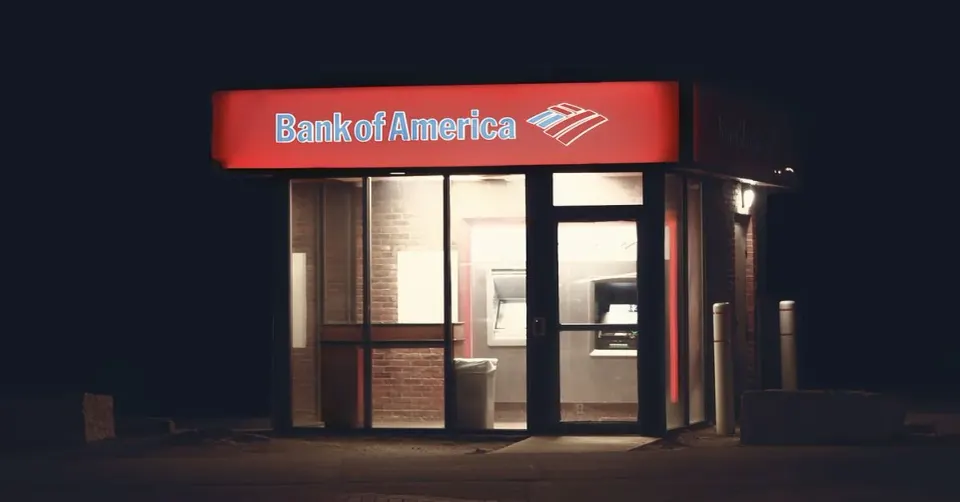
Bank of America's stock experienced a decline following a disappointing earnings report that included a profit miss, compounded by the announcement of a substantial $1.2 billion government fine. This dual blow to one of America's largest financial institutions has raised concerns among investors and analysts about the bank's operational performance and regulatory compliance in a challenging economic environment. The fine, specifically, points to past regulatory lapses that are now coming to fruition.
The profit miss can be attributed to a combination of factors, including tightening margins in a competitive lending landscape, increased provisions for potential loan losses amidst economic uncertainties, and possibly higher operational costs. The significant government fine, meanwhile, stems from regulatory actions related to undisclosed issues or past misconduct, signaling a stricter enforcement posture from financial watchdogs. This confluence of internal performance issues and external regulatory pressure has created a challenging quarter for the banking giant, impacting its market valuation and investor confidence.
For the broader markets and global economy, particularly for Iranian readers monitoring international financial stability, Bank of America's struggles signal potential headwinds for the US banking sector. A profit miss from a major bank can indicate broader economic slowdowns or increased financial risk, influencing global investor sentiment and potentially impacting currency valuations like the USD. The hefty fine also reinforces the idea that regulatory scrutiny remains high, potentially leading to increased compliance costs across the industry. This could indirectly affect the perceived stability of global financial assets and influence inflation expectations, with the USD having moved from 259,800 to 263,000 (+1.2%) against the Toman in the last 24 hours, and Gold 18k/gram rising from 25,712,175 to 26,056,142 (+1.3%).
Oman Overtakes US as India's Top LNG Supplier
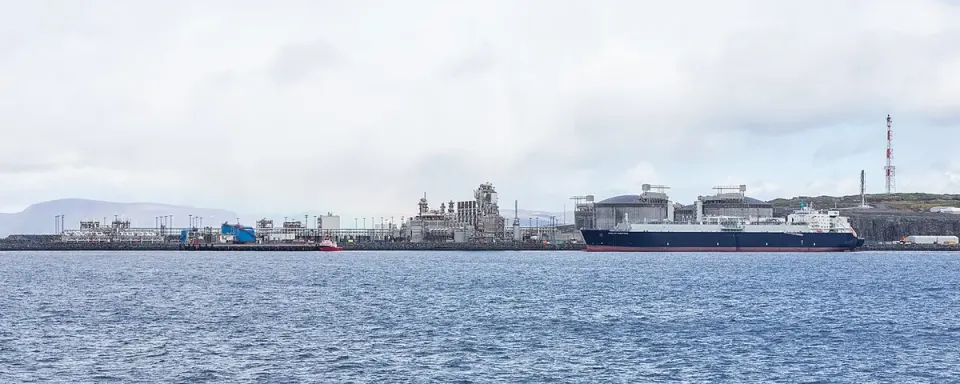
Oman has emerged as India's single largest supplier of Liquefied Natural Gas (LNG) in September, displacing the United States from the top spot it had held for several months. This significant shift in energy trade dynamics highlights a realignment in global LNG supply chains, with major implications for energy security and regional trade relations. The change underscores how quickly market forces and geopolitical events can reshape established energy partnerships.
The primary driver behind Oman's ascendancy is the intensifying competition for U.S. LNG, primarily from European buyers. With historically low gas storage levels across the EU ahead of winter, European nations have been aggressively snapping up American cargoes, leveraging favorable arbitrage economics. This increased European demand has reduced the availability of U.S. LNG for Asian markets like India, creating an opportunity for regional suppliers such as Oman to fill the void. The context of "Iran war" mentioned in the source also implicitly suggests a broader regional instability that encourages diversification of energy sources and suppliers.
For Iran and the wider Middle East, Oman's rise as a key LNG supplier to India signals a dynamic and competitive regional energy market. As global energy demand continues to shift towards Asia, and as European energy security concerns intensify, the strategic importance of regional gas producers like Oman grows. This could lead to increased investment in LNG infrastructure in the Gulf, potentially altering geopolitical alignments and trade routes. For Iran, which possesses vast gas reserves but faces sanctions, such shifts underscore the missed opportunities in global energy trade and the imperative for stable regional energy policies to capitalize on its own potential. The global energy market remains highly sensitive to geopolitical events, influencing prices and supply routes worldwide.
Market Snapshot: Toman Under Pressure, Gold and Coin Rise
Today's market snapshot reveals continued pressure on the Iranian Toman, with the USD selling at 263,000 Toman, marking a significant increase from 259,800 Toman (+1.2%) over the past 24 hours. Concurrently, traditional safe-haven assets have seen notable gains. Gold 18k per gram moved from 25,712,175 Toman to 26,056,142 Toman (+1.3%), while the Emami coin experienced a substantial jump, rising from 258,000,000 Toman to 268,500,000 Toman (+4.1%). Bitcoin, meanwhile, is trading at 83,306 USD.
The depreciation of the Toman and the corresponding rise in gold and coin prices reflect ongoing domestic economic anxieties coupled with global uncertainties. Inflationary pressures within Iran, often fueled by liquidity growth and a lack of clear economic direction, drive individuals to convert their savings into more stable assets. Geopolitical tensions, particularly those impacting global energy markets as discussed with the Dangote refinery and Oman's LNG exports, contribute to a broader sense of instability that pushes investors towards tangible assets like gold. The significant rise in Emami coin indicates strong local demand for a traditional store of value.
For Iranian households and investors, these market movements signal a continued erosion of purchasing power for Toman-denominated savings and a persistent flight to assets perceived as hedges against inflation and currency depreciation. The rapid increase in Emami coin, in particular, suggests a heightened sense of urgency among the populace to protect wealth. These trends highlight the critical need for robust economic policies to stabilize the national currency and build confidence in the domestic financial system, mitigating the impact of both internal pressures and external geopolitical shifts on everyday citizens.
Watch
Dangote refinery extends IPO: Plant has reshaped Nigeria's fuel market • FRANCE 24 English
FRANCE 24 English
Frequently Asked Questions
What is the significance of the Dangote Refinery IPO extension for global energy markets?
Why did the UK government apologize for stillborn burials, and what does it mean universally?
What are the implications of Bank of America's profit miss and $1.2 billion fine?
How does Oman becoming India's top LNG supplier affect regional energy dynamics?
What do the recent movements in USD, Gold, and Emami coin prices in Iran indicate?
Strategic Chokepoints: The Strait of Hormuz and Global Energy Security
Global energy markets are incredibly complex, reliant on vast networks of production, transportation, and consumption. Within this intricate system, certain geographical locations stand out as "strategic chokepoints" – narrow channels or passages that are critical for the transit of large volumes of energy resources, particularly oil and natural gas. Understanding these chokepoints is essential for grasping the geopolitics of energy, as any disruption can have immediate and far-reaching global consequences.
Among these vital chokepoints, the Strait of Hormuz holds unparalleled significance. This narrow waterway connects the Persian Gulf to the Arabian Sea and beyond, serving as the sole maritime passage for a substantial portion of the world's crude oil and liquefied natural gas (LNG) exports. Countries like Saudi Arabia, Iran, Iraq, Kuwait, Qatar, and the UAE depend on this strait to ship their energy resources to global markets, making it a linchpin for global supply.
The sheer volume of energy passing through the Strait of Hormuz – often accounting for over 20% of the world's total petroleum consumption – means that even minor tensions or threats of closure can send shockwaves through international oil prices. Geopolitical rivalries, regional conflicts, or acts of piracy in or near the strait can lead to significant supply disruptions, impacting everything from gasoline prices at the pump to the stability of energy-dependent economies worldwide. Its strategic importance makes it a frequent focal point of international diplomacy and military presence.
The vulnerability associated with such chokepoints drives nations and energy companies to seek diversification strategies, including developing alternative pipelines, investing in new production capacities (like the Dangote Refinery in Nigeria aiming to meet regional demand), and exploring different energy sources. The ongoing "global energy shifts" are, in part, a response to the inherent risks posed by reliance on these critical, yet often volatile, transit points, highlighting the constant interplay between geography, economics, and international security.
Topics
Related Articles