EU Warns Populism Looms Amid Energy Crisis as Iran Attacks Threaten Hormuz Oil Exports; Toman, Gold Rise
هشدار اتحادیه اروپا درباره پوپولیسم در بحبوحه بحران انرژی؛ حملات ایران صادرات نفت هرمز را تهدید میکند؛ افزایش دلار و طلا
European officials are sounding the alarm that persistent high energy prices could fuel populist movements across the continent, while escalating Iranian drone attacks on commercial shipping in the Strait of Hormuz are slowing tanker traffic and threatening global oil supplies. Domestically, the Iranian Toman and gold prices edged higher amid these regional and international uncertainties. Meanwhile, UK politics grapples with escalating Ukraine tensions and internal party disputes.
At time of publishing
USD
266,800
Toman
Gold 18K
26.24M
Toman / gram
Bitcoin
$81,025
US Dollar
Tether
266,560.147
Toman
Europe's Energy Crisis and the Spectre of Populism
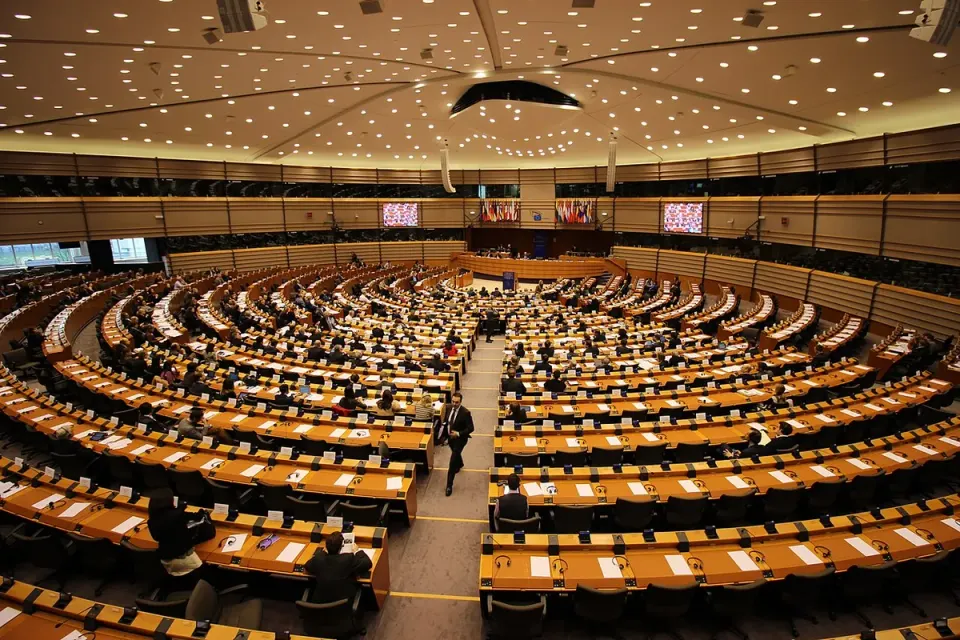
European Union officials are increasingly concerned that the continent's ongoing energy crisis, marked by persistently high prices, could open the door for populist movements to gain significant traction. Dan Jørgensen, an EU Commissioner, explicitly warned that governments might need to subsidize fossil fuels in the short term to alleviate the cost of living burden on citizens, suggesting the depth of the challenge. This concern is amplified by recent incidents in the Black Sea, where suspected Russian drones have reportedly struck several vessels off Romania and Bulgaria, highlighting the precariousness of energy supply routes and the broader spillover effects of the Ukraine war.
The implications of a politically unstable Europe, fueled by economic hardship, extend far beyond its borders. For the global economy, and by extension, for nations like Iran, a fractured Europe could mean reduced demand for commodities, increased market volatility, and a general cooling of international trade. The urgency of the EU's message underscores a critical juncture where economic strain directly translates into geopolitical risk, potentially influencing global policy decisions and international cooperation on various fronts, including sanctions and regional stability efforts.
Iranian Ship Attacks Threaten Middle East Oil Exports
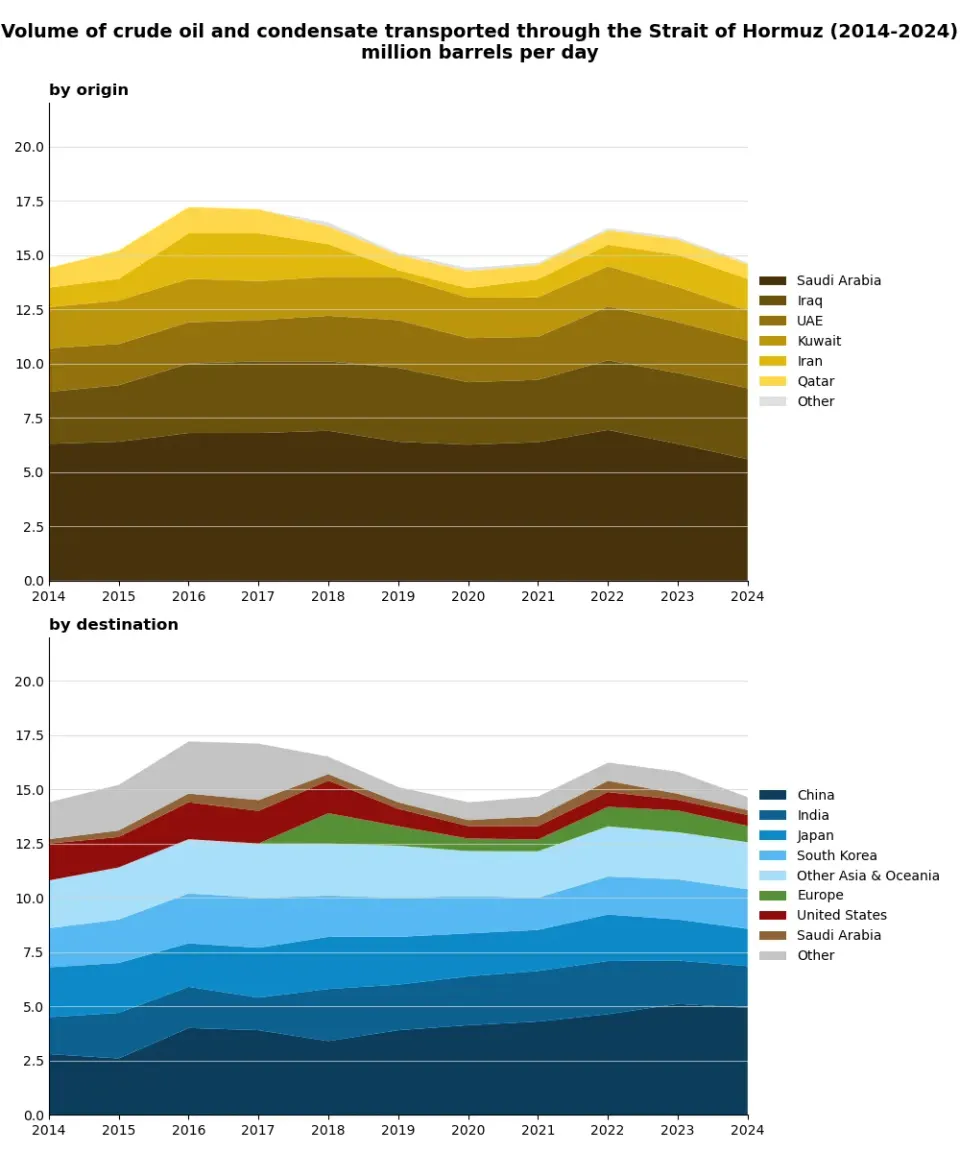
A significant escalation in regional tensions has been reported with a surge in Iranian drone attacks on commercial ships, particularly in the critical Strait of Hormuz. Reports indicate at least 24 attacks this month, including two Emirati container ships allegedly struck and sunk. This aggressive posture has directly impacted tanker traffic, with crude and petroleum-product flows exiting the Gulf of Oman reportedly dropping to 9.1 million barrels a day over the past few days, a notable decrease from the weekly average of 13.5 million barrels.
These actions are not merely isolated incidents but represent a direct threat to the stability of Middle Eastern energy exports, a lifeline for the global economy. The Strait of Hormuz is one of the world's most vital choke points for oil transit, and any disruption there sends ripples through international markets, driving up crude oil prices and exacerbating inflationary pressures worldwide. For Iran, such a strategy, while potentially aimed at asserting regional influence or signaling defiance, carries the severe risk of further international isolation, stricter sanctions, and heightened military confrontation, all of which would profoundly impact its already strained economy and the daily lives of its citizens.
Global Geopolitics: Ukraine Tensions and UK Political Shifts
Geopolitical tensions surrounding Ukraine continue to simmer, with UK Defence Secretary Wes Streeting reportedly meeting US officials amidst escalating concerns. This comes as Labour, the UK's opposition party, has issued a directive to its local councils to terminate power-sharing agreements with Green Party partners who do not condemn a controversial motion labeling "Zionism is Racism." This internal political wrangling highlights the complex interplay between domestic policy, foreign relations, and ideological divides within Western democracies.
While seemingly disparate, these events collectively paint a picture of a volatile global landscape. The ongoing conflict in Ukraine continues to shape global energy markets, defense spending, and the broader geopolitical alignment of major powers. For Iran, these dynamics are crucial; Western unity or disunity in confronting perceived threats can influence the efficacy of sanctions, regional alliances, and the overall appetite for diplomatic engagement. The UK's internal political struggles, though domestic, reflect broader societal debates that can impact a nation's foreign policy coherence and its role on the international stage, indirectly affecting global stability and trade.
Iranian Markets Respond to Regional and Global Headwinds
Amidst the backdrop of escalating regional tensions and global economic uncertainty, Iran's currency and commodity markets saw modest upward movement. The US Dollar (USD) against the Iranian Toman rose from 265,200 to 266,800, marking a +0.6% increase over the last 24 hours. Similarly, the price of 18-karat gold per gram climbed from 26,136,940 Toman to 26,240,823 Toman, a +0.4% change, while the Emami coin experienced a +0.7% rise, moving from 268,000,000 Toman to 270,000,000 Toman.
This upward trend in hard assets reflects a common response to perceived instability, both domestically and internationally. Investors and the public often seek refuge in gold and foreign currency as a hedge against inflation and economic uncertainty. The increase in the USD/IRR exchange rate suggests continued pressure on the Toman, driven by a combination of internal economic challenges and the external geopolitical environment, including the impact of sanctions and the regional security situation. These market movements underscore the direct economic consequences of geopolitical events for the average Iranian citizen, as the value of their savings and purchasing power remain highly susceptible to global and regional developments.
Frequently Asked Questions
What is the primary concern raised by the EU Commissioner regarding energy prices?
How have Iranian actions impacted Middle East oil exports?
What were the key market movements in Iran today?
What is the significance of the UK's political developments mentioned?
How do global and regional events affect the average Iranian citizen?
Understanding Populism: How Crises Fuel its Rise
Populism, a political approach that appeals to "the common person" who feels disregarded by entrenched elite groups, often gains traction during times of crisis and uncertainty. It typically involves charismatic leaders who claim to represent the general will of the people against a corrupt or out-of-touch establishment, offering seemingly simple solutions to complex problems. While not inherently good or bad, populist movements are characterized by a strong emphasis on national sovereignty, a skeptical view of globalization, and a tendency to frame political issues in terms of "us vs. them."
Economic hardship and perceived threats are significant catalysts for the rise of populism. When citizens face rising costs of living, unemployment, or a sense of economic insecurity—such as those brought on by an energy crisis—they become more receptive to narratives that blame external forces or internal elites for their struggles. Similarly, geopolitical instability, like threats to vital trade routes or energy supplies, can heighten nationalistic sentiments and a desire for strong leadership, which populist figures are often quick to capitalize on.
The current European context, as highlighted by the EU's warnings, exemplifies this dynamic. An ongoing energy crisis, exacerbated by global supply chain issues and geopolitical tensions affecting critical oil export routes like the Strait of Hormuz, directly impacts household budgets and industrial output. This economic strain can foster widespread discontent and a feeling that traditional political parties are failing to address the public's immediate needs, creating fertile ground for populist parties to promise radical change, protectionist policies, and a return to national self-reliance.
Understanding populism is crucial because its rise can lead to significant shifts in domestic policy, international relations, and economic strategies. Populist governments may pursue policies that prioritize national interests over international cooperation, potentially leading to trade wars, withdrawal from multilateral agreements, or increased protectionism. These actions can have profound implications for global markets, energy security, and the stability of the international order, affecting everything from trade flows to currency valuations and commodity prices.
Topics
Related Articles