Political Earthquake: Ex-DUP Leader Donaldson Jailed 15 Years as Global Markets Brace for S&P 500 Warnings
زمینلرزه سیاسی: رهبر سابق DUP به ۱۵ سال زندان محکوم شد؛ بازارهای جهانی در انتظار هشدارهای S&P 500
A major political scandal rocks Northern Ireland as former DUP leader Jeffrey Donaldson receives a 15-year sentence for child sexual abuse, sending ripples through governance debates. Meanwhile, market veterans warn of an irrational S&P 500, and oil transfers surge off India's coast, impacting global energy flows. The Toman and gold markets also saw modest gains.
At time of publishing
USD
266,900
Toman
Gold 18K
26.26M
Toman / gram
Bitcoin
$80,769
US Dollar
Tether
267,152
Toman
Political Earthquake: Ex-DUP Leader Jeffrey Donaldson Jailed 15 Years
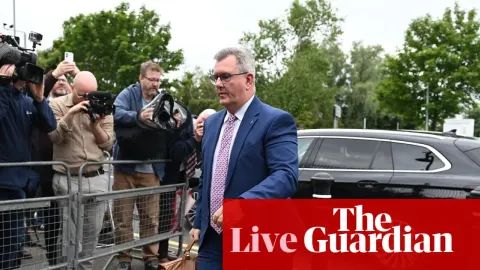
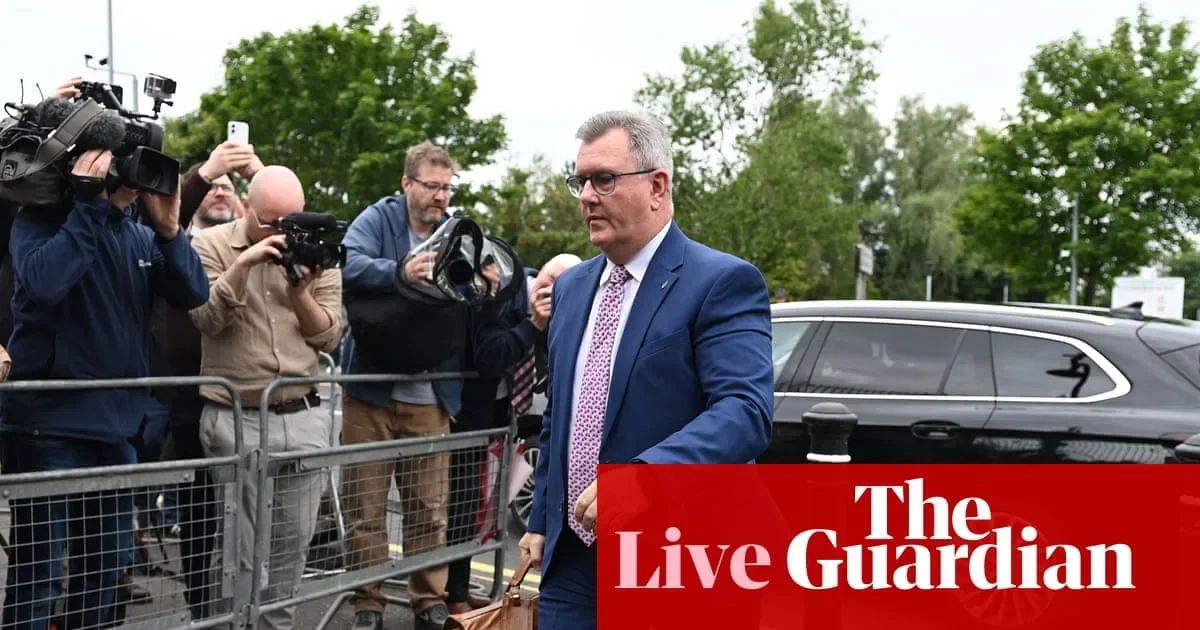
A significant political scandal has rocked Northern Ireland, as former Democratic Unionist Party (DUP) leader Jeffrey Donaldson was sentenced to 15 years in prison for child sexual abuse. This development follows a four-week trial where a jury found Donaldson guilty, while also determining that his wife, Eleanor, aided and abetted his offenses. Donaldson, aged 60, was deemed unfit to stand trial on mental health grounds, leading to a trial of the facts that tested the evidence, ultimately confirming his culpability despite not resulting in a direct criminal conviction. The DUP has swiftly disowned its former leader, condemning his crimes, but now faces a growing backlash amid allegations that the party may have overlooked other instances of misconduct by Donaldson, including drunkenness and sexual harassment.
This high-profile conviction of a prominent political figure sends a chilling message about accountability and the erosion of public trust in governance. Donaldson was once a towering figure in Northern Irish politics, instrumental in peace processes and a key voice for unionism. His spectacular fall from grace not only damages the DUP’s standing but also raises broader questions about the vetting and oversight mechanisms within political parties globally. Such scandals, while geographically specific, resonate universally, highlighting the critical importance of integrity in leadership and the devastating impact when it is betrayed.
For Iranian readers, while the direct financial or geopolitical impact may seem distant, the underlying themes of political integrity, public accountability, and the consequences of moral failings in leadership are acutely relevant. Societies worldwide, including Iran, grapple with questions of transparency and trust in their institutions. The Donaldson case serves as a stark reminder that when those in power are exposed for grave misconduct, it can deeply undermine public confidence in the entire political system, potentially affecting social cohesion and even indirectly influencing long-term stability and investment perceptions.
S&P 500 Warnings Mount as Toman Sees Modest Gains
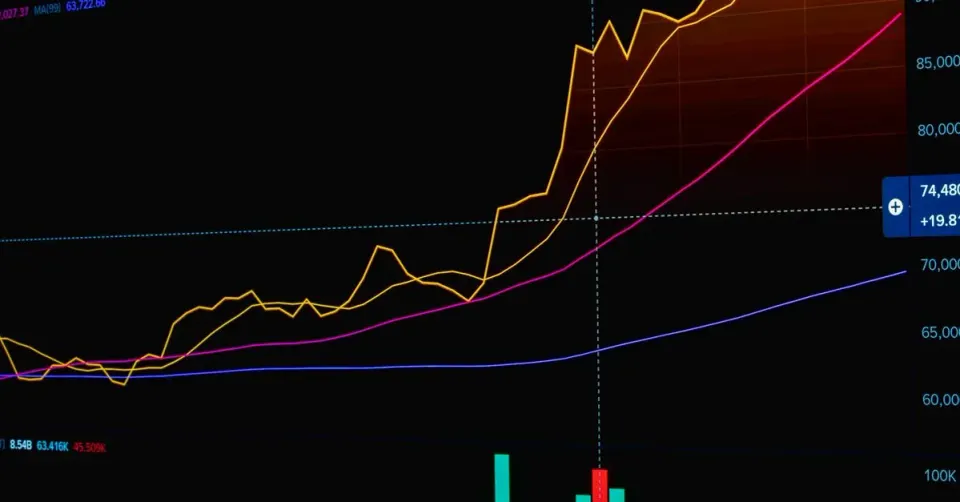
Amid a record-chasing S&P 500, a 30-year market veteran, Steven Jon Kaplan, has voiced alarm, describing the current stock market as "completely irrational." Kaplan's concerns highlight a growing sentiment among some analysts that the market's bullish trajectory may be detached from underlying economic fundamentals, suggesting that investors might be ignoring safer, more prudent investment avenues. This cautious outlook comes as the US economy remains a significant focal point, with new polls revealing voters' deepening concern about the state of the economy and the cost of living ahead of the crucial midterm elections – a development that presents "bad news" for former President Donald Trump as he campaigns.
The disconnect between a seemingly robust stock market and persistent economic anxieties among the populace underscores the complex dynamics at play in the global financial landscape. As the US grapples with voter disenchantment over economic conditions, the implications for policy and investor confidence are substantial. For international markets, including Iran, such signals from major global economies often trigger a ripple effect. Local currency and commodity markets react to shifts in global risk appetite and economic sentiment.
In the Iranian market, the USD saw a modest appreciation against the Toman over the last 24 hours, moving from 265,200 to 266,900, marking a +0.6% increase. This upward movement suggests a continued demand for foreign currency, often driven by inflation concerns and a search for value preservation. Concurrently, precious metals also registered gains, with the Emami coin rising from 268,000,000 to 270,000,000 (+0.7%) and 18k gold per gram increasing from 26,136,940 to 26,259,291 (+0.5%). These movements indicate that gold and coins remain preferred hedges for many Iranian investors, particularly when global economic stability appears uncertain and domestic inflation pressures persist.
Oil Transfers Surge Off India's West Coast Amid Hormuz Overcrowding
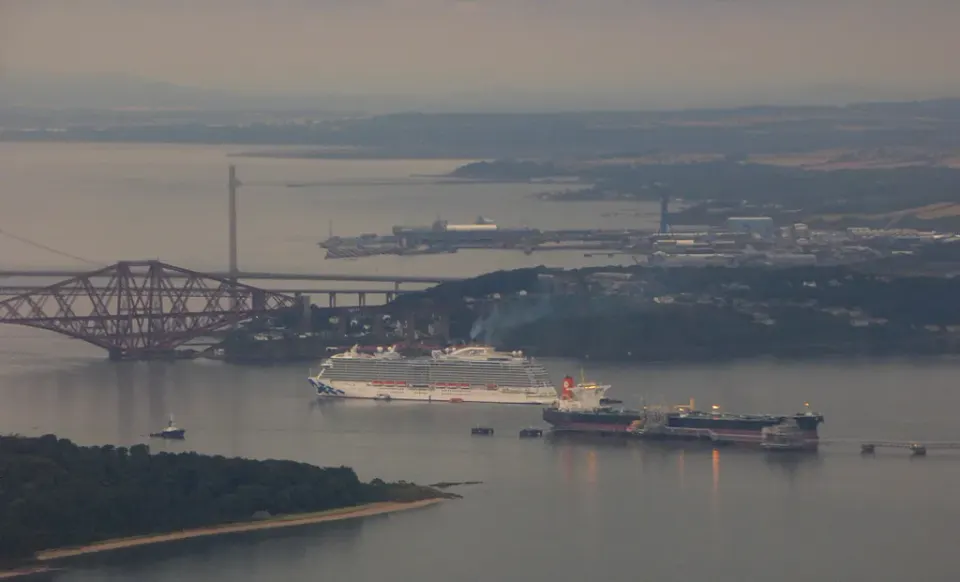
A significant shift in global oil logistics is underway, with ship-to-ship (STS) oil transfers surging dramatically off India’s West Coast. Data reveals that a staggering 82 cargoes, amounting to approximately 680,000 barrels per day (bpd), were transferred onto larger vessels in India's Gulf of Kutch in September alone. This expansion of STS operations into new territories, specifically facing the Arabian Sea and Gulf of Oman, is a direct consequence of the increasing overcrowding in traditional transfer zones located outside the Strait of Hormuz. The sheer volume of oil needing to flow out of the Persian Gulf is pushing operations to find alternative, less congested maritime spaces.
This surge in STS activity highlights the immense pressure on global oil supply chains and the constant need for innovative solutions to maintain the flow of energy. The Strait of Hormuz, a critical chokepoint, has long been a hub for such transfers, but its capacity is clearly being tested. The move to India's West Coast underscores the adaptability of the shipping industry in response to logistical challenges and geopolitical realities, ensuring that crude and refined products can reach global markets efficiently, even if it means extending the journey.
For the regional energy landscape and countries like Iran, this development carries multiple implications. While not directly linked to specific sanctions evasion, the expanded use of STS transfers in the broader Arabian Sea region could offer more flexibility and anonymity for oil movements. Iran, which frequently employs complex shipping strategies to navigate international sanctions and export its crude, might observe these evolving logistical patterns with keen interest. The increased activity in the Gulf of Kutch could potentially influence regional shipping dynamics, insurance costs, and the overall scrutiny of maritime traffic, impacting all oil producers and exporters in the Persian Gulf.
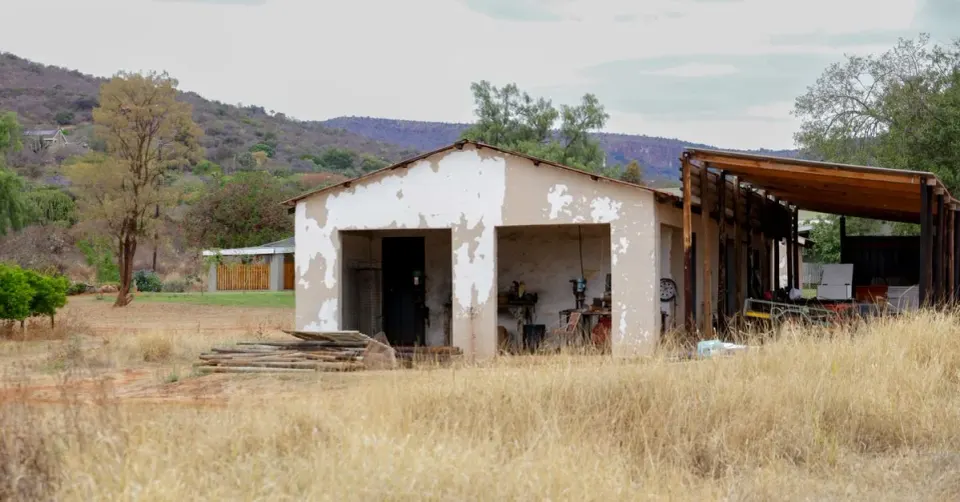
Tragic School Collapse in Pakistan Claims 33 Lives
A devastating incident in Peshawar, Pakistan, has claimed the lives of 32 children and one teacher after a school roof tragically collapsed. Dozens more individuals were reported injured in the catastrophic structural failure. Local officials quickly attributed the collapse to the dilapidated condition of the building, highlighting severe infrastructure deficiencies and a critical lack of maintenance that ultimately led to this horrific loss of life.
This tragedy serves as a stark and painful reminder of the urgent need for robust infrastructure development and stringent safety standards, particularly within public institutions like schools in developing nations. Across many parts of the world, aging and poorly maintained buildings pose a constant threat to public safety, and this incident brings into sharp focus the devastating human cost when such critical issues are neglected. The emotional toll on the community in Peshawar, and indeed across Pakistan, is immense, sparking widespread grief and calls for immediate action to prevent future occurrences.
Beyond the immediate humanitarian crisis, such events often trigger broader discussions about governance, resource allocation, and accountability in public services. For the wider region, the Peshawar collapse underscores the persistent challenges faced by many countries in providing safe and adequate public infrastructure for their populations. It may prompt international aid organizations and governments to re-evaluate and enhance support for infrastructure safety initiatives, while also pressuring local authorities to prioritize maintenance and construction standards to safeguard the lives of their most vulnerable citizens.
Watch
Former DUP leader Jeffrey Donaldson jailed for 15 years for historic child sex abuse
Sky News
Frequently Asked Questions
What was Jeffrey Donaldson sentenced for, and what are the implications for Northern Irish politics?
Why is a market veteran alarmed by the S&P 500, and how does this relate to the US economy?
What caused the surge in ship-to-ship oil transfers off India's West Coast, and what does it mean for global oil supply?
How did the Iranian Toman, gold, and Emami coin perform in the last 24 hours, and what factors influenced these movements?
What were the circumstances of the school roof collapse in Pakistan, and what does it highlight about infrastructure safety?
Understanding Political Risk and its Impact on Financial Markets
Political risk refers to the potential for political decisions, events, or instability to affect a business's profitability or the value of an investment. This risk isn't limited to dramatic coups or wars; it encompasses a broad spectrum of political developments, from changes in government policy, regulatory shifts, and trade disputes to social unrest, elections, and even high-profile political scandals. For investors, understanding political risk is crucial because it introduces an element of uncertainty that can directly influence asset prices and market sentiment.
When political risk rises, financial markets often react with increased volatility. Investors may become more cautious, leading to capital flight from perceived risky assets or regions. This can manifest as currency depreciation, a sell-off in stock markets (like the S&P 500 warnings mentioned), and shifts in commodity prices. For instance, political instability in an oil-producing region can drive up crude oil prices, while geopolitical tensions can prompt investors to seek safe-haven assets like gold, impacting its price in various currencies, such as the Gold Toman.
The recent jailing of a prominent political leader, as seen with the DUP scandal, exemplifies how domestic political events can create localized uncertainty, potentially affecting regional investment climates. More broadly, international political dynamics, such as those that might lead to "ship-to-ship oil transfers" (often associated with sanctions evasion) or influence exchange rates like USD/IRR, demonstrate how geopolitical tensions can have profound and direct impacts on specific national economies and their financial indicators, like the Emami coin price. Markets constantly attempt to price in these risks, reflecting future expectations of stability or disruption.
Ultimately, political risk is a pervasive force in global finance. While it's often difficult to predict with precision, investors, businesses, and policymakers must continuously monitor the political landscape. By assessing potential political disruptions and their economic ramifications, stakeholders can better anticipate market movements, adjust strategies, and navigate the complex interplay between politics and economics in an increasingly interconnected world.
Topics
Related Articles