Hormuz Oil Tanker Fire Rattles Shipping Amid Market Caution & Albanian Unrest; Starlink Under US Senate Scrutiny
آتشسوزی نفتکش در هرمز، بازارهای محتاط و ناآرامیهای آلبانی؛ استارلینک زیر ذرهبین سنای آمریکا
A burning oil tanker in the Strait of Hormuz raises fresh concerns over regional shipping security, while global markets remain wary despite recent corrections, as analysts advise caution. Meanwhile, violent anti-government protests in Albania add another layer of geopolitical instability to the world stage, and US senators demand a probe into Starlink restrictions in Ukraine.
At time of publishing
USD
264,700
Toman
Gold 18K
26.14M
Toman / gram
Bitcoin
$82,300
US Dollar
Tether
263,746
Toman
Iranian Navy Reports Oil Tanker Ablaze in Strait of Hormuz
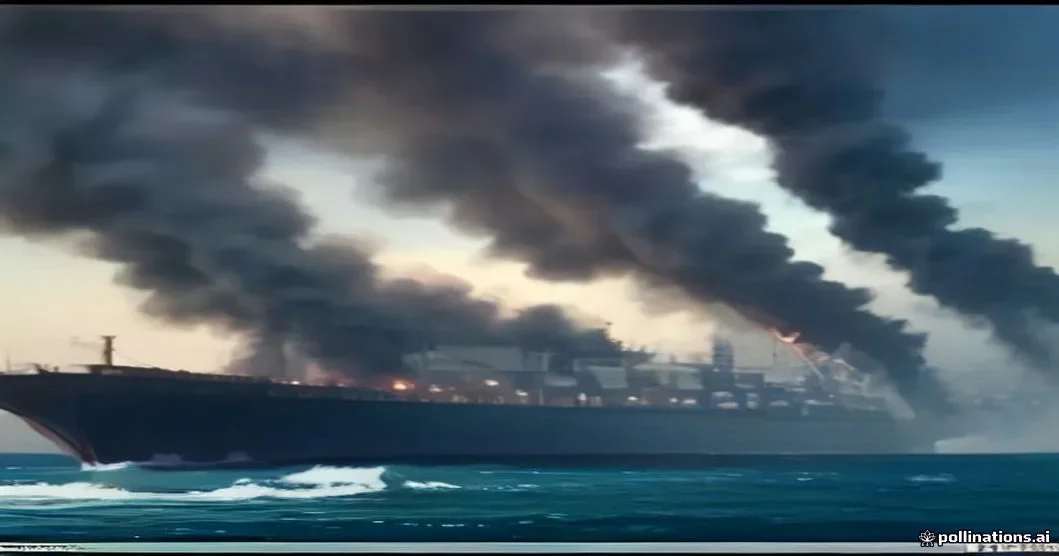
The Iranian Navy's surveillance teams have reported detecting an oil tanker ablaze in the eastern Strait of Hormuz, allegedly operating within a prohibited maritime zone. This incident, reported by IRNA, immediately draws international attention to one of the world's most critical chokepoints for global oil shipments, through which a significant portion of the world's crude oil passes daily. While specific details regarding the tanker's flag, cargo, and the precise cause of the fire remain unverified by independent sources, the occurrence in such a strategically sensitive area naturally sparks immediate concerns about maritime safety, environmental impact, and regional stability. This comes at a time when global energy supply remains a delicate balance.
This development carries significant implications for energy markets and international shipping, extending beyond the immediate danger. Any disruption or perceived threat in the Strait of Hormuz can send ripples across global oil prices, impacting supply chains and, consequently, consumer costs worldwide. For the Iranian economy, which heavily relies on oil exports despite sanctions, such incidents can complicate established trade routes, heighten insurance premiums for vessels traversing the region, and potentially influence currency fluctuations. Indeed, the Toman against the USD saw a slight decrease of 0.7% today, moving from 266,700 to 264,700, reflecting broader market sensitivities. The broader geopolitical context of the Strait, often a flashpoint for international tensions, means any such event is watched closely for its potential to escalate into a wider crisis.
Violent Protests Escalate in Albania's Capital
Albania's capital, Tirana, has witnessed a sharp and concerning escalation in anti-government protests, with recent demonstrations turning violent and drawing international scrutiny. What began months ago as the "Flamingo" movement, expressing widespread discontent with the current administration, has intensified dramatically this week, prompting alarm from international observers. Details emerging from BBC World indicate a significant and troubling shift in the nature of these protests, moving beyond peaceful assembly to direct confrontations with authorities, marking a new phase of civil unrest in the country.
The underlying causes for the unrest are multifaceted, reflecting deep-seated grievances among the Albanian populace. These include persistent allegations of governmental corruption, significant economic hardships, and broader concerns over governance and democratic processes. Such sustained and increasingly violent civil unrest in a European nation, even a smaller one like Albania, can have broader geopolitical implications, particularly for regional stability in the often-volatile Balkans. For observers in Iran and the wider Middle East, these events highlight the fragility of political stability and the potential for domestic discontent to spill over into larger crises, potentially influencing regional diplomatic postures or even refugee flows, though direct links to Iran are not explicitly detailed in this specific news update.
Wall Street Veteran Declares Stock Market "Crashed" Amidst Hidden Weakness
Despite the S&P 500's apparent record-chasing performance, a notable Wall Street veteran, Larry McDonald, posits that the stock market has, in essence, already crashed. This contrarian view, highlighted by MarketWatch, suggests that the headline indices mask a deeper malaise within the market, where numerous companies are experiencing significant declines in their individual stock values. McDonald argues that while a few mega-cap technology stocks might be artificially propping up the broader averages, the underlying market is suffering from what he terms a "rolling bear market," severely affecting a substantial portion of publicly traded companies and distorting the true picture of market health.
This perspective challenges the prevailing narrative of a robust bull market and strongly encourages investors to look beyond the surface-level metrics. For those navigating the current complex economic climate, particularly in regions like Iran where local market dynamics are often influenced by global sentiment, McDonald's analysis suggests a critical need for highly selective and discerning investment strategies. He points to specific opportunities, such as Nike, as an "ultimate turnaround trade," implying that substantial value can still be found in companies that have been unfairly beaten down but possess strong underlying fundamentals capable of future recovery. This approach advocates for a focus on resilient businesses rather than blindly chasing high-flying stocks, urging a fundamental shift in investment philosophy.
Bank of America Strategists Advise Continued Caution Despite Easing "Sell" Signal
Adding to the cautious sentiment pervading global financial markets, Bank of America strategists are strongly recommending investors remain in a "risk-off" posture, even though a key stock-market "sell" signal has recently been silenced. MarketWatch reports that while the October correction has indeed offered some welcome respite for bond markets and momentarily revitalized rate-sensitive sectors of the stock market, BofA firmly believes it is still premature to re-enter aggressive buying positions. Their advice underscores a lingering and pervasive uncertainty in the financial landscape, urging prudence and strategic patience rather than immediate exuberance.
The strategists attribute their conservative stance to a confluence of upcoming political and monetary policy events, specifically mentioning the critical midterms and the next Federal Reserve meeting. These events are seen as significant potential catalysts for further market volatility or substantial shifts in the economic outlook, making a wait-and-see approach advisable for prudent investors. For individual and institutional investors alike, this translates into a recommendation to prioritize capital preservation and maintain a diversified, defensive portfolio, especially as global economic indicators remain decidedly mixed. This cautious outlook resonates with the slight dips observed in local markets today, with gold 18k/gram decreasing by 0.3% to 26,139,249 Toman and Emami coin holding steady at 270,000,000 Toman, suggesting a broader reluctance to commit to high-risk assets amidst global uncertainties.
US Senators Demand Probe into Ukraine's Starlink Restrictions
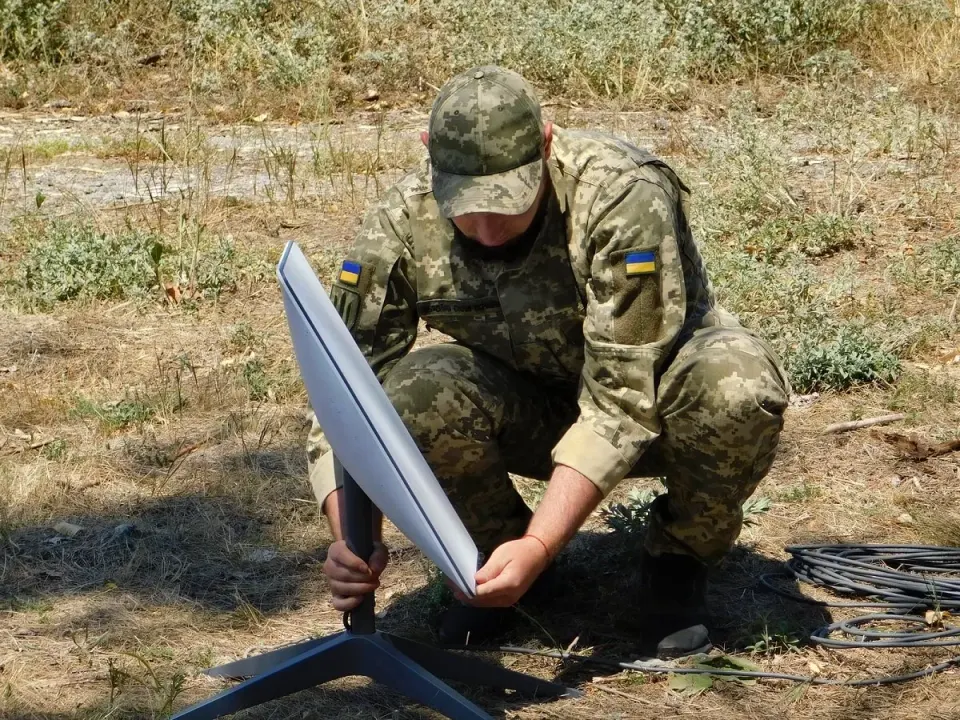
In a significant geopolitical development, US senators are calling for an urgent investigation into the reported restrictions on Ukraine's Starlink internet network, according to BBC World. Ukraine has claimed that temporary speed limits imposed on the satellite internet service severely disrupted its critical battlefield missions, raising concerns about the reliability and control of vital communication infrastructure in conflict zones. This demand for an investigation underscores the growing complexity of technology's role in modern warfare and the implications of private companies holding sway over national security assets.
The controversy highlights the dual-use nature of advanced technologies and the delicate balance between corporate autonomy and national interests, especially during wartime. For the US, a key ally of Ukraine, ensuring uninterrupted and secure communication for its partners is paramount. The senators' move suggests a push for greater oversight or clearer operational protocols for services like Starlink, particularly when they become indispensable to military operations. This incident could lead to new policy debates on how private tech companies operate in conflict zones, potentially influencing future defense contracts and international tech regulations, and adding another layer of uncertainty to the ongoing conflict.
Frequently Asked Questions
What is the significance of an oil tanker fire in the Strait of Hormuz?
How might the Strait of Hormuz incident affect global oil prices and the Iranian economy?
What are the 'Flamingo' protests in Albania about, and why are they turning violent?
Why does Wall Street veteran Larry McDonald believe the stock market has already crashed despite record highs?
What advice are Bank of America strategists giving investors regarding the current market?
The Strategic Significance of the Strait of Hormuz
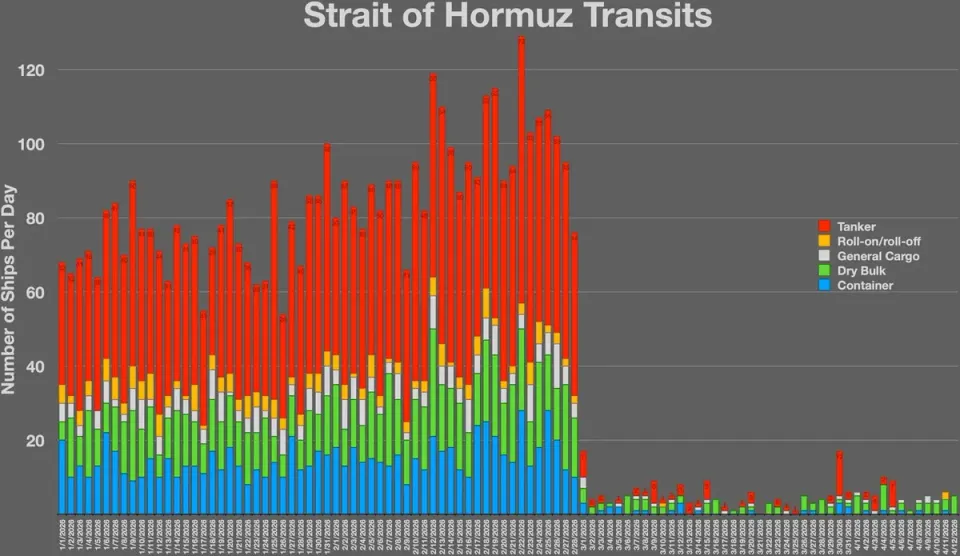
The Strait of Hormuz is arguably the world's most critical maritime choke point for oil transit, a narrow waterway connecting the Persian Gulf to the Arabian Sea and the broader Indian Ocean. For centuries, this strategic passage has been vital for trade, but its modern importance exploded with the discovery of vast oil reserves in the Middle East. Today, roughly one-fifth of the world's total petroleum consumption, and a substantial portion of its liquefied natural gas (LNG), passes through this strait daily, making it indispensable for global energy supply.
Its strategic value stems from its geography: at its narrowest point, the strait is only about 21 nautical miles (39 km) wide, with shipping lanes just two miles wide in either direction. This confined space makes it highly vulnerable to disruptions, whether from natural events, accidents like the tanker fire mentioned in the headline, or geopolitical tensions. Any significant blockage or threat to shipping in the Strait of Hormuz can send immediate shockwaves through global energy markets, leading to sharp spikes in oil prices and creating economic instability worldwide.
The security of the Strait is a constant concern for international powers, particularly those reliant on its energy flows. Countries bordering the Strait, most notably Iran and Oman, play crucial roles in its management and security. Iran, in particular, has historically asserted its capacity to disrupt shipping in the Strait in response to sanctions or perceived threats, underscoring the delicate balance of regional security. Understanding the Strait of Hormuz isn't just about geography; it's about grasping a fundamental pillar of global energy security and international relations.