Iran-Linked Hitman Jailed; PetroChina Profit Soars Amid Mideast Tensions
قاتل اجیر شده توسط باند ایرانی در بریتانیا به ۲۰ سال حبس محکوم شد؛ سود پتروشاینا افزایش یافت
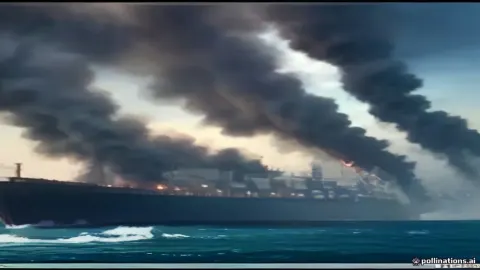
A Norwegian teenage hitman, hired by an Iran-backed crime syndicate, has been sentenced to 20 years in prison in the UK. Meanwhile, PetroChina's trading arm is poised for a record $3 billion profit, driven by escalating Middle East tensions and volatile global energy markets.
At time of publishing
USD
265,400
Toman
Gold 18K
26.10M
Toman / gram
Bitcoin
$81,918
US Dollar
Tether
263,598
Toman
Norwegian Hitman Jailed for Iran-Linked Plot
A Norwegian teenager, Johannes Kongsnes Natland, 19, has been sentenced to 20 years in prison in the UK for his role in a murder-for-hire plot orchestrated by an Iran-backed international crime gang. Natland was apprehended in Huddersfield with firearms and ammunition, having traveled from Norway with the intention of carrying out a targeted killing for a fee of €25,000. The case highlights the reach of transnational criminal networks and their alleged connections to state-sponsored entities, raising serious concerns about the security implications for European nations.
This conviction underscores the evolving nature of international crime and the sophisticated methods employed by these organizations. The involvement of an 'Iran-backed' syndicate, as reported, suggests a potential willingness by elements within or connected to Iran to utilize such groups for illicit activities abroad. While the specifics of the state backing remain under investigation, the sentencing serves as a stark reminder of the complex geopolitical landscape and the challenges law enforcement faces in dismantling these sophisticated operations. The implications extend beyond mere criminal justice, touching upon international relations and the potential for state actors to exert influence through proxy criminal enterprises.
---
PetroChina Trading Arm Eyes Record Profit Amid Geopolitical Turmoil
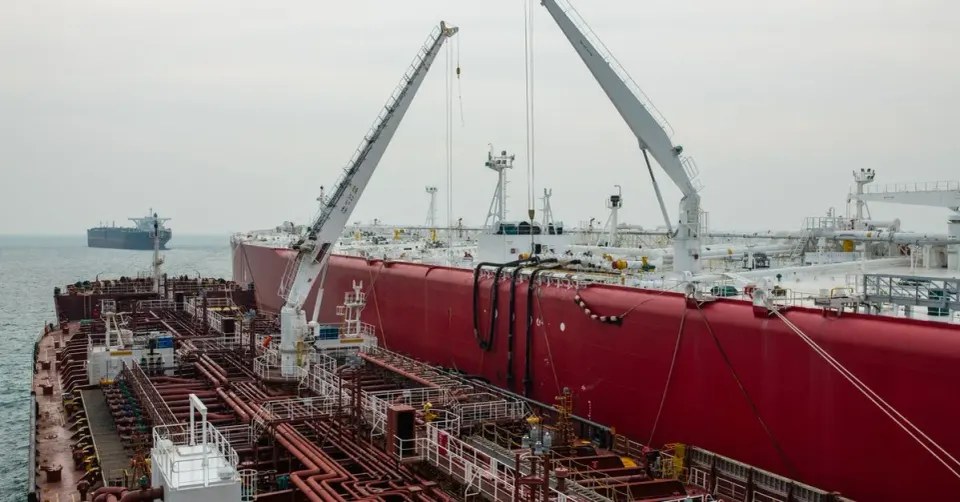
PetroChina International (PCI), the trading division of Asia's largest oil and gas producer, is on track to achieve a record gross trading profit exceeding $3 billion for 2026. This surge is directly attributed to the heightened tensions in the Middle East, which have significantly disrupted global fuel markets and shipping routes, leading to elevated crude prices. The volatile geopolitical climate has created lucrative opportunities for major energy traders who can navigate and capitalize on market dislocations.
The substantial profit forecast for PCI underscores how geopolitical instability, particularly in energy-rich regions, can translate into immense financial gains for well-positioned corporations. While specific trading profits are not typically disclosed by companies like PetroChina, industry sources indicate that the current market conditions, characterized by supply chain anxieties and price volatility stemming from the ongoing Iran conflict, are exceptionally favorable for trading operations. This situation highlights the intricate link between global security and the profitability of major energy players, with significant implications for energy security and pricing worldwide.
---
China's Gas Stocks Ease Winter Concerns Amid Global Energy Squeeze
China's proactive efforts in building substantial liquefied natural gas (LNG) stockpiles have positioned it favorably to navigate potential winter supply challenges, according to industry analysts. By acting early to secure supplies amid the ongoing Iran-related energy market volatility, China has managed to fill its underground storage facilities to approximately 80% capacity by the end of September. This strategic move is expected to reduce its demand for spot LNG this winter, potentially offering some relief to other import-dependent nations in Asia and Europe struggling with high prices and fierce competition for resources.
The robust inventory levels in China offer a glimmer of stability in an otherwise precarious global energy market. As winter approaches and demand typically rises, the reduced purchasing pressure from the world's largest LNG importer could help temper price spikes and ease supply anxieties for other regions. This development is crucial for global energy security, demonstrating how major consumers' strategic actions can influence market dynamics and mitigate the impact of geopolitical disruptions on energy accessibility and affordability for a broader range of countries.
---
French MEP Links Trump to Iran War, Questions US Alliance
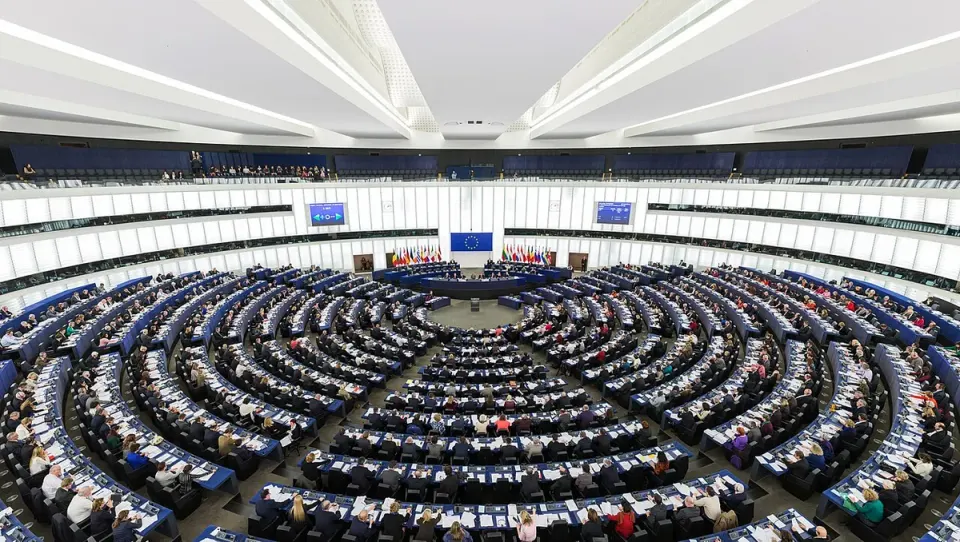
French Member of the European Parliament, Bernard Guetta, has sharply criticized former U.S. President Donald Trump, accusing him of lying about the causes of the Ukraine conflict and directly linking Trump's past actions to the war in Iran. Guetta stated that Trump's assertion that Ukrainian resistance was responsible for diesel prices was false, and instead blamed Trump for initiating the war. He further contended that a reduction in U.S. intelligence sharing weakens Ukraine's position against Russia, expressing dismay at what he perceives as U.S. policy benefiting Moscow.
Guetta's strong remarks highlight a significant geopolitical narrative emerging from Europe, questioning the reliability of the United States as an ally under potential future Trump leadership. The MEP's comments reflect a broader concern within European political circles about the potential for U.S. foreign policy shifts to destabilize international alliances and embolden adversaries like Russia. The accusation that Trump's past actions contributed to the Iran war, if substantiated, would carry profound implications for international relations and the ongoing global efforts to manage conflicts and maintain stability.
Frequently Asked Questions
What was the sentence for the Norwegian hitman?
What is PetroChina International's projected profit?
How has China's gas strategy impacted global markets?
What is the geopolitical significance of Bernard Guetta's remarks?
What was the 24-hour change in the USD/IRR exchange rate?
The Geopolitics of Energy: How Global Tensions Fuel Market Volatility
The seemingly disparate news of a jailed hitman linked to Iran and PetroChina's soaring profits, all "amid Mideast Tensions," highlights a crucial concept: the deep and often volatile interplay between geopolitics and global energy markets. Geopolitics refers to the influence of geographical factors (like resource distribution and location) on international relations and power dynamics. When this intersects with energy – the lifeblood of the global economy – even regional conflicts or political instability can have far-reaching economic consequences, directly impacting commodity prices and corporate bottom lines.
The mechanism is straightforward: the Middle East is a pivotal region for global energy supply, particularly oil and increasingly, natural gas (including LNG). Any perceived threat to the stability of this region, or to the security of its shipping lanes, immediately triggers concerns about potential supply disruptions. This uncertainty creates a "risk premium" in energy prices. Traders and investors, anticipating future shortages or higher costs, bid up the prices of crude oil, natural gas, and refined products. This speculative activity, combined with genuine concerns about supply chain vulnerabilities, can lead to rapid and significant price hikes.
For energy companies like PetroChina, a major player in the global oil and gas industry, such periods of heightened geopolitical tension can ironically translate into increased profitability. As global energy prices surge due to supply concerns, companies that are net producers, have diversified supply sources, or possess robust trading capabilities can capitalize on these higher market rates. While consumers and energy-importing nations grapple with elevated costs, these firms see their revenues and profit margins expand, demonstrating how instability in one part of the world can create economic advantages for entities positioned to navigate or benefit from the resulting market shifts.
This dynamic underscores the constant strategic importance of energy-rich regions and the ongoing efforts by nations to secure their energy supplies through various geopolitical maneuvers. Understanding this link is vital for comprehending not just daily headlines, but also the broader forces shaping international relations, economic policy, and the strategic decisions of governments and corporations worldwide.
Topics
Related Articles