Iran Names New Defense Minister; Bolivia Faces Gas Crisis; France Protests Escalate
ایران وزیر دفاع جدید معرفی کرد؛ بحران گاز بولیوی؛ اعتراضات فرانسه شدت گرفت
Iran's military leadership has endorsed a nominee for Defense Minister, signaling a potential shift in its defense posture. Meanwhile, Bolivia is grappling with a severe natural gas shortage due to years of underinvestment, and widespread protests are erupting across France over the rising cost of living.
At time of publishing
USD
263,500
Toman
Gold 18K
26.19M
Toman / gram
Bitcoin
$81,434
US Dollar
Tether
263,703
Toman
Iran Taps New Defense Minister Amid Regional Tensions
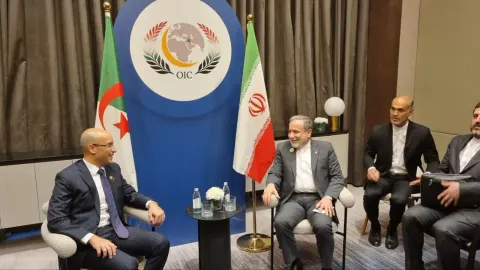
Major General Ali Abdollahi, Chief of Staff of Iran’s Armed Forces, has publicly endorsed the nomination of Mehrdad Akhlaqi for the position of Defense Minister. This endorsement, reported by IRNA, suggests a potential consolidation of leadership within Iran's military establishment. Akhlaqi's purported experience within the defense industry is cited as a key factor in his suitability for the role, indicating a focus on continuity and internal expertise in managing the nation's defense apparatus.
The appointment comes at a time of heightened regional complexities, with ongoing geopolitical maneuvers and economic pressures impacting Iran. While the specific policy implications of Akhlaqi's nomination are yet to be fully detailed, such a move typically signals the government's strategic priorities. For the Iranian populace, this news might influence perceptions of national security and stability, potentially affecting currency expectations and overall market sentiment, especially given the backdrop of international sanctions and regional rivalries.
---
Bolivia's Energy Crisis Deepens as Gas Reserves Vanish
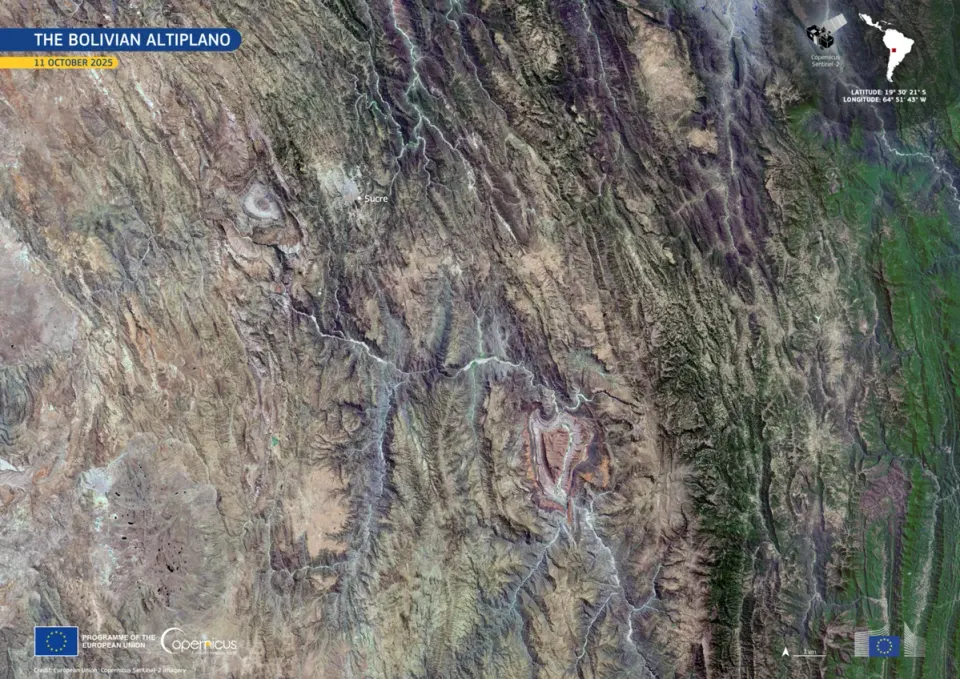
Bolivia is confronting a severe energy crisis as its natural gas reserves are reportedly running dry, a situation exacerbated by years of underinvestment in its vital energy sector. This depletion of resources threatens to destabilize the nation's economy, which has long relied on gas exports for revenue. The crisis is compounded by rising global energy prices, a phenomenon partly attributed to ongoing conflicts and geopolitical instability in regions like the Middle East, although the primary driver for Bolivia appears to be internal mismanagement and lack of foresight.
The situation traces back to past government policies, including then-president Evo Morales' nationalization of the fossil fuel industry in 2006. While this initially boosted public spending, it may have come at the cost of long-term sector development and exploration. The current administration faces immense pressure to address the deficit, which could lead to increased reliance on energy imports, further straining national finances and potentially fueling inflation. For global markets, Bolivia's energy woes, while localized, add another layer of uncertainty to an already volatile energy landscape, potentially impacting regional supply dynamics and investor confidence.
---
France Gripped by Protests Over Cost of Living
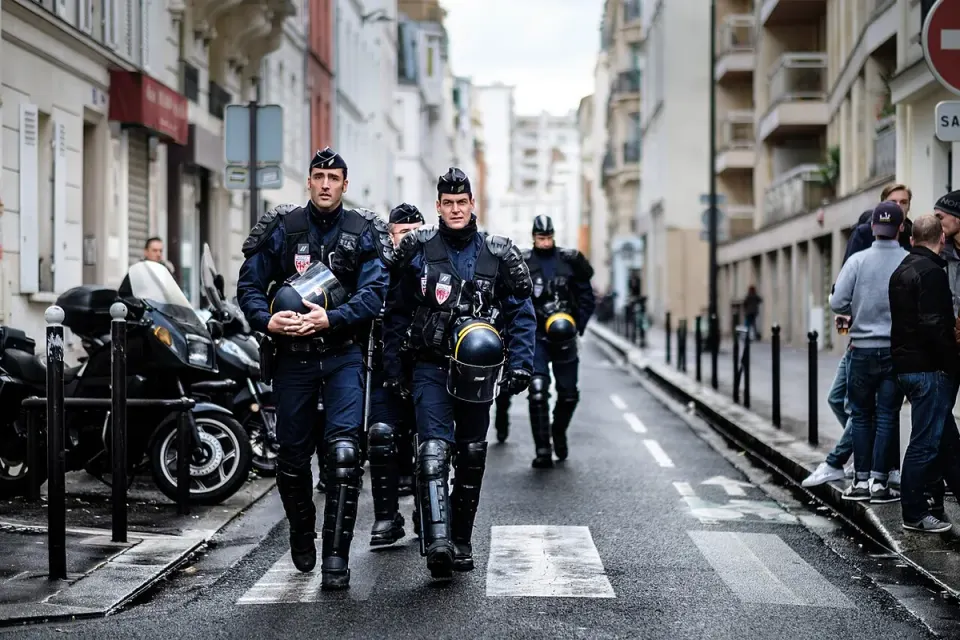
France is experiencing a surge in public unrest as widespread protests erupt across the country, fueled by escalating living costs and economic pressures. Reports from Paris indicate intense confrontations between demonstrators and law enforcement, with instances of tear gas and stun grenades being deployed as police attempted to control crowds. The demonstrations, which began early and are expected to continue, reflect a growing frustration among the populace with the current economic climate and government policies.
These protests highlight a broader European trend of public discontent driven by inflation and economic inequality. The immediate impact on French cities includes significant disruptions to daily life and potential damage to infrastructure, alongside heightened security concerns. For international markets, sustained social unrest in a major European economy like France can translate into economic uncertainty, affecting consumer confidence, tourism, and investment. The government's response and its ability to de-escalate the situation will be crucial in stabilizing the social and economic environment, with potential ripple effects on the euro and broader European financial markets.
---
Trump's Sanctions Policy Sparks Ukrainian Outcry
Ukrainian President Volodymyr Zelenskyy has sharply criticized Donald Trump's decision to pause sanctions against Russia, labeling it a "reward" for Vladimir Putin and warning that it will embolden the Russian leader. This move comes as Moscow has intensified its attacks on Ukraine's power infrastructure, aiming to cripple the nation before winter. Zelenskyy expressed concern that the US administration's overtures towards better ties and business deals with the Kremlin, coupled with the potential for further sanction rollbacks, could undermine international efforts to counter Russian aggression.
The Ukrainian president's strong reaction underscores the deep-seated concerns within Ukraine and among its allies regarding the impact of US foreign policy shifts on the ongoing conflict. Zelenskyy's call for Europe to establish its own independent negotiations with Moscow suggests a growing desire for European strategic autonomy in dealing with Russia, independent of US policy fluctuations. This geopolitical development has implications for global energy markets, as any perceived easing of sanctions on Russia could affect oil and gas prices, and for international relations, as it signals a potential divergence in Western policy towards Moscow, impacting risk appetite and investment flows worldwide.

Frequently Asked Questions
What is the significance of the new Defense Minister nominee in Iran?
Why is Bolivia facing an energy crisis?
What are the main drivers of the protests in France?
How might Trump's sanctions policy affect Ukraine?
Understanding Energy Security
When headlines speak of a nation facing a "gas crisis" or widespread "cost of living" protests, a fundamental concept often at play is Energy Security. At its core, energy security refers to the uninterrupted availability of energy sources at an affordable price. It's not just about having energy; it's about having enough, consistently, and at a cost that doesn't cripple households or industries.
True energy security encompasses several dimensions: physical availability of supply, the reliability of infrastructure to deliver it, economic affordability for consumers and businesses, and increasingly, environmental sustainability. A country like Bolivia, rich in natural gas, might still face a "gas crisis" if it lacks the infrastructure to extract, process, or distribute it efficiently, or if geopolitical factors disrupt supply chains. Such a crisis directly undermines its energy security, leading to shortages or price spikes.
The ripple effects of compromised energy security are profound. When energy sources become scarce or prohibitively expensive, the cost of living inevitably rises. This impacts everything from heating homes and fueling transportation to manufacturing goods and running businesses. High energy costs disproportionately affect lower-income households and can trigger widespread discontent, leading to social unrest and protests, much like those seen in France over general cost of living concerns, where energy prices are a significant component.
Ensuring energy security is a critical objective for governments worldwide, as it underpins economic stability, national security, and social well-being. It involves diverse strategies, including diversifying energy sources, investing in resilient infrastructure, fostering international cooperation, and developing domestic production capabilities. Understanding this concept helps us grasp the complex interplay between global energy markets, domestic policy, and the daily lives of citizens.
Topics
Related Articles