AI Gold Rush Sparks Desert Wars as Trump’s Russia Policy Shakes Global Alliances
جنگ بر سر غولهای هوش مصنوعی در کالیفرنیا و لرزه سیاستهای ترامپ بر پیکره ائتلافهای جهانی
A massive battle over California's largest AI datacenter highlights the global energy crisis, while Donald Trump's decision to roll back Russia sanctions triggers a walkout at the IMF and warnings from Ukraine.
At time of publishing
USD
263,000
Toman
Gold 18K
26.21M
Toman / gram
Bitcoin
$81,431
US Dollar
Tether
263,680
Toman
The AI Frontier: A Bitter Battle in the California Desert
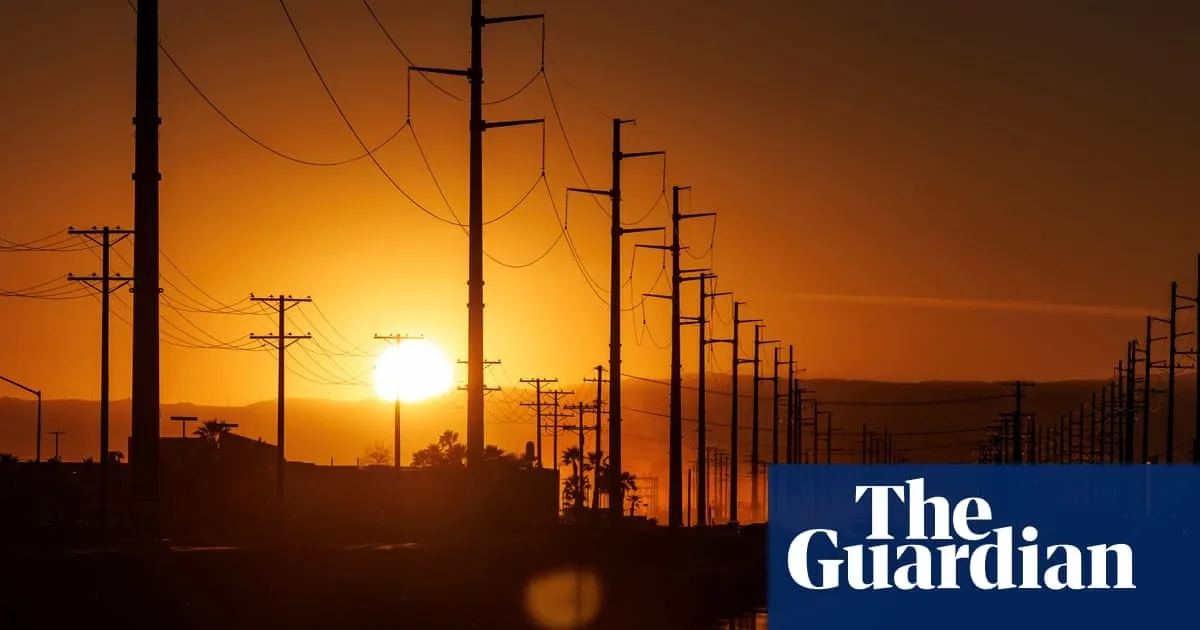
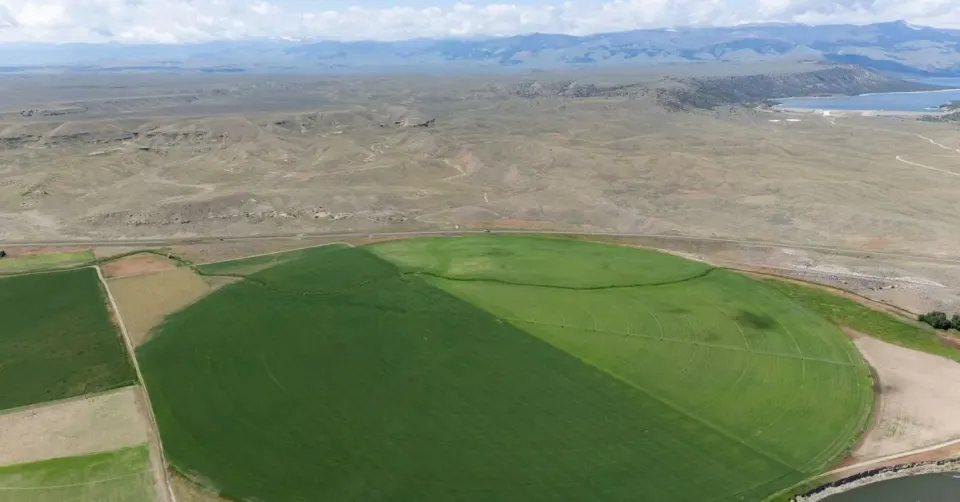
In the arid expanse of Imperial, California, a modern-day gold rush is unfolding, but the prize isn't precious metal—it's computing power. Sebastian Rucci, an ambitious developer, has sparked a fierce local conflict over his plans to build the state's largest artificial intelligence datacenter. The project, situated on a barren plot near the Mexican border, promises thousands of jobs and millions in tax revenue for a struggling rural community. However, the proposal has hit a wall of resistance from residents who fear the environmental toll. In a region where temperatures routinely exceed 100°F, the prospect of an energy-guzzling neighbor that requires massive amounts of water from the already beleaguered Colorado River has turned a business venture into a grassroots uprising.
This struggle in Imperial is a microcosm of a global dilemma. As AI giants like OpenAI and Meta race to deploy autonomous agents that can book reservations and buy shoes, the physical infrastructure required to sustain them is colliding with the realities of climate change and resource scarcity. For the people of Imperial, the promise of economic revitalization is weighed against the potential loss of their most precious resource: water. This tension highlights a growing trend where the digital ambitions of Silicon Valley are forced to negotiate with the physical limits of rural landscapes, creating a new form of geopolitical and social friction that will likely define the next decade of technological expansion.
Trump’s Russia Pivot and the IMF Walkout
The geopolitical landscape shifted dramatically this Saturday as Donald Trump’s administration moved to roll back energy sanctions on Russia. The decision has sent shockwaves through international corridors of power, leading to a dramatic scene at the International Monetary Fund (IMF) summit in Bangkok. Bank of England Governor Andrew Bailey, along with finance leaders from France, Germany, and the Baltic states, staged a coordinated walkout when the Russian finance minister, Anton Siluanov, began his address. This rare display of diplomatic defiance underscores the deep rift between the new US policy and the traditional European stance on the war in Ukraine.
Ukrainian President Volodymyr Zelenskyy has been vocal in his condemnation, labeling the lifting of sanctions as a "reward" for Vladimir Putin. He warned that this policy shift would only intensify the Kremlin’s aggression, particularly as Russia continues to target Ukraine’s power infrastructure ahead of the winter months. Zelenskyy’s plea for Europe to establish its own independent negotiations with Moscow suggests a fracturing of the Western alliance that has held firm since 2022. For global markets, this move introduces a new layer of uncertainty; while it may temporarily ease energy prices, the long-term cost of a destabilized Europe and a resurgent Russia remains a significant risk factor for investors.

Market Update: Toman Gains as Gold Stabilizes
On the domestic front in Tehran, the market showed signs of a mild correction during the 17:00 session on Saturday, October 17, 2026 (شنبه ۲۵ مهر ۱۴۰۵). The US Dollar experienced a slight decline, with the sell rate moving from 265,000 Toman to 263,000 Toman, marking a -0.8% decrease over the last 24 hours. This minor strengthening of the Toman suggests a temporary cooling of the recent volatility that has characterized the foreign exchange market. Traders are closely watching the evolving geopolitical situation, particularly the US-Russia sanctions pivot, which could have indirect implications for Iran's own energy export environment and regional standing.
The gold and coin markets followed a similar downward trend. The Emami coin dropped from 270,000,000 Toman to 267,000,000 Toman, a decline of -1.1%. Meanwhile, 18-karat gold remained virtually flat, moving from 26,213,121 Toman to 26,210,813 Toman per gram. In the cryptocurrency sector, Bitcoin (BTC) is trading at $81,431, maintaining its position near recent highs despite the broader global uncertainty. For Iranian investors, the relative stability of gold amid a slightly stronger Toman provides a moment of reprieve, though the underlying economic pressures of inflation and international isolation continue to dictate long-term strategy.
Regional Unrest and Sporting Triumphs
Beyond the financial markets, the region is witnessing significant social and diplomatic activity. In Tirana, Albania, violent clashes erupted between police and protesters, with security forces using tear gas and water cannons against crowds gathered outside the Ministry of Education. The protests, which include a large number of students, highlight growing domestic dissatisfaction in a country that has recently become a focal point for regional migration and security discussions. Meanwhile, on the diplomatic stage, Iranian Foreign Minister Abbas Araghchi reiterated that while Tehran remains open to dialogue based on mutual respect, it will not surrender its sovereign rights under external pressure, signaling a continued "resistance-first" approach to international negotiations.
On a more positive note for national morale, Iran’s U23 Greco-Roman wrestling team secured the world championship title in Las Vegas, USA. This victory in the 2026 championships has been widely recognized, with state officials offering congratulations to the athletes. While such sporting achievements provide a temporary sense of pride, they contrast sharply with the ongoing economic and social challenges faced by the Iranian public. The juxtaposition of international sporting success and domestic economic hardship remains a consistent theme in the current Iranian landscape, as the country navigates a complex web of sanctions, regional rivalries, and internal pressures.
Frequently Asked Questions
چرا لغو تحریمهای روسیه توسط ترامپ اهمیت دارد؟
دلیل اعتراضات به مرکز داده هوش مصنوعی در کالیفرنیا چیست؟
وضعیت بازار طلا و ارز در تهران چگونه است؟
Understanding Economic Sanctions: A Geopolitical Lever
Economic sanctions are a powerful, non-military tool of foreign policy, employed by one or more countries against another to compel a change in behavior. These measures can range from comprehensive trade embargoes to targeted restrictions on specific sectors, individuals, or entities. Their primary goal is often to exert economic pressure, making it costly for the targeted nation to continue policies deemed undesirable by the sanctioning bodies, whether those policies relate to human rights, nuclear proliferation, or regional aggression.
The mechanisms of economic sanctions are varied and can have profound effects on a targeted economy. They often involve restrictions on imports and exports, freezing of assets belonging to the target country's government or key figures, and limitations on access to international financial systems, including banking and credit. For instance, sanctions can severely impact a country's ability to trade on global markets, procure essential goods, or even access foreign currency reserves, directly influencing exchange rates like the USD/IRR and the Toman. The threat or imposition of sanctions, or their potential lifting (as seen with discussions around "Trump Russia sanctions lift"), can cause significant volatility in these currency markets, affecting long-term economic planning and daily life.
Beyond direct economic pressure, sanctions can trigger a cascade of secondary effects. They often lead to inflation, shortages of goods, and a decline in living standards within the targeted country, sometimes fostering internal dissent or, conversely, rallying nationalist sentiment. Internationally, they can complicate diplomatic relations, leading to events like walkouts at major gatherings such as "IMF summit walkout Russia," and prompt countries to seek alternative trading partners or financial mechanisms. This search for alternatives can even fuel interest in decentralized financial systems like cryptocurrencies (e.g., Bitcoin), though these are not direct replacements for traditional banking under sanctions.
Ultimately, economic sanctions are a double-edged sword. While they aim to achieve specific policy objectives, their effectiveness is often debated, and they can have unintended humanitarian consequences or push targeted nations closer to rival powers. Diplomacy, as exemplified by figures like "Abbas Araghchi diplomacy," often becomes crucial in navigating these complex restrictions, either to mitigate their impact or to negotiate their eventual removal, highlighting the intricate interplay between economic leverage and international statecraft.