Deadly Pakistan School Collapse Sparks Safety Concerns; Egypt's Sisi to Depart in 2030 Amid US-Russia Gas Lifeline Talks
فرو ریختن سقف مدرسه در پاکستان جان دهها نفر را گرفت؛ سیسی در ۲۰۳۰ از قدرت کنار میرود، آمریکا به روسیه پیشنهاد فروش گاز بیشتر میدهد
A tragic school roof collapse in Pakistan has killed 33, prompting urgent safety reviews across the region and highlighting critical infrastructure failures. Meanwhile, Egyptian President Abdel Fattah el-Sisi announced he will step down in 2030, marking a significant political transition, while the US proposes allowing more Russian gas sales to Europe, drawing skepticism from allies. Globally, the Toman strengthened slightly against the USD, with gold and coin prices seeing minor dips.
At time of publishing
USD
263,000
Toman
Gold 18K
26.05M
Toman / gram
Bitcoin
$81,471
US Dollar
Tether
262,750.413
Toman
Deadly School Roof Collapse in Pakistan Prompts Urgent Safety Review
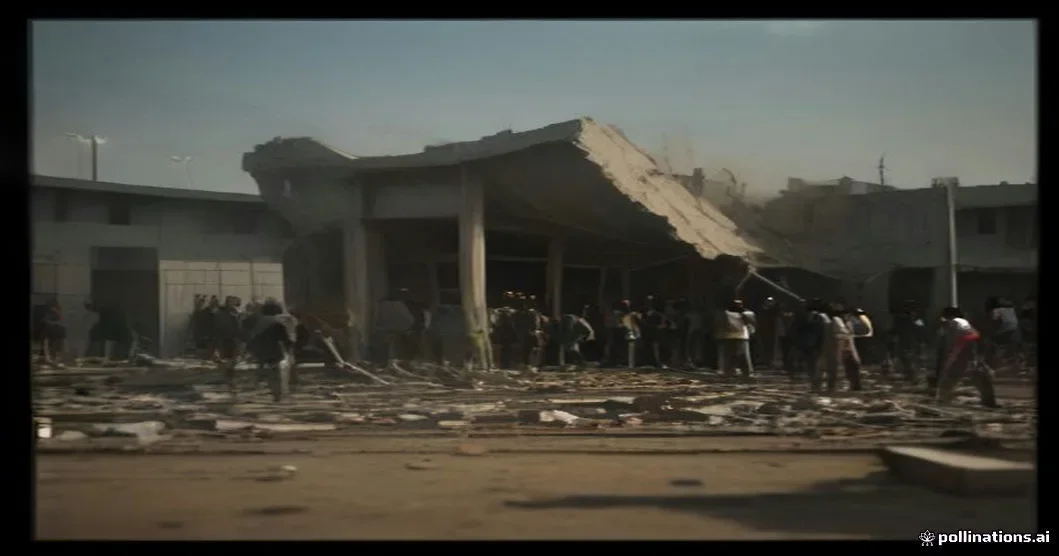
A devastating school roof collapse in northwest Pakistan has claimed the lives of 32 children and one teacher, sending shockwaves across the nation and raising immediate questions about the safety standards of public infrastructure. The incident, which occurred in a region already grappling with development challenges, has tragically underscored the dire consequences of inadequate building regulations and oversight. Rescue efforts were complicated by the precarious nature of the debris, with local authorities and emergency services working tirelessly to recover victims and assist the injured.
This catastrophic event has not only brought immense grief to the affected communities but has also triggered a broader response from the government. Officials have initiated urgent safety inspections of schools across the entire region, aiming to prevent similar tragedies. The collapse highlights a systemic issue where many educational facilities, particularly in rural or underdeveloped areas, operate with substandard construction and maintenance, putting countless young lives at risk. The incident serves as a grim reminder of the critical need for robust regulatory frameworks and rigorous enforcement to ensure public safety, especially in vulnerable settings like schools.
Fast-Moving Wildfire Engulfs California Homes, Injures Firefighters
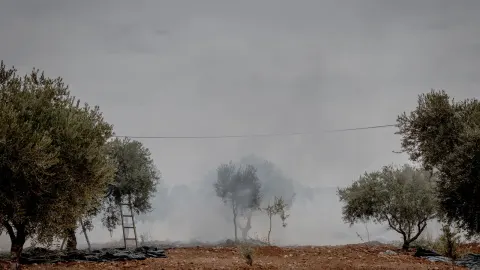
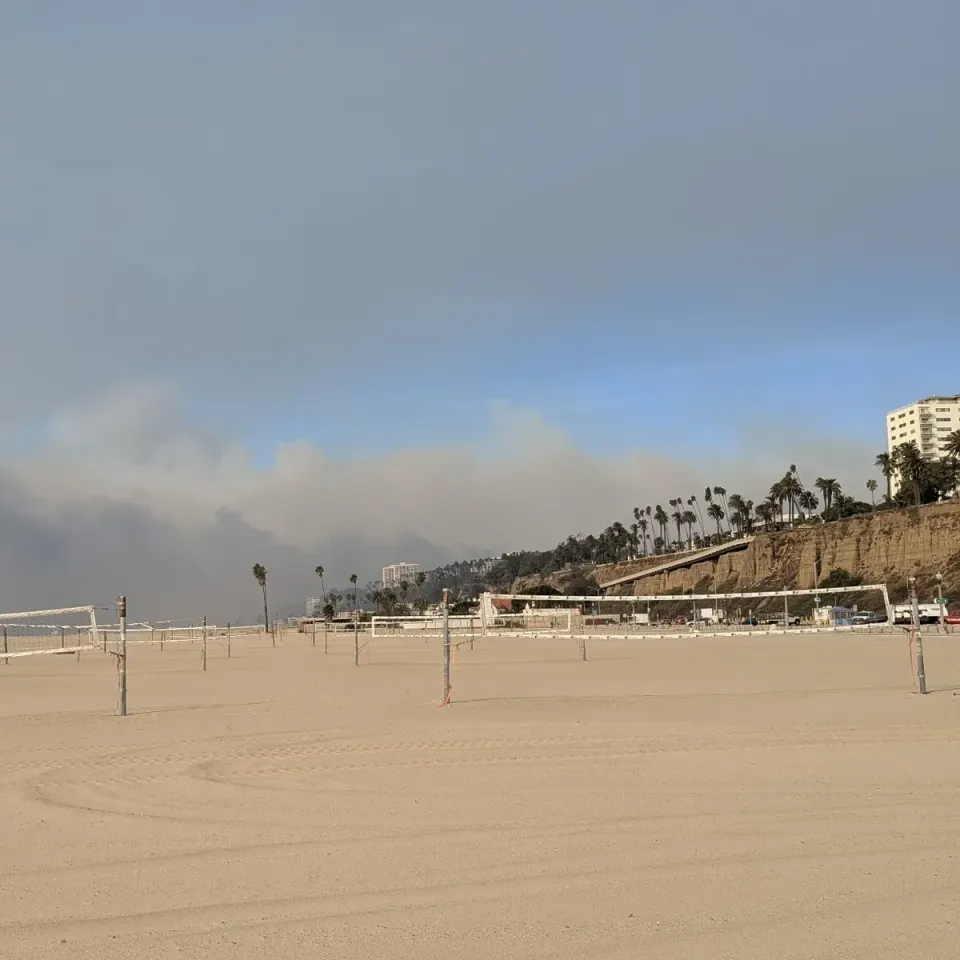
A rapidly spreading wildfire, dubbed the Norte fire, has torn through southern California, consuming at least six homes and injuring two firefighters in a relentless blaze. The inferno prompted the evacuation of approximately 6,000 homes, affecting 16,000 residents in the San Clemente and San Juan Capistrano areas as emergency crews battled to contain the flames. The two injured firefighters were hospitalized with heat-related ailments, underscoring the extreme dangers faced by those on the front lines of these increasingly frequent and intense natural disasters.
The swift progression of the fire, fueled by dry conditions and high winds, has once again highlighted California's vulnerability to wildfires, a problem exacerbated by climate change and prolonged droughts. Local authorities are urging residents to heed evacuation orders promptly and remain vigilant, as the situation remains fluid and unpredictable. The economic and social toll of such events is substantial, leading to massive property damage, displacement of communities, and significant strain on emergency resources. As the fire continues, the focus remains on protecting lives and property, while also prompting renewed discussions about long-term prevention strategies and better resource allocation for fire management.
Egypt's President Sisi Pledges to Leave Office in 2030 After Long Tenure
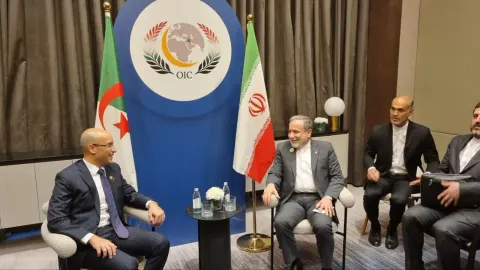
Egyptian President Abdel Fattah el-Sisi has announced his intention to step down from office in 2030, signaling a potential shift in the country's political landscape after more than a dozen years under his leadership. Sisi, who came to power following the 2013 military coup, has overseen a period of significant economic reforms alongside a crackdown on dissent, consolidating his authority over the years. His pledge to respect constitutional limits, while also seeking parliamentary approval to help defend Saudi Arabia, adds a layer of complexity to his long-term regional strategy and domestic political maneuvering.
The announcement, made in the context of broader regional dynamics, suggests a carefully managed transition, though the specifics of his succession plan remain to be seen. Sisi's tenure has been marked by efforts to stabilize Egypt's economy, expand infrastructure, and play a prominent role in Middle Eastern diplomacy, particularly in cooperation with Gulf states like Saudi Arabia. His departure in 2030 would open a new chapter for Egypt, potentially allowing for fresh political voices and approaches, while also raising questions about the future direction of the country's domestic policies and its strategic alliances in a volatile region.
US Floats Lifeline to Russia: Allowing More Gas Sales to Europe Amid Ukraine Peace Talks
The Trump administration has reportedly floated a controversial proposal to Russia, suggesting the allowance of increased Russian gas sales to Europe as part of a broader peace deal with Ukraine. This move, framed as a way to de-escalate tensions and secure a resolution to the ongoing conflict, has immediately met with skepticism and concern from European allies and critics alike. The underlying fear is that such a concession would inadvertently strengthen Russia's economic leverage and geopolitical influence, potentially undermining the very sanctions regime designed to curb its aggression.
Europe, highly dependent on Russian energy in the past, has been actively working to diversify its energy sources and reduce its reliance on Moscow, especially in the wake of recent geopolitical shifts. The prospect of re-opening the taps for more Russian gas sales, even under the guise of a peace initiative, is therefore viewed with considerable wariness across the continent. Critics argue that this proposal risks rewarding Moscow for its actions and could destabilize the delicate balance of energy security in Europe, potentially creating new vulnerabilities rather than resolving existing ones. The intricate dance of sanctions, energy dependency, and peace negotiations continues to shape the global geopolitical landscape.

Archaeologists Intrigued by Potential Discovery of World's Oldest Shipwreck
Archaeologists are buzzing with excitement, albeit with a healthy dose of skepticism, over the discovery of what might be the world's oldest shipwreck. Jars, potentially dating back as much as 4,700 years, were found with black residue inside, hinting at ancient cargo. While outside experts remain intrigued by the possibility, they emphasize the need for rigorous verification before definitively declaring it the oldest known vessel. Such a discovery would push back the timeline of maritime history significantly, offering invaluable insights into early seafaring, trade routes, and ancient civilizations.
The potential shipwreck's age, if confirmed, would place it within the early Bronze Age, a period of significant human development and cultural exchange. The black residue found within the jars could provide clues about the type of goods transported, shedding light on the economic and dietary practices of the time. This finding underscores the ongoing importance of archaeological research in uncovering humanity's past and challenging conventional understandings of historical timelines. The scientific community eagerly awaits further analysis and peer review to confirm the extraordinary claims surrounding this intriguing underwater find.

Frequently Asked Questions
What are the immediate implications of the Pakistan school roof collapse?
Why is President Sisi's announcement to leave office in 2030 significant for Egypt?
What are the concerns regarding the US proposal to allow more Russian gas sales to Europe?
How did the Toman perform against major currencies in the last 24 hours?
What is new about the California wildfires mentioned?
Understanding Energy Security in a Turbulent World
Energy security is the ability of a nation to secure reliable, affordable, and sustainable access to the energy sources it needs for economic growth and daily life. It goes beyond simply having enough oil or gas; it also involves the resilience of supply chains, diversification of energy mixes, and the political stability of exporting regions. When geopolitical tensions flare—such as the recent US‑Russia gas sales talks or shifting alliances in the Middle East—countries scramble to protect their energy imports from disruption, often turning to alternative fuels, strategic reserves, or new infrastructure projects.
The concept gained fresh urgency after the 2022‑2023 global energy shock, when Russia’s reduced gas exports to Europe forced many nations to rethink their dependence on a single supplier. Diversification strategies now include expanding liquefied natural gas (LNG) terminals, investing in renewable energy, and building cross‑border electricity grids. These measures not only hedge against political risk but also help meet climate goals, creating a dual benefit of security and sustainability.
Energy security also intersects with domestic policy. In countries like Iran, where the rial’s volatility and sanctions affect oil revenues, the government may prioritize gold reserves or adjust exchange rates to stabilize the economy. Similarly, Egypt’s long‑term political planning—highlighted by President Sisi’s announced 2030 transition—includes massive renewable projects to reduce reliance on imported fuels and to position the nation as a regional energy hub.
Finally, energy security is a key driver of geopolitical strategy. Nations with abundant resources can wield them as diplomatic tools, while energy‑importing states may use their purchasing power to influence foreign policy. Understanding this dynamic helps explain why seemingly unrelated events—a school collapse in Pakistan, a California wildfire, or a gold price surge in Iran—can all be linked through the broader lens of how societies manage risk, resilience, and resource allocation.
Topics
Related Articles