Bitcoin Defends $81k Support as Oil Markets Price in Long-Term Supply Crisis into 2027
تثبیت بیتکوین در کانال ۸۱ هزار دلار همزمان با پیشبینی تداوم بحران عرضه نفت تا سال ۲۰۲۷
Bitcoin is testing critical Fibonacci support at $81,443 amid whale transfers, while the energy sector braces for sustained $100+ oil prices due to regional instability. Meanwhile, Iran's Dogharoun border has emerged as a dominant transit hub, handling over half of the cargo headed to Afghanistan.
At time of publishing
USD
262,400
Toman
Gold 18K
25.84M
Toman / gram
Bitcoin
$81,577
US Dollar
Tether
262,904
Toman
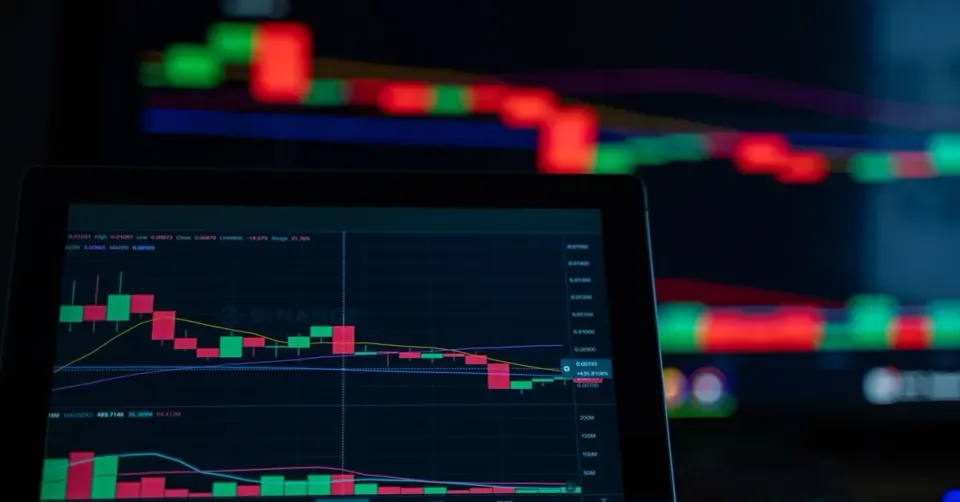
Bitcoin Tests Critical $81,443 Support Amid Whale Activity
Bitcoin (BTC) is currently navigating a high-stakes technical landscape, trading at $81,577 and hovering precariously above a key Fibonacci support level at $81,443. This pivot point is being watched closely by traders as it represents a line in the sand for the current bullish momentum. Recent data indicates that whale transfers—large movements of BTC by high-net-worth holders—are signaling a mixed outlook. Some whales appear to be taking profits at these historic highs, while others are positioning for a potential breakout toward the next psychological resistance level. The volatility is further underscored by a 'flash flush' in chip-stock contracts, which lost $52 million in a mere ten minutes during U.S. market closures, leaving crypto as the primary liquid indicator for global risk appetite.
For the Iranian market, this volatility is mirrored in the stablecoin sector. Tether (USDT) is currently trading at 262,904 Toman, maintaining a slight premium over the physical USD sell rate of 262,400 Toman. The 0.4% dip in the domestic dollar rate over the last 24 hours has not yet fully dampened the demand for digital assets, as local investors continue to look toward Bitcoin as a hedge against long-term currency depreciation. If Bitcoin fails to hold the $81,443 support, analysts warn of a potential correction that could see the asset retest lower ranges, though the current 'buy the dip' sentiment remains robust among retail participants.
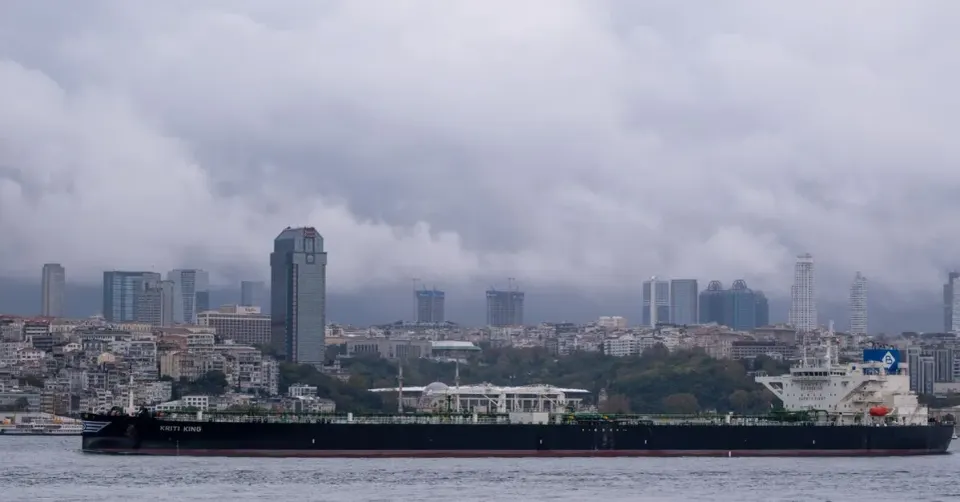
Oil Prices Brace for Extended Conflict and Supply Tightness into 2027
The global energy landscape is undergoing a fundamental repricing as markets abandon hopes for a quick resolution to regional tensions. Brent crude futures for January 2027 are now trading at $102.59 per barrel, a clear signal that institutional investors expect supply tightness to persist for years rather than months. The initial optimism that followed brief ceasefires earlier this year has evaporated, replaced by a grim realization that the geopolitical architecture of the Middle East is facing a long-term shift. This 'higher-for-longer' reality for energy prices is expected to act as a persistent inflationary headwind for the global economy, complicating the efforts of central banks to ease interest rates.
Despite the ongoing crisis in the Strait of Hormuz, Middle Eastern chemical and polymer producers are attempting to maintain their competitive edge through low-cost production bases. However, the logistical constraints in the Persian Gulf have begun to benefit U.S.-based chemical companies as buyers seek more stable, albeit more expensive, supply chains. For Iran, the persistence of high oil prices provides a theoretical revenue cushion, but the reality of sanctions and the high cost of 'shadow' shipping means that the actual economic benefit is heavily diluted. The market's pricing of $92 to $102 oil through 2027 suggests that energy security will remain the dominant theme of the late 2020s.
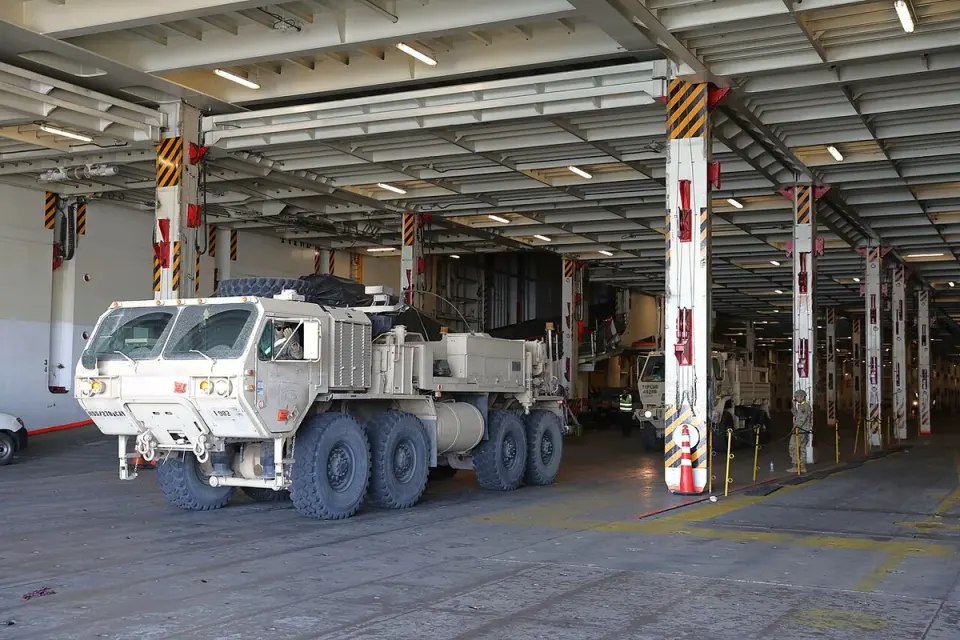
Iran’s Dogharoun Border Becomes a Strategic Transit Hub
On the regional front, the Dogharoun border terminal has solidified its position as a vital economic artery for Iran, now accounting for 52% of all cargo transit to Afghanistan. According to local officials in Khorasan Razavi Province, this single crossing now handles more than half of the total trade flow through the four main border points between the two nations. This surge in activity highlights a strategic shift in Iran's trade policy, focusing on land-based transit corridors to bypass maritime restrictions and leverage its geographic position as a bridge between Central Asia and the global market. The reliance on Dogharoun underscores the importance of the eastern trade routes in maintaining economic activity amidst broader international isolation.
However, this concentration of trade also brings significant logistical and security challenges. While the government touts these figures as a sign of economic resilience, the infrastructure at the border often struggles to keep pace with the volume of heavy vehicle traffic. Furthermore, the reliance on the Afghan market makes Iranian exporters vulnerable to the political and economic instability of the Taliban-led administration. For the domestic economy, the revenue generated from transit fees and export duties at Dogharoun is a critical source of non-oil income, yet it remains to be seen if this regional pivot can offset the broader stagnation seen in the currency markets, where the USD remains stubbornly high at 262,400 Toman despite a minor 0.4% daily retreat.
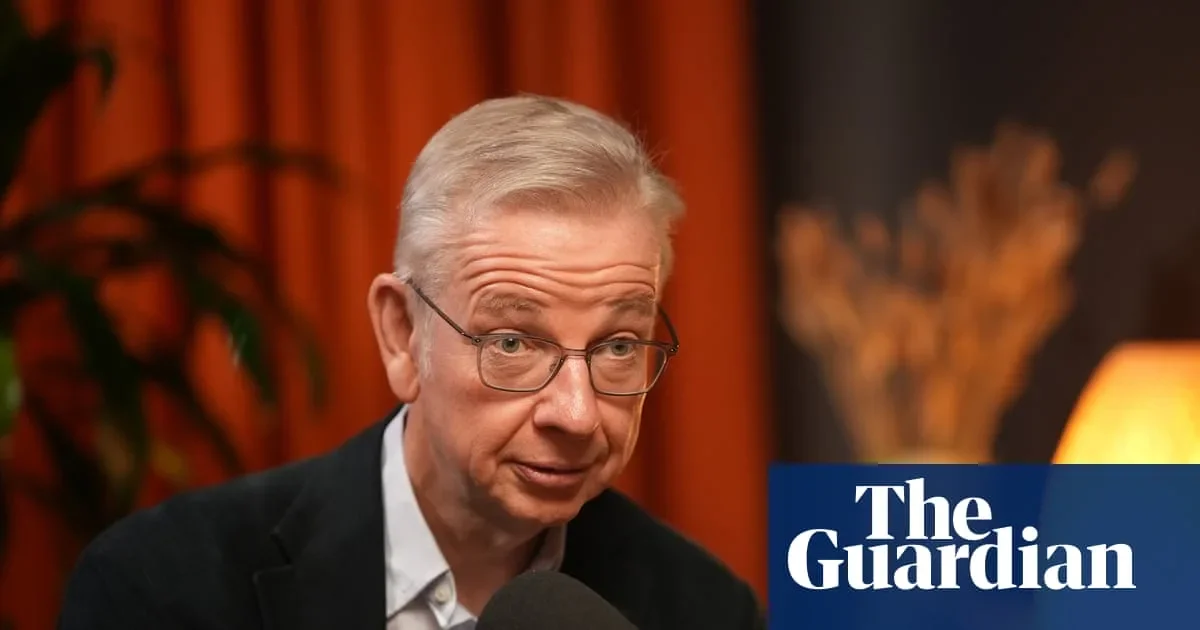
The Ideological Shift: Gove, Austerity, and the Future of the Right
In the realm of global politics, a significant conversation is emerging around the legacy of austerity and the future of conservative governance. Michael Gove, a central figure in British politics for three decades, has recently defended the 'inevitable pain' of austerity measures, arguing that they were necessary for long-term fiscal stability. This defense comes at a time when many Western economies are grappling with the social consequences of reduced public spending. Gove’s shift to the editorship of the Spectator and his reflections on the 'radical right' suggest a deepening ideological divide in the West, where the focus is moving away from the centrist consensus of the Blair era toward more nationalist and fiscally restrictive policies.
This ideological hardening in the UK and beyond has direct implications for global trade and sanctions regimes. As right-wing movements gain ground, the appetite for international cooperation often diminishes in favor of protectionist policies. For countries like Iran, which are already peripheral to the global financial system, this shift signifies a more unpredictable diplomatic environment. When major economies prioritize internal austerity and 'national interest' over global stability, the likelihood of diplomatic breakthroughs on issues like the nuclear deal or trade normalization becomes increasingly remote. The conversation around Gove’s politics is not just a British domestic issue; it is a preview of the more transactional and rigid world order that is currently taking shape.
Frequently Asked Questions
Why is the $81,443 level important for Bitcoin?
Why are oil prices expected to stay above $100 until 2027?
How significant is the Dogharoun border for Iran's economy?
Understanding Exchange Rates: Beyond the Official Numbers
An exchange rate represents the value of one nation's currency in terms of another. It's a fundamental economic indicator, dictating the cost of imports and exports, influencing investment flows, and ultimately affecting a country's economic health. When you see "USD IRR price," you're looking at how many Iranian Rials it takes to buy one US Dollar. This rate is determined by a complex interplay of supply and demand for each currency, driven by various economic and geopolitical factors.
Key economic drivers include interest rates, inflation, and a country's economic growth prospects. Higher interest rates can attract foreign investment, increasing demand for the local currency. Similarly, lower inflation relative to other countries can strengthen a currency's purchasing power. A robust economy that exports more than it imports typically sees its currency appreciate due to higher demand from international buyers. However, political stability and investor confidence are equally crucial; uncertainty can lead to capital flight and currency depreciation.
In specific contexts, such as economies facing sanctions or significant geopolitical pressures, official exchange rates might diverge sharply from market-driven rates found in informal or parallel markets. This divergence often reflects underlying economic stress, a shortage of foreign currency, or a lack of confidence in the official economic management. The mention of "Tether price Toman" highlights how digital stablecoins can sometimes become a proxy for foreign currency in such environments, mirroring the dynamics of the USD/IRR exchange rate in the grey market.
Understanding these dynamics is vital for anyone engaging in international trade, like "Iran Afghanistan trade" via "Dogharoun border transit," as fluctuating exchange rates can significantly impact profitability and risk. It also sheds light on broader economic stability, influencing everything from the cost of daily goods to a nation's ability to service its debts.