ICC Awarded EU Prize Amid Trump Attacks; France Reels From Riots, Iran Expands Central Asian Ties
دادگاه کیفری بینالمللی جایزه اتحادیه اروپا را دریافت کرد؛ فرانسه درگیر پیامدهای شورشها، ایران روابط با آسیای مرکزی را گسترش میدهد
The International Criminal Court, a frequent target of Donald Trump's ire, has been awarded the EU's top human rights prize, signaling strong multilateral support. Meanwhile, France grapples with the economic and social fallout from recent riots, while Iran seeks to deepen trade links with Central Asian nations.
At time of publishing
USD
272,300
Toman
Gold 18K
27.07M
Toman / gram
Bitcoin
$81,377
US Dollar
Tether
271,735
Toman
ICC Awarded Top EU Rights Prize Amid Trump Backlash
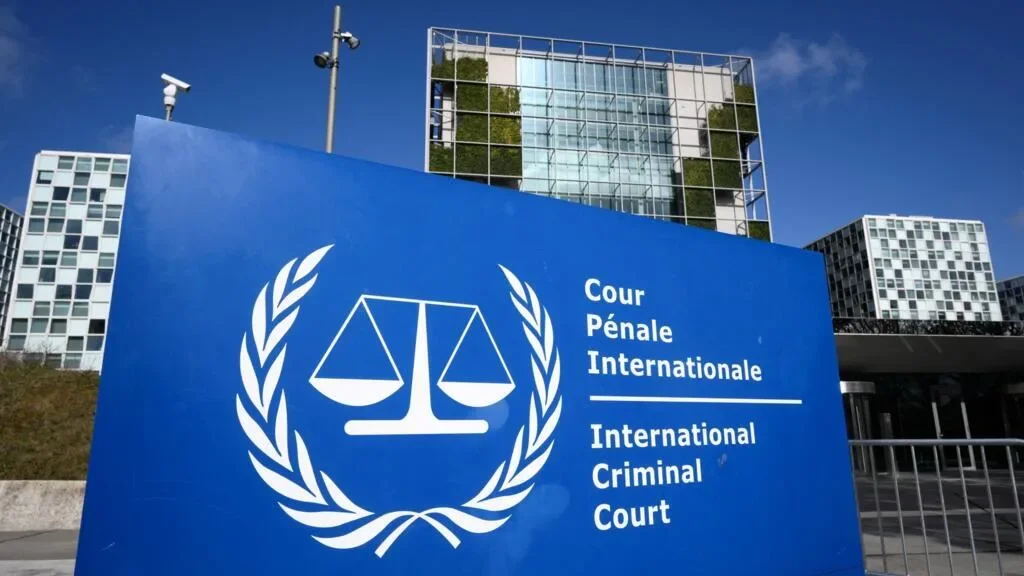
The International Criminal Court (ICC), an institution that has frequently found itself in the crosshairs of former U.S. President Donald Trump, has been honored with the European Union's prestigious Sakharov Prize for Freedom of Thought. The award, announced by European Parliament President Roberta Metsola, is seen as a significant endorsement of the ICC's role in upholding international law and justice, particularly at a time when the court and its officials face "unprecedented challenges." This recognition comes despite potential friction with the United States, which has previously imposed sanctions on ICC officials and voiced strong opposition to its investigations.
This move by the EU highlights a stark division in international approaches to justice and accountability. While the U.S. under Trump has often favored unilateral action and expressed skepticism towards international bodies, the EU is doubling down on its commitment to multilateralism and the rule of law. The ICC's work, which includes investigating alleged war crimes and crimes against humanity, is crucial for global stability, but its effectiveness is often hampered by a lack of cooperation from powerful states. This award, therefore, serves not only as a commendation but also as a political statement of solidarity, potentially signaling to the U.S. that Europe remains steadfast in its support for international justice mechanisms.
---
France Grapples with Economic Aftermath of Riots
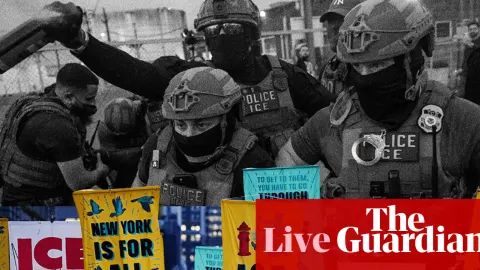
France is confronting the significant economic and social repercussions following a wave of widespread riots that shook the nation. The unrest, which saw thousands of shops looted and public infrastructure damaged, has left a substantial economic scar. Reports indicate that borrowing costs for France have risen, surpassing those of Greece, as investors react nervously to the instability. This surge in debt costs, coupled with the direct costs of damage and reconstruction, places considerable strain on the French economy, particularly with national debt already standing at a high 119% of GDP.
The protests and subsequent riots, sparked by allegations of police brutality, have not only unnerved investors but also exposed deeper societal fissures. With a presidential election looming in just six months, the government faces immense pressure to restore order, address public grievances, and mitigate the economic damage. The events have underscored the fragility of social cohesion and the challenges of managing public discontent in a post-pandemic economic climate. The long-term implications for France's economic outlook and its standing within the European Union remain a key concern.
---
Iran Deepens Central Asian Trade Ties Amid U.S. Tensions
Amidst ongoing geopolitical tensions with the United States, Iran is actively pursuing an expansion of its trade and connectivity with Central Asian nations. High-level diplomatic engagements have been frequent, with Iranian officials meeting their counterparts from four of the five Central Asian states in recent weeks. This strategic push aims to bolster economic ties and reduce reliance on traditional trade routes, which are often subject to external pressures and sanctions.
First Vice President Mohammad Reza Aref recently met with Tajikistan's leader Emomali Rahmon, discussing bilateral trade volume which, according to Aref, has seen a 50 percent increase since the onset of Iran's protracted conflict with the U.S. While specific figures were not disclosed, this trend suggests a growing economic partnership. Iran's outreach to Central Asia is a clear indication of its strategy to circumvent sanctions and diversify its economic relationships, seeking new markets and transit corridors. This development is significant as it potentially reshapes regional trade dynamics and offers Iran a degree of economic resilience against international pressures.
---
Market Snapshot: Toman Fluctuates Amid Global Currents
On Thursday, October 22, 2026, the Iranian Toman experienced fluctuations in its exchange rate against major currencies. The U.S. Dollar saw a notable increase, selling at 272,300 Toman and buying at 270,689 Toman, marking a 1.8% rise over the past 24 hours. This movement suggests a continued demand for foreign currency, potentially driven by global economic uncertainties and regional geopolitical risks that often impact the Toman's value. Other major currencies also saw shifts: the Euro sold at 305,150 Toman, and the British Pound at 364,100 Toman.
In the domestic market, gold prices showed a slight downtick. The 18-karat gold price per gram decreased by 0.3% to 27,071,886 Toman. However, the Emami coin, a significant indicator of market sentiment, saw a positive surge of 1.9%, trading at 274,000,000 Toman. This divergence between gold and coin prices might reflect differing investor confidence or specific market dynamics within Iran. Bitcoin, a key cryptocurrency, was trading at $81,377, with Ethereum at $2,387.57, indicating broader global crypto market trends that can indirectly influence local investor behavior and liquidity.
Frequently Asked Questions
Why was the ICC awarded the Sakharov Prize?
What are the main economic consequences of the recent riots in France?
What is Iran's strategy in expanding ties with Central Asia?
How did the Iranian Toman perform against the USD in the last 24 hours?
What was the performance of gold and coins in Iran today?
The International Criminal Court and Its Relationship with the European Union
The International Criminal Court (ICC) is a permanent tribunal that prosecutes individuals for the gravest crimes of concern to the international community – genocide, crimes against humanity, war crimes, and the crime of aggression. Established by the Rome Statute in 1998, the ICC operates independently of the United Nations, but its legitimacy and effectiveness depend heavily on the political will of its member states. As of 2024, 123 countries are parties to the Rome Statute, while major powers such as the United States, China, and Russia have not ratified it, often citing concerns over sovereignty and the potential for politically motivated prosecutions.
The European Union (EU) has positioned itself as one of the strongest supporters of the ICC. The EU’s common foreign and security policy explicitly endorses the court’s mandate, and the bloc provides financial contributions, logistical support, and diplomatic backing for ICC investigations and prosecutions. In practice, this means that EU member states cooperate by arresting indicted individuals, sharing evidence, and facilitating the court’s access to witnesses. The EU’s support also extends to political advocacy, where EU institutions lobby for broader international acceptance of the ICC and defend it against criticism from non‑member states.
U.S. relations with the ICC have been especially fraught under the Trump administration. In 2020, the Trump administration announced that the United States would no longer cooperate with the ICC, arguing that the court could threaten American personnel abroad and undermine U.S. sovereignty. This stance heightened tensions with the EU, which continued to champion the ICC’s work. The policy shift also sparked a broader debate about the role of international legal institutions in a world where great powers increasingly question multilateral norms.
Understanding the dynamic between the ICC and the EU is crucial for grasping contemporary international law and geopolitics. The EU’s backing provides the court with a critical pool of resources and political legitimacy, while the opposition from powerful non‑member states like the United States illustrates the challenges the ICC faces in achieving universal jurisdiction. As global conflicts evolve and accusations of war crimes become more frequent, the interplay between regional blocs and international courts will shape the future of accountability on the world stage.
For readers interested in diving deeper, the ICC’s official website offers detailed case files, while the European Parliament’s publications explain the EU’s legal frameworks and policy positions regarding international justice.
Topics
Related Articles