Iran Denies Iraq Border Violations as Starlink Restores Ukraine Speeds and Gold Markets Cool
تکذیب ادعاهای مرزی عراق توسط ایران همزمان با بازگشت سرعت استارلینک در اوکراین و افت قیمت طلا
Iran's embassy in Baghdad has officially dismissed claims of border violations at the Al-Shib crossing, while Ukraine reports that Starlink and Starshield satellite services have returned to normal speeds after a week of disruptive restrictions.
At time of publishing
USD
268,500
Toman
Gold 18K
26.05M
Toman / gram
Bitcoin
$79,588
US Dollar
Tether
269,289
Toman
Iran Dismisses Iraqi Border Violation Allegations
In a formal diplomatic pushback, the Iranian Embassy in Baghdad has issued a stern refutation of claims made by Ali al-Zaidi, an advisor to the Iraqi Prime Minister, regarding alleged border violations at the Al-Shib crossing. The crossing, known as Chazzabeh on the Iranian side, is a critical artery for both trade and religious pilgrimage between the two nations. The embassy’s statement, carried by state media, emphasized that such allegations are unfounded and likely aimed at disrupting the bilateral cooperation that has been carefully built between Tehran and Baghdad over recent years.

This friction comes at a sensitive time for the Iranian economy, as border stability is directly tied to trade volumes and the flow of hard currency. Al-Shib is located in the Khuzestan province and serves as a primary gateway for Iranian exports to Iraq’s Maysan governorate. Any perceived instability or diplomatic spat regarding these transit points often reflects in the local currency markets, as traders weigh the risks of potential closures or increased security oversight that could slow down the movement of goods and capital. For the Iranian public, these diplomatic nuances are more than just politics; they are indicators of how smoothly the country can bypass broader international sanctions through regional trade.
Starlink and Starshield Restored for Ukrainian Forces
The Ukrainian military has confirmed that its satellite communication systems, specifically the Starlink and the Pentagon-funded Starshield networks, have returned to normal operating speeds. This follows a period of approximately ten days where sudden and unexplained restrictions capped terminal speeds at 160km/h (99mph), effectively crippling high-speed drone operations and frontline logistics. President Volodymyr Zelenskyy expressed gratitude to U.S. allies for the restoration, highlighting the system's role as a cornerstone of Ukraine’s air defense and battlefield coordination. The disruption had previously led to the failure of several combat missions, underscoring the vulnerability of modern warfare when reliant on private-sector infrastructure.
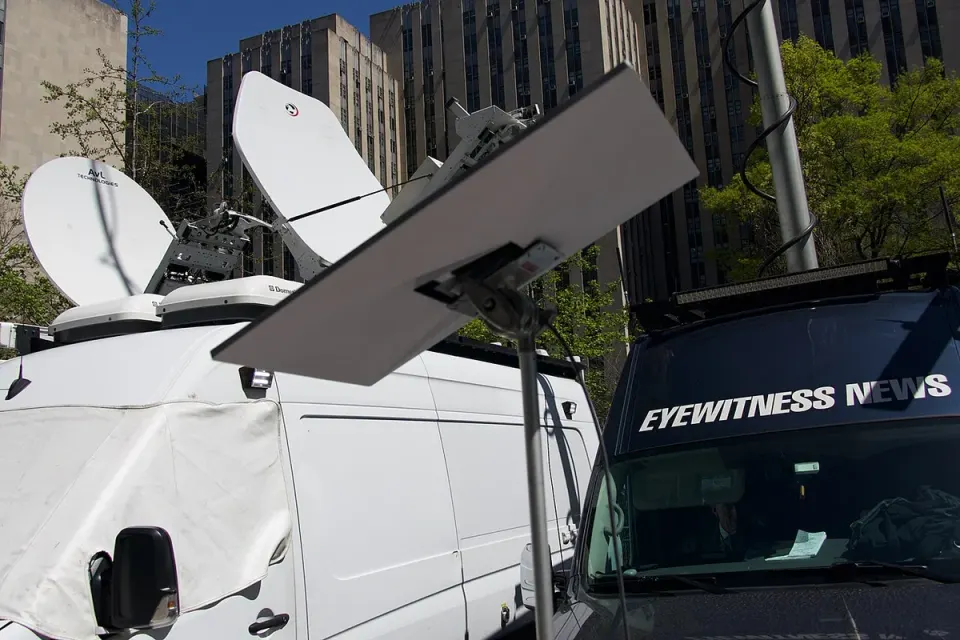
The restoration of these speeds is a significant relief for the Ukrainian defense architecture, but it also raises questions about the control private entities like Elon Musk’s SpaceX exert over geopolitical outcomes. While Starshield is managed by the U.S. government, its technical backbone remains proprietary SpaceX technology. The incident serves as a reminder to global markets and military strategists that the 'tech-war' is not just about chips and software, but about the physical and orbital infrastructure that allows a nation to function under pressure. For investors, this volatility in service highlights the risks associated with companies that become 'too big to fail' within the national security apparatus.
---
Tehran Markets: Gold and Coin Prices See Notable Correction
As of 20:00 Tehran time on Saturday, October 24, 2026 (2 Aban 1405), the domestic gold and currency markets are experiencing a cooling phase. The price of 18-karat gold has seen a significant decrease, moving from 26,420,887 Toman to 26,051,525 Toman, marking a 1.4% drop over the last 24 hours. Even more pronounced is the correction in the Emami coin market, which plummeted from 274,000,000 Toman to 267,000,000 Toman, a sharp 2.6% decline. This downward trend suggests a temporary easing of the speculative fever that has gripped the Tehran bazaar in recent weeks, as buyers step back to assess the regional geopolitical temperature.

The US Dollar has also shown a slight softening, with the sell rate moving from 269,700 Toman to 268,500 Toman (-0.4%). While the global price of gold remains historically high at $3,996.90 per ounce, the local Iranian market seems to be reacting more to internal liquidity shifts and a slight reduction in immediate conflict fears. For the average Iranian citizen, this dip provides a small window of transparency in an otherwise opaque economic environment. However, with Bitcoin holding steady near the $80,000 mark (currently at $79,588), the appetite for alternative digital assets remains a primary competitor for traditional gold and coin investments among the younger, tech-savvy demographic.
Frequently Asked Questions
چرا تکذیب ادعاهای مرزی در گذرگاه الشیب برای بازار اهمیت دارد؟
علت اختلال در سرعت استارلینک در اوکراین چه بود؟
با وجود قیمت بالای طلای جهانی، چرا قیمت طلا در ایران کاهش یافت؟
Low‑Earth‑Orbit Satellite Constellations: How Starlink Is Changing Connectivity and Warfare
Low‑Earth‑orbit (LEO) satellite constellations are a new generation of space‑based communications networks that orbit the Earth at altitudes of 500‑2,000 km, far lower than traditional geostationary satellites (≈35,800 km). Because they are much closer to the surface, LEO satellites can transmit data with dramatically lower latency—often under 30 ms—making them suitable for broadband internet, real‑time video, and even mission‑critical military communications.
SpaceX’s Starlink is the most prominent LEO system, planning to deploy more than 12,000 satellites in several orbital shells. Each satellite uses phased‑array antennas and inter‑satellite laser links, allowing data to hop across the constellation without routing through ground stations. The result is a high‑speed, low‑latency service that can deliver gigabit‑per‑second download rates even in remote or infrastructure‑poor regions.
When Russia’s invasion crippled Ukraine’s terrestrial internet backbone in early 2022, Starlink became a lifeline. Mobile terminals were shipped to frontline units and civilian shelters, restoring broadband connectivity within days. By 2026, upgraded user terminals and newer Starlink V2 satellites have pushed average speeds above 300 Mbps in war‑torn zones, enabling not only civilian communication but also real‑time command‑and‑control data for Ukrainian forces.
Building on the same LEO architecture, SpaceX announced Starshield, a secure, hardened satellite network designed for defense customers. Starshield leverages the same low‑latency links but adds encrypted payloads, anti‑jamming measures, and rapid re‑tasking capabilities, making it attractive for military logistics, ISR (intelligence, surveillance, reconnaissance), and resilient communications in contested environments. The dual‑use nature of LEO constellations blurs the line between commercial broadband and strategic warfare tools.
Despite their promise, LEO constellations raise regulatory, orbital‑debris, and geopolitical challenges. Nations worry about spectrum interference, while the sheer number of satellites increases collision risk. International bodies such as the ITU and the United Nations Office for Outer Space Affairs are working on norms to balance innovation with safety. As more actors—both state and private—launch their own LEO constellations, the next decade will likely see a reshaping of global connectivity and the very definition of “space‑based warfare.”
Topics
Related Articles