Europe Braces for Mass Protests as France Deploys 70,000 Officers; Tehran Markets Cool Amid Regional Standoff
اروپا در محاصره اعتراضات سراسری؛ استقرار ۷۰ هزار نیروی امنیتی در فرانسه و عقبنشینی قیمتها در بازار تهران
France deploys 70,000 police officers as protests spread across Europe, while Tehran markets see a slight cooling with USD and gold prices retreating from recent highs. Meanwhile, Iranian military commanders issue fresh warnings regarding US naval presence in the Persian Gulf.
At time of publishing
USD
268,000
Toman
Gold 18K
26.36M
Toman / gram
Bitcoin
$80,706
US Dollar
Tether
268,581
Toman
The 'Iron Fist' in Paris: Europe Braces for Chaos
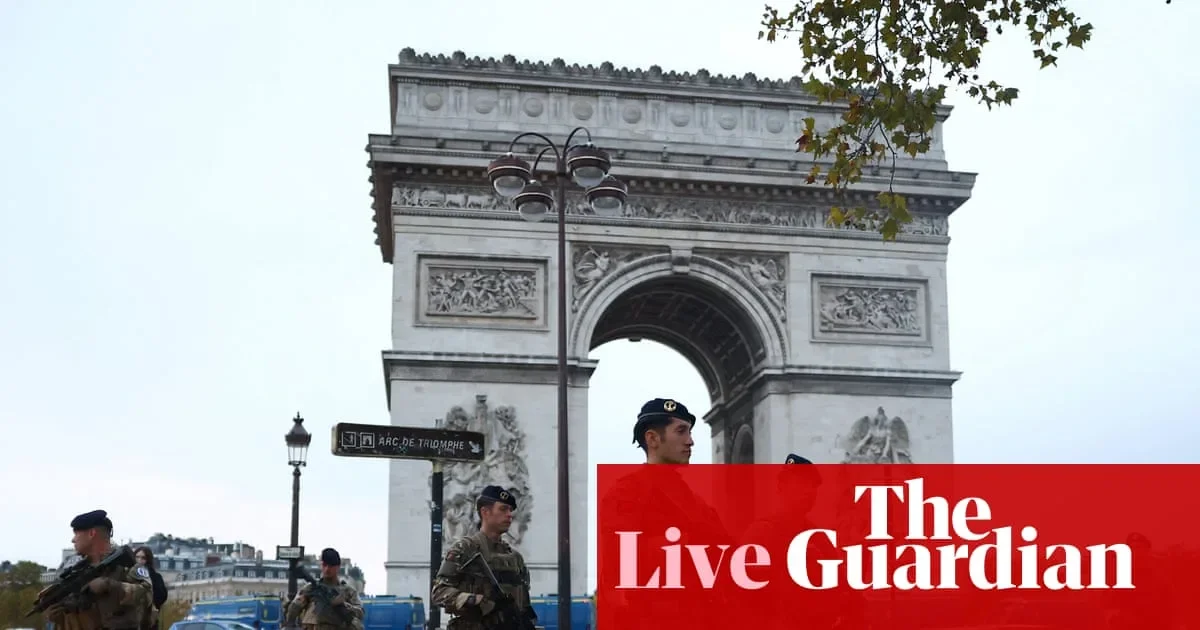
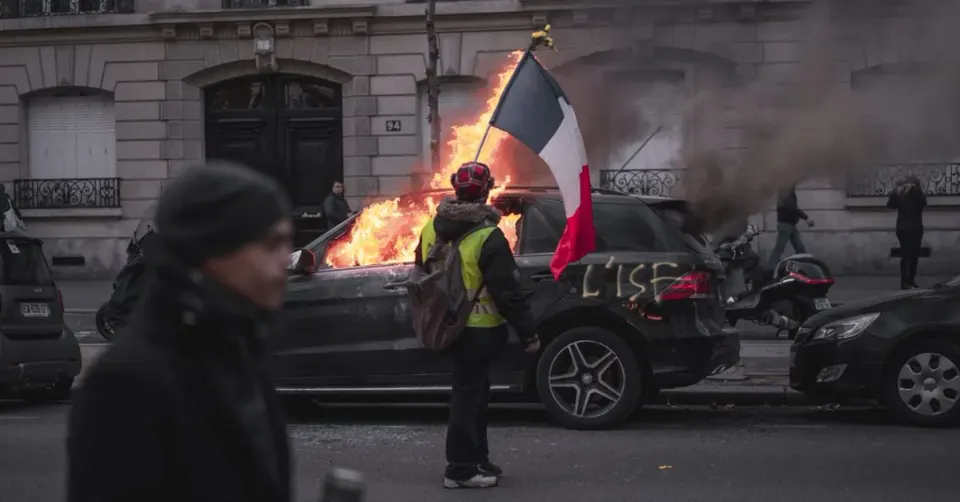
France is currently under a state of high alert as the government prepares for a massive wave of protests that threaten to paralyze the nation's capital and major urban centers. In an extraordinary show of force, the Ministry of Interior has deployed 70,000 police officers across the country. In Paris, the sound of hammers and drills echoed through the night as business owners in the city center boarded up luxury boutiques, pharmacies, and supermarkets. The tension is palpable; this is not merely a localized French issue but part of a broader European contagion, with similar unrest expected in Italy, Spain, Austria, Portugal, Albania, and Ireland.
This widespread civil disobedience stems from deep-seated economic grievances and a perceived disconnect between the European political elite and the working class. For global markets, this instability in the Eurozone's second-largest economy creates a 'risk-off' environment. Investors are watching closely to see if the protests will disrupt trade routes or lead to further fiscal instability in the region. As tourist sites close and businesses shutter their doors, the immediate economic cost is mounting, adding pressure to an already fragile European recovery.
Tehran Markets: A Brief Respite from the Rally
Following a period of intense volatility, the Tehran markets are showing signs of a tactical retreat. On this Saturday, October 24, 2026 (2 Aban 1405), the US Dollar (USD) moved from 269,700 to 268,000 Toman, marking a -0.6% decrease over the last 24 hours. This slight cooling of the 'war premium' suggests that while geopolitical tensions remain high, the immediate panic that drove prices upward earlier in the week has subsided. Gold has followed a similar trajectory, with 18k gold per gram slipping from 26,420,887 to 26,363,174 Toman (-0.2%).
The most significant movement was observed in the coin market, where the Emami coin dropped from 274,000,000 to 268,500,000 Toman, a sharp -2.0% decline. Analysts suggest this correction is a result of profit-taking by local traders and a temporary stabilization in global gold prices, which are currently hovering just below the psychological $4,000 per ounce mark (currently at $3,996.90). However, with Bitcoin holding steady at $80,706 and Tether (USDT) trading at 268,581 Toman, the demand for digital safe havens remains robust among Iranian investors looking to hedge against future domestic currency shocks.
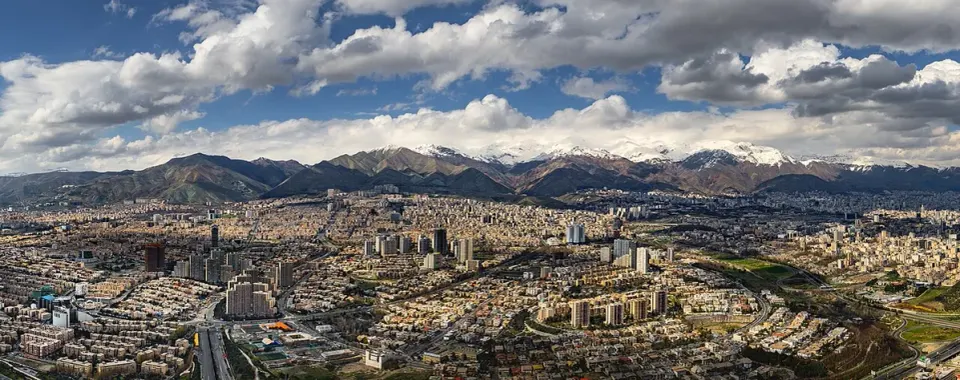
Geopolitical Red Lines: The Persian Gulf Standoff
While the streets of Europe burn, the waters of the Persian Gulf are seeing a different kind of heat. Major General Ali Abdollahi, Chief of the General Staff of Iran’s Armed Forces, has issued a stern warning, stating that Tehran will never allow US warships to re-enter the Persian Gulf. This rhetoric underscores a hardening of Iran's maritime strategy, as the military claims American forces no longer 'dare' to approach the region’s strategic waters. This stance is a direct challenge to the traditional US-led security architecture in the Middle East and raises the stakes for international shipping in the Strait of Hormuz.
Despite the aggressive military posturing, domestic life in Tehran continues with a mix of religious observance and cultural activity. The city recently marked the beginning of the Fatimiyya mourning period at Enghelab Square, while the 43rd Tehran International Short Film Festival successfully concluded its run. This duality—of high-stakes military threats and routine cultural life—is a hallmark of the current Iranian landscape. For the average citizen, the focus remains on the intersection of these geopolitical threats and their direct impact on the cost of living, as any escalation in the Gulf would immediately reverse the current downward trend in currency prices.
Real Estate Realities and the Global Wealth Gap
Away from the frontlines of geopolitics, the global economic narrative is being shaped by a deepening housing crisis and generational wealth transfers. A recent report highlighting a family dispute over an $850,000 childhood home—purchased for just $250,000 in the 1990s—has struck a chord with investors worldwide. This 240% increase in nominal value over three decades illustrates the massive inflationary pressure on real assets. In Iran, where real estate has long been the primary hedge against inflation, this global trend mirrors the local struggle where housing has become increasingly inaccessible for the youth.
As investors move record sums into leveraged products, such as semiconductor ETFs, the volatility in the tech sector remains a concern. With major AI players like Anthropic weighing the risks of a November IPO against market pressures, the 'AI bubble' debate is intensifying. For Iranian observers, these global shifts in tech and real estate are not just distant news; they dictate the flow of global capital and, ultimately, the price of the assets they hold in their own portfolios, from gold coins to digital tokens.
Frequently Asked Questions
چرا قیمت سکه در بازار تهران امروز ۲ درصد کاهش یافت؟
تأثیر اعتراضات گسترده در فرانسه بر بازارهای جهانی چیست؟
موضع جدید ایران در قبال حضور ناوهای آمریکایی در خلیج فارس چیست؟
Geopolitical Risk and its Impact on Financial Markets
Geopolitical risk refers to the potential for political instability, conflicts, wars, and other international events to disrupt the global economy and financial markets. These events, ranging from regional military tensions to widespread social unrest, introduce significant uncertainty, compelling investors to reassess the value and safety of their assets. The headline's mention of "Persian Gulf military tension" and "France protests 2026" highlights two distinct but equally potent sources of such risk, demonstrating its diverse origins and global reach.
When geopolitical tensions escalate, financial markets typically react with heightened volatility. Investors often engage in a 'flight to safety,' moving capital from riskier assets like equities and emerging market currencies into more stable havens. This phenomenon explains why "Gold price $4000" is mentioned; gold is historically considered a primary safe-haven asset, appreciating when uncertainty reigns. Conversely, local currencies in affected regions, such as the "USD to IRR price" fluctuations, often experience depreciation as capital flows out, and local assets like "Emami coin price drop" can see significant declines due to diminished confidence and economic instability.
The ripple effects of geopolitical risk are far-reaching. Beyond currencies and precious metals, commodity markets are highly susceptible, particularly oil, given the strategic importance of regions like the Persian Gulf in global energy supply chains. Equity markets can experience broad sell-offs, though some sectors, like defense, might see gains. Even cryptocurrencies, such as "Bitcoin price 80k," which some view as a digital safe haven, can exhibit complex reactions, sometimes correlating with traditional risk assets and other times acting as an alternative store of value, depending on the specific nature of the crisis and investor sentiment. Understanding these dynamics is crucial for navigating the interconnected world of global finance.