US Political Turmoil and Israeli Elections Rattle Markets as Gold Dips in Tehran
تلاطم سیاسی در آمریکا و انتخابات سرنوشتساز اسرائیل؛ ریزش آرام قیمت طلا در بازار تهران
As Donald Trump intensifies his legal and rhetorical battles in the US, Israeli voters head to the polls in a historic election that could dictate the next phase of regional conflict. Meanwhile, Tehran’s gold market sees a slight retreat while the dollar remains pinned at the 270,500 Toman mark.
At time of publishing
USD
270,500
Toman
Gold 18K
26.20M
Toman / gram
Bitcoin
$79,974
US Dollar
Tether
270,689
Toman
The US-Israel Nexus: Political Fireworks and Election Anxiety
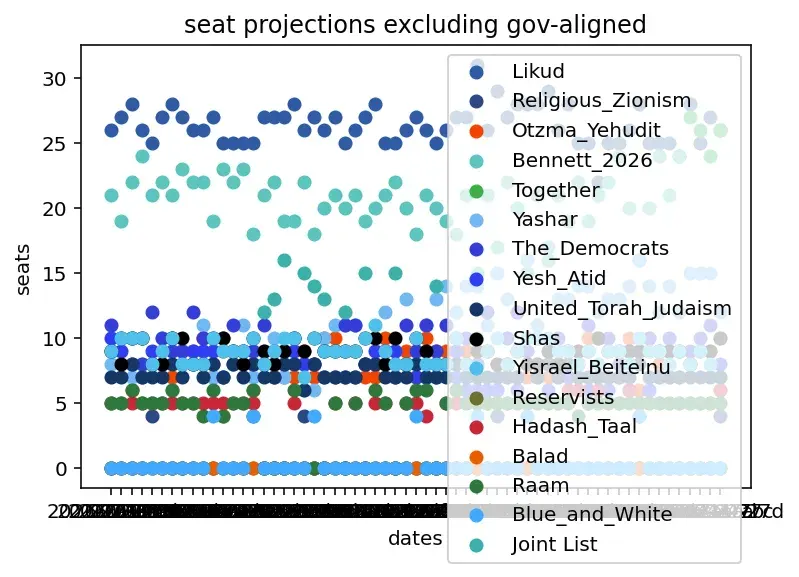
The geopolitical landscape is currently dominated by a high-stakes convergence of US domestic legal drama and a pivotal Israeli election. In the United States, Donald Trump has reignited his long-standing feud with former FBI Director James Comey, labeling him a "dirty cop" as the Justice Department moves forward with a third attempt to prosecute the former official. This domestic friction is not occurring in a vacuum; it coincides with a historic election in Israel where Prime Minister Benjamin Netanyahu’s political future hangs in the balance. Early data from Israel’s Central Elections Committee indicates the highest voter turnout in decades, reflecting the immense weight the public places on this vote, which many see as a referendum on the ongoing regional conflict and future strikes against Iranian infrastructure.
For Iranian observers and markets, this political cocktail is of paramount importance. The rhetoric from Washington and the outcome in Tel Aviv are seen as leading indicators for the next phase of economic and military pressure. Many Iranians are reportedly keeping one eye on the sky and the other on election returns, fearing that once the political dust settles in the US and Israel, the restraint currently shown regarding civilian infrastructure may vanish. This atmosphere of "wait-and-see" has effectively paralyzed major movements in the currency market, as traders remain hesitant to take large positions before the geopolitical trajectory becomes clearer.
Moscow Diplomacy: Pezeshkian and the Qatari Connection
While the West focuses on elections, President Masoud Pezeshkian has been active on the diplomatic front in Moscow. His meeting with Qatar’s Emir today highlights a strategic push to strengthen regional ties outside the Western orbit. According to official reports, the discussions centered on energy cooperation and bilateral relations, a move that signals Iran's intent to solidify its position as a regional energy hub despite the looming threat of further sanctions. This meeting is particularly significant given Qatar’s traditional role as a mediator between Tehran and the West, suggesting that back-channel communications may still be active even as public rhetoric remains hostile.
This diplomatic maneuvering in Moscow serves as a counterbalance to the pressures mounting from the US and Israel. By engaging with major energy players like Qatar and maintaining a presence in Russian-led forums, the Iranian administration is attempting to demonstrate that it still has viable economic partners and strategic depth. For the domestic economy, these high-level meetings offer a glimmer of hope for stabilizing trade routes and securing energy investments, though the immediate market impact remains muted compared to the overwhelming influence of the US-Israel news cycle.
Global Tensions and the Nordic-Russian Standoff
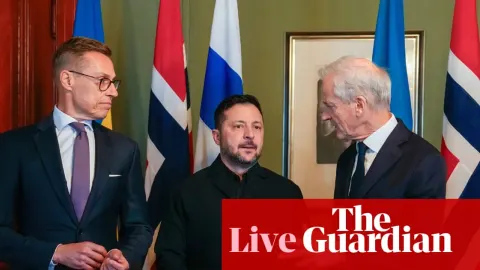
Further north, the geopolitical temperature is rising as Nordic leaders break years of silence to engage directly with Vladimir Putin. Finnish President Alexander Stubb and Norwegian Prime Minister Jonas Gahr Støre defended their recent "substantive" calls with the Russian leader, despite criticism from other European neighbors. However, the takeaway from these conversations remains grim, with leaders reporting "significant differences" and a continuing sense of distrust. UK Defense Secretary Wes Streeting added to the tension by warning that the West must be prepared for a potential war with Russia, emphasizing that Putin is currently testing the resolve of NATO through hybrid threats and state-sponsored activities.
This European instability adds another layer of complexity to global market sentiment. As NATO members increase their readiness and defense spending, the risk appetite among global investors continues to fluctuate. For Iranian readers, this broader conflict is more than just a distant war; it affects global supply chains, energy prices, and the diplomatic bandwidth of major powers. The constant threat of escalation in Eastern Europe ensures that gold remains a preferred safe haven globally, even as local prices in Tehran experience minor technical corrections.
Tehran Market Update: Gold Recedes as Dollar Holds Firm
In the local markets of Tehran on Tuesday, October 27, 2026 (سهشنبه ۵ آبان ۱۴۰۵), we observed a slight cooling in gold and coin prices. The price of 18-karat gold moved from 26,358,557 Toman to 26,201,579 Toman, marking a decrease of 0.6%. Similarly, the benchmark Emami coin saw its value dip from 268,500,000 Toman to 266,500,000 Toman, a 0.7% drop over the last 24 hours. This minor retreat appears to be a natural correction following recent highs, as the global gold ounce remains strong at $4,027.00, suggesting that the underlying demand for bullion as a hedge against inflation and war remains intact.
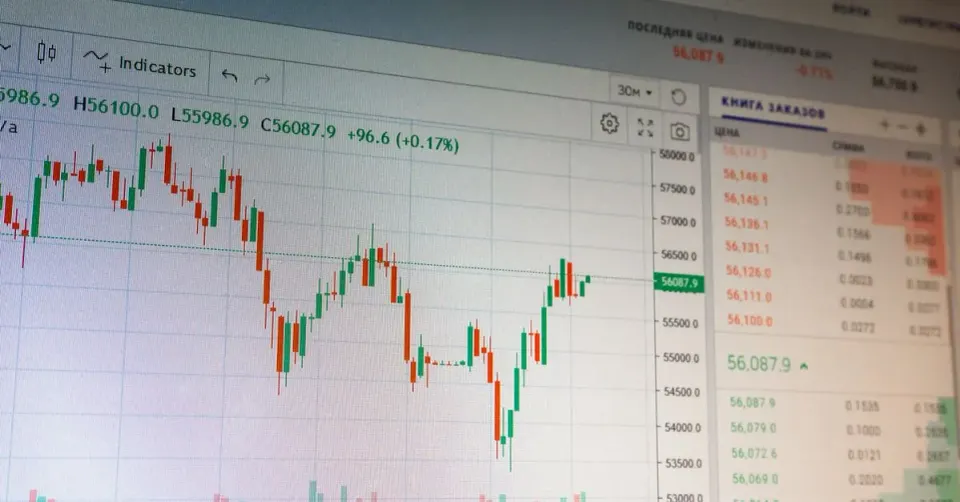
Meanwhile, the US dollar remained exceptionally stable in the open market. The selling price for the USD was recorded at 270,500 Toman, showing no change (0.0%) from the previous day’s close. This stability in the exchange rate, despite the intense political headlines from abroad, suggests that the Central Bank may be intervening to prevent volatility during this sensitive election period in the Middle East. Cryptocurrency markets also showed signs of caution, with Bitcoin (BTC) trading at $79,974, just shy of the psychological $80,000 barrier, as investors weigh the potential for increased regulatory scrutiny or economic shifts following the US political reshuffling.
Frequently Asked Questions
چرا قیمت طلا در بازار تهران علیرغم ثبات دلار کاهش یافت؟
تاثیر انتخابات اسرائیل بر بازار ارز ایران چیست؟
دیدار پزشکیان و امیر قطر در مسکو چه اهمیتی برای اقتصاد دارد؟
Understanding Geopolitical Risk and Market Volatility
In an increasingly interconnected world, political events far from major financial centers can send ripples through global markets. This phenomenon is best understood through the concept of Geopolitical Risk, which refers to the potential for political instability, conflicts, policy shifts, or international tensions to negatively impact economic and financial stability. These risks can range from domestic political turmoil and elections within a powerful nation to regional conflicts, trade disputes, or diplomatic breakdowns between states. The headline's mention of US political turmoil and Israeli elections, alongside specific market reactions in Tehran, vividly illustrates how such risks play out.
Geopolitical risk primarily affects markets by creating uncertainty. When investors perceive a heightened risk of instability, they tend to re-evaluate their asset holdings, often leading to increased volatility. This can manifest in several ways: a flight to perceived safe-haven assets (though even these can behave unexpectedly under specific local conditions, as suggested by gold's dip in Tehran), fluctuations in currency exchange rates as capital moves across borders, and shifts in commodity prices. The mention of the USD/IRR exchange rate and the behavior of gold and local cryptocurrencies like Emami coin are direct indicators of how this global uncertainty translates into tangible impacts on local markets and investor sentiment.
The various keywords—from US legal battles and Israeli elections to Iran's regional engagements and infrastructure threats—all contribute to a complex web of geopolitical uncertainty. Each event, whether domestic or international, adds a layer of unpredictability that market participants must factor into their decisions. This collective uncertainty creates a 'risk premium' that can drive down asset prices, increase borrowing costs, or cause capital outflows, especially in economies perceived as more vulnerable to regional or global shocks. Understanding geopolitical risk is crucial for anyone trying to make sense of why seemingly disparate political events can have a profound and immediate impact on their local economy and investment portfolio.
Topics
Related Articles