Nordic Leaders Break Silence in Rare Putin Call as UK Charges Iranian Intelligence Operatives
تماس غیرمنتظره سران شمال اروپا با پوتین و بازداشت عوامل مرتبط با ایران در انگلیس
Finnish and Norwegian leaders held a high-stakes call with Vladimir Putin ahead of peace talks, while the UK justice system targets a suspected Iranian intelligence plot at a strategic airbase.
At time of publishing
USD
270,700
Toman
Gold 18K
26.20M
Toman / gram
Bitcoin
$79,787
US Dollar
Tether
271,069
Toman
Diplomatic Thaw or Tactical Pivot? Nordic Leaders Confront Putin
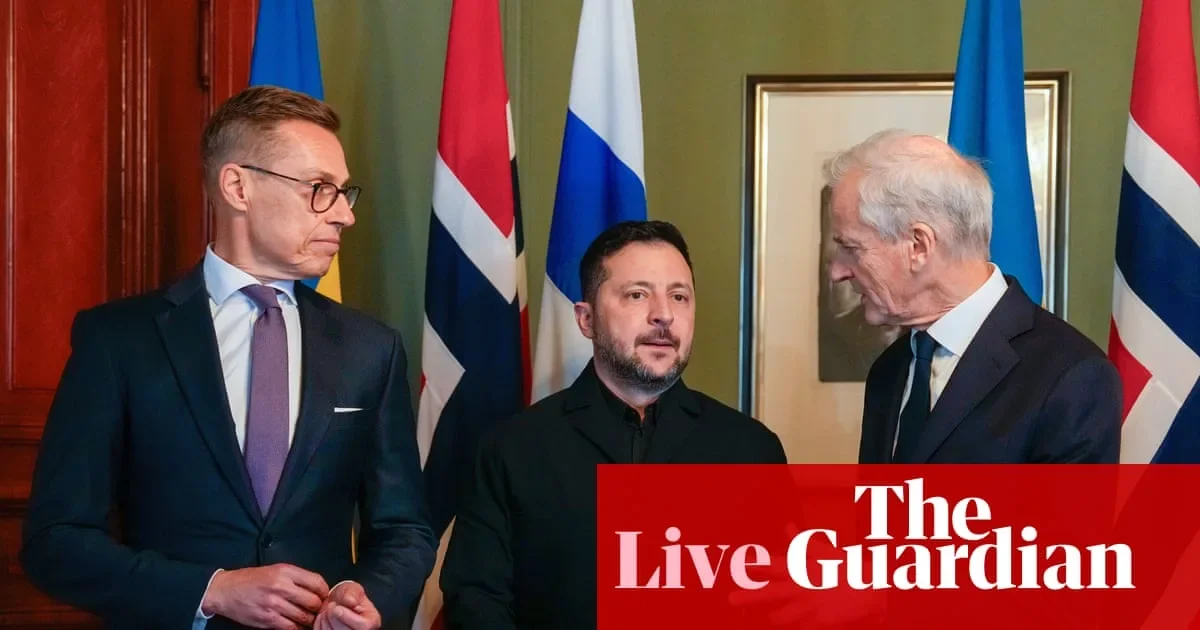
In a development that has caught the international community by surprise, Finnish President Alexander Stubb and Norwegian Prime Minister Jonas Gahr Støre held what has been described as a "frank and substantive" telephone conversation with Russian President Vladimir Putin. This rare direct engagement comes at a critical juncture, as preparations intensify for the upcoming peace summit in Abu Dhabi. The Nordic leaders reportedly briefed Ukrainian President Volodymyr Zelenskyy immediately after the call, signaling a coordinated European effort to test the waters for a potential de-escalation in the Ukraine conflict. However, the tone remains cautious; the leaders emphasized that while dialogue is open, their commitment to Ukraine’s sovereignty remains absolute.
This diplomatic maneuver occurs against a backdrop of heightened military anxiety in Europe. British Defence Secretary Wes Streeting has simultaneously warned that Putin is actively testing NATO's resolve through hybrid threats and state-sponsored provocations. Streeting’s rhetoric reflects a growing consensus in London and Warsaw that the alliance must be prepared for a direct confrontation to prevent one from ever occurring. The Abu Dhabi talks represent a high-stakes gamble: they offer a path to peace, but they also risk giving Moscow a platform to exploit divisions within the Western coalition. For global markets, this diplomatic flurry is a double-edged sword, offering a glimmer of hope for energy stability while maintaining the high-risk premium associated with the ongoing war.

Iranian Intelligence Plot Foiled at RAF Fairford
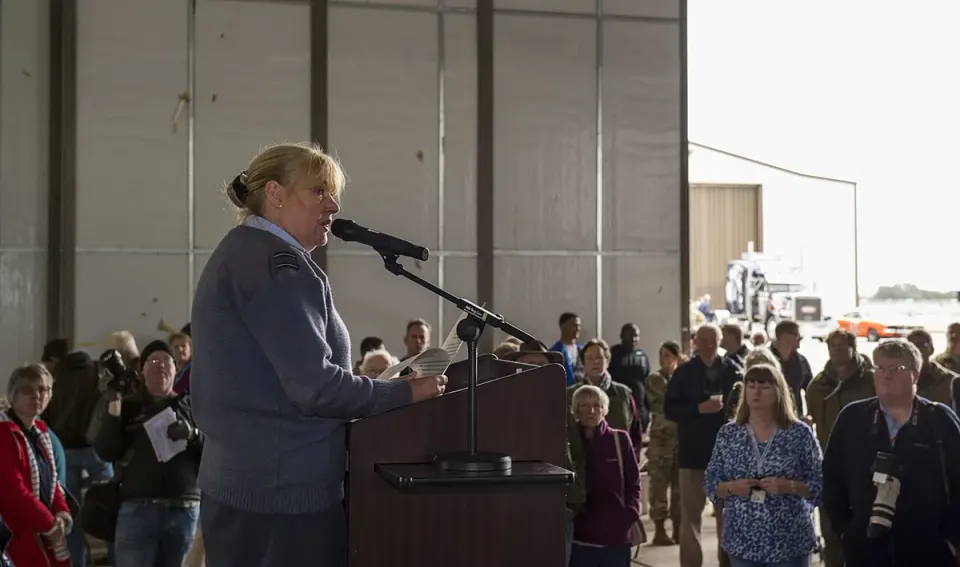
Security tensions between London and Tehran have escalated following the charging of two individuals, Mohmed Ahmad Abdulkarim and Nouman Essghir, over an alleged plot to assist Iranian intelligence services. The duo is accused of involvement in an incident at RAF Fairford, a strategic airbase in Gloucestershire frequently used by US long-range bombers. This case, which is set to appear before Westminster Magistrates' Court, highlights the increasing boldness of foreign intelligence operations on British soil. The British government has recently been more vocal about what it terms "state-sponsored terrorism," explicitly linking these activities to the Iranian regime's broader strategy of regional and international destabilization.
For the Iranian public and the diaspora, this development is more than just a security headline; it represents a deepening of the diplomatic isolation that continues to weigh on the Toman. As the UK and its allies tighten their counter-intelligence nets, the likelihood of further sanctions or diplomatic downgrades increases. This friction directly impacts the perceived risk of doing business with Iran, contributing to the persistent volatility in the foreign exchange markets. In Tehran, while officials continue to meet with regional counterparts from Pakistan and Turkey to discuss de-escalation, these security incidents in Europe create a counter-narrative of hostility that complicates any path toward sanctions relief or economic normalization.
Market Volatility: Bitcoin Slips and Big Tech Faces the AI Reality Check
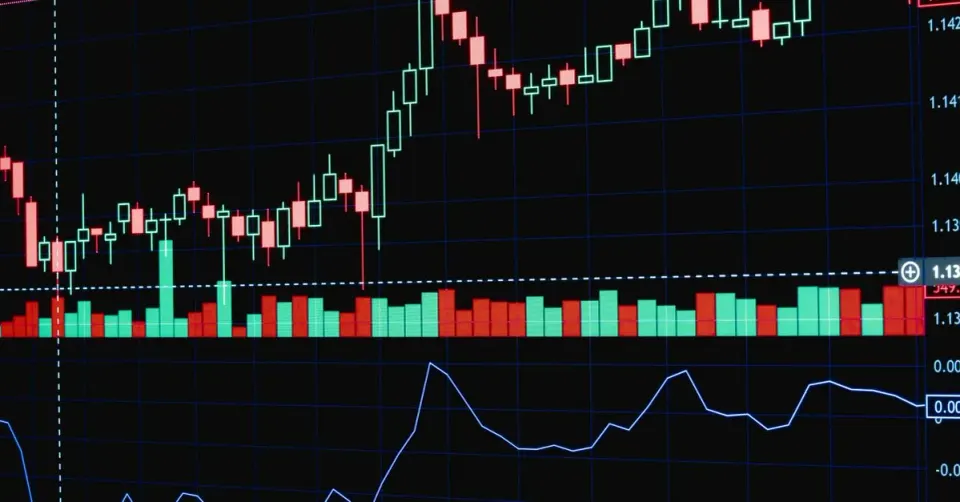
Global financial markets are currently navigating a complex landscape defined by cooling crypto fervor and looming corporate earnings. Bitcoin (BTC) has slipped below the psychological $80,000 mark, trading at approximately $79,787 as major institutional players like Ark Invest begin to rebalance their portfolios. The move by Cathie Wood’s firm to sell nearly $16 million of its Bitcoin ETF while buying into Circle shares suggests a strategic pivot toward infrastructure and stablecoin-adjacent assets rather than pure price speculation. This cooling off in the crypto sector is mirrored by a cautious atmosphere in the tech-heavy Nasdaq, where investors are bracing for quarterly reports from Alphabet, Amazon, and Microsoft. The primary concern is no longer just how much these giants are spending on AI, but whether that investment is translating into tangible productivity gains and job market shifts.
In the domestic Iranian market, the currency has seen a marginal depreciation. The USD sell rate moved from 270,500 to 270,700 Toman (+0.1%), reflecting a stalemate between inflationary pressures and the central bank's intervention efforts. Meanwhile, gold has seen a slight correction; 18k gold per gram fell from 26,358,557 to 26,201,579 Toman (-0.6%), and the Emami coin dropped to 267,500,000 Toman (-0.4%). This localized dip in gold prices, despite the global ounce holding strong at over $4,000, suggests a temporary saturation in domestic demand as savers wait for clearer geopolitical signals from both the US elections and the ongoing regional diplomatic summits in Tehran.
The Cost of Living Crisis: UK’s ‘Everyday Fixes’ and Global Economy
British Chancellor John Healey has announced a series of targeted measures aimed at providing "breathing space" for households struggling with the cost of living. These include cutting tariffs on over 100 food products—symbolically highlighted by items like gherkins and baked beans—and a continued freeze on fuel duty. While the opposition has dismissed these as minor "everyday fixes," the move represents a broader global trend of governments attempting to micro-manage inflation to prevent social unrest. For the global economy, these tariff cuts are a small but significant signal of a move away from protectionism in essential goods, even as broader trade wars over technology and energy continue to simmer.
This shift in UK policy mirrors the survival strategies being seen in other major economies. In the United States, the debate over taxing billionaires has resurfaced as a core issue for democratic stability, with economists like Angus Deaton arguing that extreme wealth concentration undermines the social contract. Whether it is through tariff adjustments in London or tax debates in Washington, the underlying theme is the same: the global middle class is under immense pressure. For investors, this means that consumer-facing sectors may see a slight boost in the short term, but the long-term outlook remains clouded by the massive debt loads and structural shifts brought about by the AI revolution and the transition to a multi-polar world order.
Frequently Asked Questions
چرا تماس سران فنلاند و نروژ با پوتین اهمیت دارد؟
ماجرای بازداشت عوامل مرتبط با ایران در بریتانیا چیست؟
چرا قیمت طلا در ایران با وجود ثبات جهانی کاهش یافت؟
Understanding State-Sponsored Terrorism
State-sponsored terrorism refers to a government's direct or indirect support for terrorist groups or acts. This complex and controversial phenomenon involves a nation-state providing resources, training, safe haven, intelligence, or even direct operational assistance to non-state actors or its own intelligence operatives to carry out violent acts against perceived enemies. Unlike conventional warfare, state sponsorship often aims to achieve political objectives covertly, allowing the sponsoring state plausible deniability and avoiding direct military confrontation, thereby complicating international responses.
The motivations behind state-sponsored terrorism are varied. States might resort to such tactics to project power, destabilize rival nations, influence regional conflicts, or retaliate against perceived threats without escalating to open warfare. It can be a cost-effective way to wage proxy wars, undermine adversaries' stability, or exert influence in foreign territories. The targets are often civilians or critical infrastructure, designed to create fear, disrupt daily life, and pressure opposing governments or populations.
Identifying and proving state sponsorship is notoriously difficult, as operations are often clandestine and designed to obscure the state's involvement. Evidence typically comes from intelligence gathering, defector testimonies, and forensic analysis of attacks. When a state is formally accused or sanctioned for sponsoring terrorism, it carries significant diplomatic, economic, and political repercussions, including international isolation, trade embargoes, and financial penalties. The recent charges by the UK against alleged Iranian intelligence operatives, as hinted in the headline, exemplify the challenges and complexities involved when a nation confronts suspected state-sponsored activities on its soil, highlighting the blurred lines between espionage, covert operations, and terrorism in modern geopolitics.
Topics
Related Articles