IRGC Security Operation in Southeast Stabilizes Toman as Boeing Stumbles Globally
تثبیت نسبی قیمت دلار در پی عملیات امنیتی سپاه؛ بحران بوئینگ و تنش در مرزهای سوریه
Iranian security forces dismantled two insurgent cells in Sistan and Baluchestan, providing a psychological cushion for the Toman. Meanwhile, Boeing's deepening delivery crisis and Jordanian airstrikes in Syria keep global markets on edge.
At time of publishing
USD
269,800
Toman
Gold 18K
26.16M
Toman / gram
Bitcoin
$80,514
US Dollar
Tether
269,611
Toman
Security Operations in Sistan and Baluchestan Impact Market Sentiment
The Islamic Revolution Guards Corps (IRGC) Ground Force’s Quds Headquarters reported on Tuesday, October 27, 2026, that it has dismantled two separate terrorist cells in the southeastern cities of Saravan and Iranshahr. According to Iranian state media, the operation resulted in the arrest of several members who were allegedly planning coordinated attacks within the province. While the government frequently reports such operations to project an image of domestic stability, the timing of these arrests often coincides with periods of heightened regional tension, serving as a signal to both domestic audiences and foreign adversaries that the security apparatus remains vigilant.
For the Iranian public and local traders, these security developments have a direct, albeit psychological, impact on the currency market. In the 22:00 Tehran session, the USD/IRR exchange rate showed a slight cooling, moving from 270,500 Toman to 269,800 Toman, a decrease of 0.3%. This minor appreciation of the Toman suggests that the immediate risk premium associated with internal instability has slightly eased. However, the underlying economic pressures—driven by systemic inflation and international isolation—remain the dominant forces, making this a period of consolidation rather than a genuine recovery for the local currency.

Boeing’s Earnings Crisis and Global Industrial Fragility
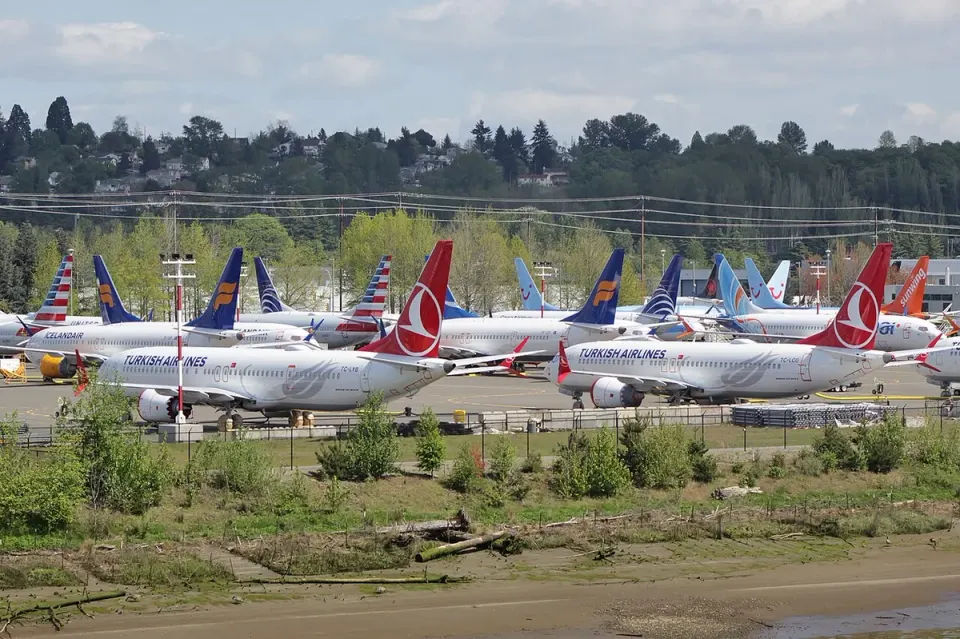
Global markets are currently digesting a significant blow to the industrial sector as Boeing shares tumbled following a disappointing earnings report. The aerospace giant confirmed it would fall significantly short on its 737 Max delivery targets, a disclosure that has cast deep shadows over its long-term turnaround strategy. This failure is not merely a corporate setback; it reflects broader supply chain instabilities and regulatory hurdles that continue to plague Western manufacturing. Investors, who had hoped for a clear path to recovery, are now reassessing the health of the entire aviation sector, leading to a broader pull-back in industrial indices.
The ripple effects of Boeing's struggle are being felt in the commodities and safe-haven markets. As confidence in major industrial stocks wavers, capital often flows toward gold. Despite a local 0.8% dip in gold prices in Tehran—where 18k gold moved from 26,358,557 to 26,160,025 Toman per gram—the global gold ounce remains historically high at $4,057.20. The disconnect between the slight local dip and the global high suggests that Iranian investors are currently taking profits or reacting to the local currency's stabilization, even as the global environment remains fundamentally bullish for precious metals due to corporate and geopolitical uncertainty.
Jordanian Retaliation in Syria Escalates Regional Risk
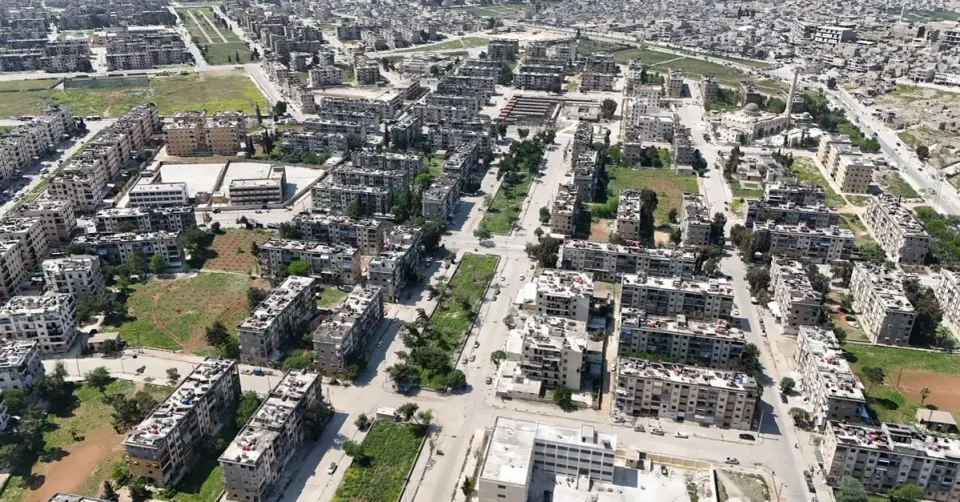
Geopolitical tensions in the Levant reached a new flashpoint late Monday as the Jordanian military launched deadly airstrikes into Syrian territory. Amman stated that the strikes specifically targeted Islamic State (ISIS) positions in retaliation for a recent attack on a Jordanian church. However, reports from Syrian agencies indicate that the strikes may have resulted in at least seven civilian casualties, adding a layer of humanitarian and diplomatic complexity to the situation. Jordan's increasing willingness to conduct cross-border operations signals a shift in its regional defense posture, as it seeks to insulate itself from the chaos of the Syrian civil war and the resurgence of extremist cells.
This escalation in Syria is a critical factor for Iranian market participants to watch. Any expansion of conflict involving neighbors like Jordan can lead to sudden shifts in oil prices and regional trade routes. While the Toman saw a minor gain today, the "war risk" remains the most volatile variable in the Iranian economy. If these border skirmishes evolve into a broader regional confrontation, the current stabilization at the 269,800 level for USD could quickly evaporate. Traders are keeping a close eye on whether this remains a contained retaliatory strike or the beginning of a more aggressive Jordanian campaign in southern Syria.
Scientific Ambition vs. Economic Reality in Tehran
In a series of statements released via IRNA, the head of Iran’s Academic Center for Education, Culture and Research (ACECR) and other advisers to the Supreme Leader emphasized a renewed focus on "scientific breakthroughs" and elite-driven progress. The rhetoric focuses on achieving "scientific authority" and pushing the boundaries of indigenous knowledge to bypass international sanctions. These institutional vows are part of a broader state narrative that attempts to pivot the national identity toward technological self-sufficiency, even as the country faces significant brain drain and limited access to global research networks.
For the average Iranian citizen, there is a stark contrast between these high-level scientific aspirations and the daily reality of the marketplace. While the Emami coin dropped 0.7% today to 266,500,000 Toman, the cost of living remains prohibitively high for many. The state's emphasis on eliteness and scientific surges often feels disconnected from the structural economic reforms needed to stabilize the Toman in the long term. Until scientific progress can be translated into diversified exports and a more robust industrial base, these announcements remain largely symbolic, serving more as political signaling than as immediate drivers of economic value.
Frequently Asked Questions
Why did the Toman strengthen slightly despite regional tensions?
What is causing the crisis at Boeing and how does it affect gold?
How do Jordanian strikes in Syria impact the Iranian economy?
Currency Pegs and Managed Floats: How Iran’s Toman Is Stabilized Amid Geopolitical Turbulence
In the world of foreign exchange, a currency peg is a policy where a nation ties its own money to the value of another, usually a stable currency such as the US dollar. Iran officially maintains a managed float for the rial (IRR) and the newer "toman" (IRR = 10 toman), meaning the Central Bank of Iran (CBI) intervenes regularly to keep the exchange rate within a target band while still allowing limited market forces to operate. This hybrid approach helps dampen sudden swings caused by sanctions, oil‑price shocks, or regional security events.
When the Islamic Revolutionary Guard Corps (IRGC) launched a high‑profile security operation in Sistan‑Baluchestan, the Iranian government used the moment to showcase its control over the economy. By announcing tighter monetary controls, releasing strategic foreign‑exchange reserves, and temporarily restricting certain imports, the CBI nudged the toman’s market price back toward its official band. Such coordinated actions illustrate how political signaling—the perception that the state can maintain order—can be as powerful as direct market interventions.
A managed float also creates a dual‑exchange‑rate system: an official rate used for essential imports and government contracts, and a parallel market (often called the “free market” or “black market”) where the real supply‑and‑demand price emerges. The gap between these rates can widen dramatically during crises, fueling inflation and capital flight. By narrowing the spread—through reserve sales or tighter credit policies—the authorities aim to restore confidence, curb inflation, and keep gold prices (a popular hedge in Tehran) from spiraling.
Understanding Iran’s exchange‑rate regime is crucial for investors watching the global gold market, Boeing’s delivery delays, or regional air‑strike dynamics. A stable toman reduces the cost of importing aircraft parts, eases the burden on airlines facing the 737 Max delivery crunch, and stabilizes the purchasing power of Iranians buying gold as a store of value. In short, the interplay between currency pegs, managed floats, and geopolitical events shapes both domestic purchasing power and Iran’s integration into the global economy.
For a deeper dive, see the references below which explain the mechanics of currency pegs, Iran’s specific policy choices, and recent market reactions.