Tommy Robinson Guilty, PetroChina Profits Soar, GSK Shares Tumble
تامی رابینسون مجرم شناخته شد، سود پتروچاینا جهش کرد، سهام GSK سقوط کرد
British activist Tommy Robinson has been found guilty of harassing two journalists, while PetroChina reported a significant jump in third-quarter profits driven by high energy prices. Elsewhere, GSK shares experienced a sharp decline due to weaker vaccine sales, impacting investor sentiment.
At time of publishing
USD
270,700
Toman
Gold 18K
26.41M
Toman / gram
Bitcoin
$80,505
US Dollar
Tether
270,494
Toman
Tommy Robinson Convicted of Harassment
Tommy Robinson, a prominent right-wing activist, has been found guilty of harassing two journalists from the Daily Mail. The conviction came after a week-long trial at Southwark Crown Court. This verdict marks a significant legal development for Robinson, who has been a polarizing figure in British public life, often associated with anti-Islam protests and activism.
The implications of this ruling extend beyond Robinson himself. For the media, it underscores the ongoing challenges and risks faced by journalists reporting on sensitive or controversial topics. It also highlights the legal avenues available to individuals who feel targeted or harassed by public figures. For the public, it raises questions about free speech, public order, and the boundaries of activism, particularly in an era of heightened political polarization.
---
PetroChina's Q3 Profit Soars on High Energy Prices
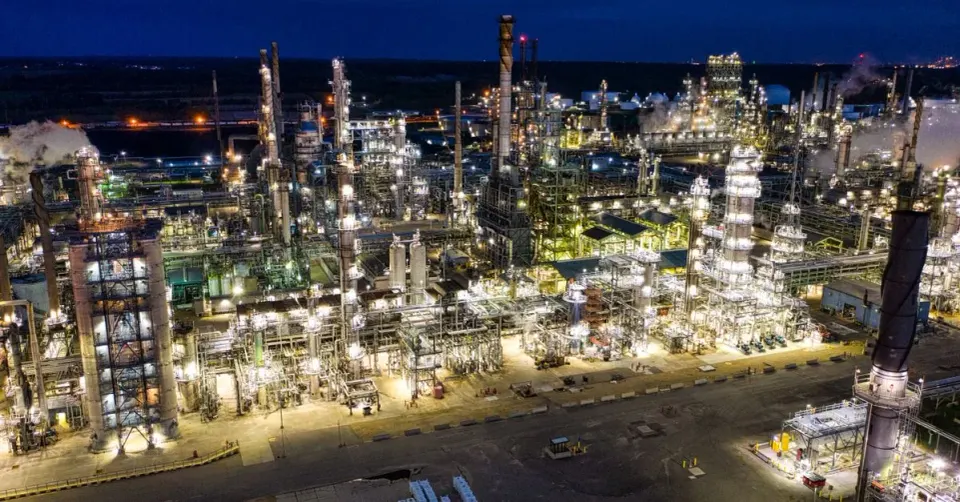
PetroChina, Asia's largest oil and gas producer, announced a substantial 21.6% increase in its third-quarter net profit, reaching $7.78 billion. This surge is largely attributed to the elevated prices of oil and gas, exacerbated by geopolitical tensions and supply disruptions in regions like Iran. Despite the profit boost, the company's crude output and domestic diesel sales saw a decline during the same period, suggesting a complex operational environment.
This performance underscores the significant impact of global energy market volatility on major oil corporations. For consumers and the broader economy, PetroChina's robust earnings highlight the sustained pressure of high energy costs, which contribute to inflation and impact household budgets. The company's strategy, balancing increased revenue from high prices with potentially falling output, will be closely watched as global energy demand and supply dynamics continue to shift.
---
GSK Shares Tumble on Vaccine Sales Concerns
Shares of the British pharmaceutical giant GSK experienced a significant drop today, despite the company reporting better-than-expected financial results for the July-September quarter. Investors were primarily unnerved by weaker-than-anticipated sales figures for its recently launched respiratory syncytial virus (RSV) and shingles vaccines, as well as other new medications. The company's pre-tax profit saw a 19% decline, partly due to restructuring charges.
This market reaction illustrates the high expectations placed on GSK's new product pipeline, particularly in the wake of its recent demerger and strategic shifts. The sell-off signals investor sensitivity to any perceived headwinds in revenue growth from key therapeutic areas. For the healthcare sector, it raises questions about market penetration of new vaccines and the competitive landscape for treatments targeting age-related diseases. The long-term impact will depend on GSK's ability to demonstrate sustained sales growth and market acceptance for its innovative drugs.
---
Spain Train Crash Investigation Underway
A deadly train crash in the province of Toledo, south of Madrid, Spain, has prompted an urgent investigation into its causes. Over 500 passengers were reportedly on board the trains when the incident occurred, leading to significant casualties and disruptions. Emergency services have been deployed to the scene, and authorities are working to determine the sequence of events that led to this tragedy.
The investigation will focus on various potential factors, including track conditions, signaling systems, train maintenance, and human error. Such incidents often have a profound impact on public confidence in rail travel and can lead to stringent regulatory reviews and safety upgrades. The findings will be crucial not only for understanding this specific event but also for informing safety protocols across the wider European rail network, where efficiency and safety are paramount.

---
Bitcoin Holds Steady Amid Fed Anticipation
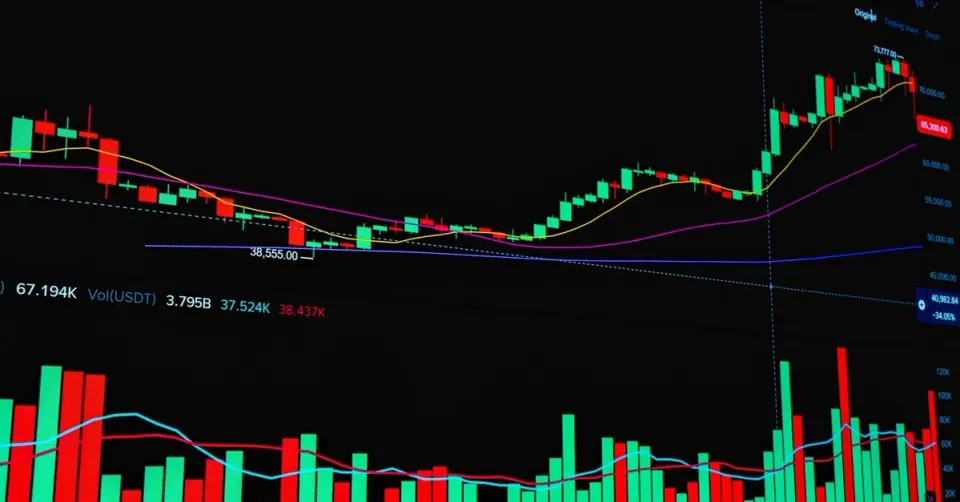
Bitcoin has seen a slight pullback, trading around $80,505, after a brief tech-driven rebound, as traders await the Federal Reserve's interest rate decision. The market widely anticipates a hold, but the accompanying commentary on future monetary policy will be keenly observed for its potential impact on risk assets like cryptocurrencies. Google Cloud's announcement of a preview MPC service for institutional Bitcoin custody signals continued development in the infrastructure supporting digital assets.
This period of anticipation highlights the intertwined nature of macroeconomic policy and the cryptocurrency market. While institutional interest in custody solutions like Google's suggests growing maturity, the broader market remains sensitive to central bank actions. Traders will be looking for any cues that might influence liquidity and investor appetite for risk, which are critical drivers for Bitcoin's price movements in the near term. The upcoming Fed decision, while expected to be a hold, carries significant weight for shaping market sentiment.
Frequently Asked Questions
What was Tommy Robinson convicted of?
Why did PetroChina's profits increase so significantly?
What caused GSK's share price to fall?
What is the current status of the investigation into the Spain train crash?
What is the market expecting from the Federal Reserve today?
Understanding What Drives Stock Prices: PetroChina's Rise and GSK's Fall
When headlines report vastly different fortunes for major corporations—like PetroChina's soaring profits and GSK's tumbling shares—it highlights a fundamental concept in finance: stock prices and corporate performance are driven by a complex interplay of factors, leading to highly divergent outcomes even within the same market cycle. This isn't random; it's a reflection of how specific industries, macroeconomic conditions, and investor sentiment can uniquely impact a company's valuation.
One of the most significant drivers is industry-specific factors. For an energy giant like PetroChina, global commodity prices—particularly oil and natural gas—are paramount. High energy prices, often spurred by geopolitical events, supply chain disruptions, or robust industrial demand, directly translate into increased revenues and profits. Conversely, pharmaceutical companies like GSK are heavily influenced by the success of their drug development pipelines, patent expirations, regulatory approvals, and the market demand for specific products, such as vaccine sales. A decrease in demand for a key vaccine or the failure of a promising new drug can rapidly diminish a company's financial outlook and investor confidence.
Beyond industry specifics, broader macroeconomic conditions and investor sentiment play a crucial role. While sector-specific news often provides the most immediate impetus for stock movements, overarching economic trends cannot be ignored. Factors such as interest rates (influenced by central banks like the Federal Reserve), inflation, and overall economic growth can affect all companies by altering consumer spending, production costs, and borrowing expenses. Furthermore, investor sentiment, which is shaped by expectations of future earnings, market news, and geopolitical stability, can lead to significant shifts in share prices, sometimes independently of a company's immediate financial results.
Ultimately, the contrasting performance of companies like PetroChina and GSK serves as a powerful illustration of the multifaceted nature of market dynamics. Understanding this intricate web of micro (company-specific), meso (industry-specific), and macro (economic) factors is essential for interpreting market news, appreciating why different companies can experience such varied fates simultaneously, and making informed decisions in the financial world.
Topics
Related Articles