Israel Election Deadlock & UK Budget Relief: Gold Surges to 26.3M Toman Amid Global Economic Storms
بنبست سیاسی در اسرائیل و طوفان بودجهای بریتانیا؛ طلا در بازار تهران به ۲۶.۳ میلیون تومان رسید
Israel's election remains in a deadlock with 92% of votes counted, while the UK unveils a major energy relief budget. In Tehran, gold prices climbed 0.9% to reach 26.3 million Toman per gram as global uncertainty persists.
At time of publishing
USD
270,400
Toman
Gold 18K
26.39M
Toman / gram
Bitcoin
$80,604
US Dollar
Tether
270,055.51
Toman
Israel Election Deadlock: No Clear Path to Power
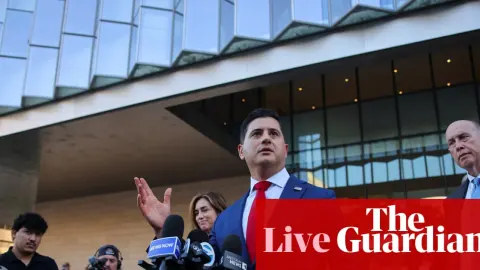
With 92% of the ballots counted in Israel’s latest election, the political landscape remains fractured. Neither the bloc led by Benjamin Netanyahu nor the main opposition has secured the 61 seats required for a governing majority. This stalemate suggests a prolonged period of coalition negotiations, leaving the country’s regional policy in a state of flux. Interestingly, Palestinian parties are projected to make significant gains, a development that analysts suggest will fundamentally redraw the political map and potentially complicate future security narratives in the region.
For Iranian observers, this deadlock is more than just a domestic Israeli issue. The lack of a stable government in Tel Aviv often correlates with unpredictable regional escalations or, conversely, a diplomatic paralysis. As President Pezeshkian recently noted the importance of ending the 'neither war nor peace' status quo, the internal chaos of Iran's primary regional adversary could either delay or accelerate shifts in the shadow war. Markets are already pricing in this uncertainty, contributing to the flight toward safe-haven assets like gold.

---
UK Budget 2026: Navigating 'Global Economic Storms'
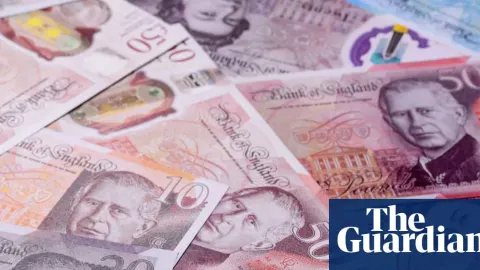
In London, Chancellor John Healey has delivered his first budget under the Andy Burnham government, framing it as a shield against 'global economic storms.' The centerpiece of the announcement is a £100 payment to 20 million households to help mitigate the ongoing energy crisis. Furthermore, the Chancellor announced a 3% rise in bank taxes, signaling a shift toward more aggressive fiscal redistribution to support the working class. Healey’s speech emphasized that while Britain is not immune to global volatility, strategic intervention is necessary to prevent a total cost-of-living collapse.
This fiscal pivot in one of the world's major economies reflects a broader global trend of increasing state intervention to manage inflation and energy costs. For the global economy, the UK's move to tax banks more heavily while subsidizing consumers could influence how other G7 nations approach their 2027 fiscal planning. It also highlights the persistent nature of energy-driven inflation, which continues to keep global interest rates high and, by extension, maintains the high valuation of the US Dollar against emerging market currencies like the Toman.

---
Tehran Market Update: Gold and USD Edge Higher
Domestic markets in Iran are reacting to the confluence of regional tension and global economic shifts. Today, October 28, 2026, the price of 18k gold rose from 26,160,025 to 26,386,259 Toman, marking a 0.9% increase in just 24 hours. The Emami coin also saw a 0.6% climb, moving from 266,500,000 to 268,000,000 Toman. These movements reflect a domestic hedge against inflation as the USD sell rate edged up 0.3% to 270,400 Toman.
The rise in gold is particularly notable as the global ounce remains at a historic high of $4,050.10. Iranian investors are increasingly moving away from traditional savings toward hard assets, fearing that the 'neither war nor peace' directive mentioned by state officials might precede a period of heightened economic pressure. Crypto markets offer a similar story of resilience, with Bitcoin holding steady at $80,604, providing an alternative digital hedge for younger Iranian traders looking to bypass the volatility of the local currency.

---
Legal Precedents and Social Accountability
Beyond the markets, two high-profile legal cases are capturing global attention. In the UK, the trial involving Joanne Young has shocked the public with allegations of a complex sexual offense involving a blindfolded victim and multiple defendants. Simultaneously, the trial of Russell Brand continues to develop, with the entertainer claiming he could not find witnesses to testify on his behalf regarding allegations of sexual assault dating back to the mid-2000s. These cases highlight a growing global emphasis on accountability and the complexities of legal consent in the modern era.
While these stories may seem detached from finance, they reflect the social stability and judicial integrity of major Western hubs where significant Iranian capital is often parked or transacted. The outcome of such high-profile trials can influence social policy and public sentiment, which in turn affects the political stability of these nations. For a global audience, these developments serve as a reminder that institutional trust is being tested across all sectors, from the halls of parliament to the courtrooms of justice.
Frequently Asked Questions
Why is gold rising in Iran despite stable global markets?
How does the Israeli election deadlock affect the Toman?
What is the significance of the UK's 3% bank tax for global markets?
Gold as a Safe-Haven Asset
In times of global economic turbulence and geopolitical uncertainty, certain assets gain prominence as investors seek refuge from volatility. Among these, gold stands out as a quintessential safe-haven asset. A safe haven is an investment that is expected to retain or increase in value during periods of market downturns or instability. Unlike stocks, which can plummet with corporate performance or economic outlooks, or bonds, which carry credit risk, gold has historically been perceived as a reliable store of value. Its tangibility, limited supply, and universal acceptance across cultures and economies contribute to its enduring appeal.
The recent surge in gold prices, as highlighted by the headline, is a direct reflection of this safe-haven appeal. Events like election deadlocks, global economic storms, or even concerns over national budgets can trigger investor anxiety. When confidence in traditional financial markets wavers, or when there's a perceived threat of inflation or currency devaluation (as suggested by the USD/IRR exchange rate), investors often flock to gold. This increased demand, driven by a desire to preserve wealth and hedge against economic shocks, pushes up its price.
Furthermore, for countries experiencing significant currency devaluation, like Iran with its Toman, the local price of gold can surge even more dramatically. Gold is typically priced internationally in U.S. dollars. Therefore, if a local currency weakens substantially against the dollar, it takes far more units of that local currency to purchase the same amount of gold. This dual effect – rising international gold prices due to global uncertainty and a weakening local currency – can lead to substantial increases in gold's value when expressed in local terms, offering a critical hedge for individuals and institutions against inflationary pressures.
Topics
Related Articles