Panahi Sentenced to 5 Years as Fed Holds Rates; Gold Surges to 26.4M Toman Amid Global Tensions
حکم ۵ سال زندان برای جعفر پناهی همزمان با توقف نرخ بهره آمریکا؛ طلا به ۲۶.۴ میلیون تومان رسید
Iranian director Jafar Panahi faces a new five-year sentence and asset seizure, while the US Federal Reserve keeps interest rates steady at 3.75-4% ahead of the midterms. In Tehran, gold prices climbed 1% as geopolitical uncertainty drives safe-haven demand.
At time of publishing
USD
270,700
Toman
Gold 18K
26.43M
Toman / gram
Bitcoin
$81,120
US Dollar
Tether
270,511.322
Toman
Judicial Pressure Mounts: Jafar Panahi Sentenced in Absentia
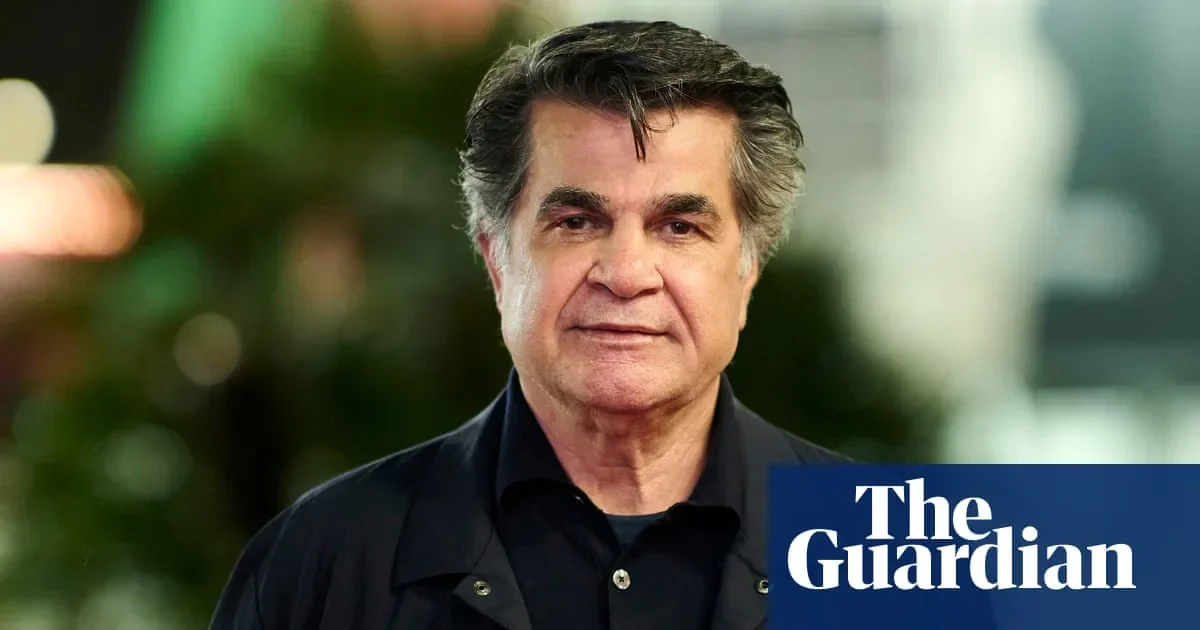
In a move that signals an intensifying crackdown on Iran’s cultural and artistic community, an Iranian court has sentenced award-winning filmmaker Jafar Panahi to five years and one month in prison. The sentence, handed down in absentia, also includes a draconian order for the seizure of all his assets, a two-year travel ban, and a prohibition on using social media. Panahi, who won the prestigious Palme d’Or at Cannes just last year for his film It Was Just an Accident, remains a symbol of creative resistance, and this latest judicial action appears designed to not only silence his voice but to financially cripple one of the country's most prominent international figures.
The charges against the 66-year-old director remain opaque, though his lawyer, Mostafa Nili, confirmed the sentence was linked to alleged 'propaganda activities.' This development comes as the Iranian government continues to tighten its grip on dissent, targeting high-profile individuals who maintain global platforms. For the Iranian public, such rulings often serve as a barometer for the domestic political climate; the severity of the asset seizure suggests a shift toward more aggressive punitive measures that go beyond simple incarceration, aiming to dismantle the influence of those who challenge the state's narrative.

Fed Holds Rates Steady as Inflation Shadows Midterms
Across the Atlantic, the US Federal Reserve has decided to leave interest rates unchanged in its final meeting before the upcoming midterm elections. The rates remain in the 3.75% to 4% range, marking one of the highest pre-election levels in over two decades. While ten members of the board voted for the pause, two members broke ranks to call for a quarter-point increase, highlighting the internal friction within the central bank as inflation continues to hover stubbornly above the 2% target. This decision comes despite significant political pressure, with figures like Donald Trump previously criticizing the Fed's hawkish stance.
For global markets and Iranian investors, the Fed’s 'wait-and-see' approach translates to sustained strength for the US Dollar. As long as US rates remain elevated, capital flows continue to favor the greenback, putting persistent pressure on emerging market currencies and the Iranian Toman. In Tehran today, the USD sell rate edged up from 269,600 to 270,700 Toman, a 0.4% increase. The Fed’s inability to definitively cool inflation suggests that the global high-interest-rate environment—and the resulting pressure on the Toman—is unlikely to ease before the end of the year.

Gold Hits New Peaks as Geopolitical Risk Rises
While the currency market saw modest shifts, gold and coins in Iran experienced a more pronounced surge. 18k gold rose from 26,160,025 to 26,432,429 Toman per gram, a solid 1.0% jump within 24 hours. The Emami coin also climbed to 268,000,000 Toman (+0.6%). This rally is driven by a combination of the Fed’s cautious stance and escalating regional tensions. With the global gold ounce trading at a staggering $4,054.30, the precious metal continues to act as the ultimate hedge for Iranians looking to protect their purchasing power against both domestic inflation and international instability.
Adding to the global sense of unease is the dramatic flight of Flávio Bolsonaro, the son of Brazil’s former president, who reportedly fled to Miami via Argentina after his passport was cancelled. Such high-profile geopolitical drama, combined with the tragic train crash in Spain that claimed at least 68 lives, reinforces a global mood of volatility. For the local market, these events increase the 'risk premium'—the extra cost people are willing to pay for the safety of gold and hard currency when the world feels increasingly unpredictable.
Nuclear Innovation and the Future of Energy
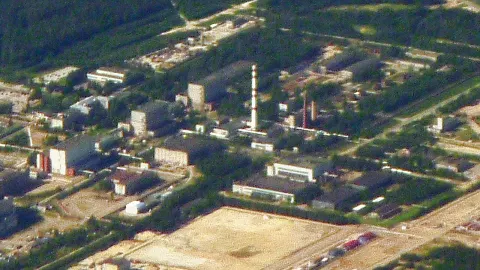
In the energy sector, a significant shift is underway as the shipping industry begins to look toward nuclear power to solve its massive carbon footprint. Commercial shipping currently accounts for approximately 3% of global greenhouse gas emissions, and the transition away from heavy fuel oil is becoming an economic necessity as well as an environmental one. This pivot toward nuclear-powered vessels could eventually revolutionize global trade routes and reduce the shipping industry's dependence on traditional oil bunkers, which are prone to price shocks and geopolitical disruptions in chokepoints like the Strait of Hormuz.
However, this transition is still in its early stages and faces significant regulatory and safety hurdles. For oil-dependent economies, the move toward nuclear shipping represents a long-term threat to demand. In the short term, banks like UBS are still forecasting Brent crude to hit $110 by year-end due to restricted supply from the Gulf. This duality—short-term oil scarcity versus long-term technological disruption—creates a complex landscape for Iranian energy policy, which remains caught between the need for immediate export revenue and the global rush toward a post-carbon economy.
Frequently Asked Questions
Why was Jafar Panahi's asset seizure included in his sentence?
How does the US Fed rate decision affect the Toman?
Why is the shipping industry moving toward nuclear power?
Understanding Gold as a Safe-Haven Asset Amid Global Uncertainty
In times of economic uncertainty and global geopolitical tensions, investors often seek refuge in assets perceived as stable stores of value. Gold, a precious metal, has historically served this role, earning the moniker of a 'safe-haven asset.' Unlike paper currencies or corporate stocks, gold's intrinsic value is not tied to the performance of a single government or company. Its tangibility, universal recognition, and limited supply make it an attractive option when traditional investments become volatile or lose their appeal.
The mechanism behind gold's safe-haven status is straightforward: when fear and uncertainty rise, demand for gold increases. This can be triggered by various factors, including geopolitical conflicts, financial crises, or even cautious monetary policy decisions by central banks like the Federal Reserve. For instance, if the Fed holds interest rates steady during a period of rising inflation or economic slowdown, it might signal underlying economic weaknesses or a reluctance to tighten monetary conditions, potentially leading to currency depreciation. In such scenarios, investors may shift capital from interest-bearing assets or vulnerable currencies into gold to preserve wealth.
The recent surge in gold prices, particularly in a market like Iran where the Toman has experienced significant depreciation against the USD, perfectly illustrates this phenomenon. Amid global tensions and domestic economic pressures, local investors likely view gold as a more reliable store of value than their national currency. While higher interest rates generally make non-yielding assets like gold less attractive, the overriding concern for wealth preservation during periods of high uncertainty and currency instability often trumps this effect, driving up gold's value both internationally and locally.
Understanding gold's role as a safe haven is crucial for comprehending market dynamics during crises. It explains why its price often moves inversely to other asset classes and why it remains a fundamental component of many investment portfolios, especially for those seeking to hedge against inflation, currency devaluation, and systemic risk.