Shell’s $10.8B Windfall: The High Price of Regional Conflict and the Stranded Voyage in Cambodia
سود ۱۰.۸ میلیارد دلاری شل در سایه تنشهای منطقه؛ سرگردانی مسافران کشتی تفریحی در کامبوج
Energy giant Shell has doubled its quarterly profits to $10.8 billion as regional instability drives up oil margins, while 200 cruise passengers are stranded in Cambodia due to soaring fuel costs. Meanwhile, the ECB faces a leadership transition as Christine Lagarde announces her early departure.
At time of publishing
USD
271,200
Toman
Gold 18K
26.20M
Toman / gram
Bitcoin
$80,076
US Dollar
Tether
270,797
Toman
The War Premium: Shell’s Profits Skyrocket Amid Regional Tension
Energy giant Shell reported on Thursday morning that its adjusted profit for the July-September quarter reached a staggering $10.8 billion, more than doubling the $5.4 billion recorded in the same period last year. This surge, which outperformed analyst expectations of $10.3 billion, is directly attributed to the ongoing conflict in the Middle East and the heightened tensions involving Iran, which have significantly pushed up the margins on oil and gas. While the company plans to return $5 billion to its shareholders, the news has drawn sharp criticism from climate campaigners who argue that energy corporations are profiting from geopolitical instability while ordinary consumers face rising costs.
For the global market, this development underscores the persistence of a "war premium" on energy prices. Despite various diplomatic overtures reported earlier, the actual supply-side dynamics remain tight, and the risk of disruption in the Strait of Hormuz continues to weigh heavily on price calculations. For Iranian readers, this trend is a double-edged sword; while higher global prices theoretically increase the value of energy exports, the associated sanctions environment and regional volatility continue to put upward pressure on the domestic cost of living and the USD/IRR exchange rate.
Stranded in Cambodia: The Human Cost of Energy Volatility
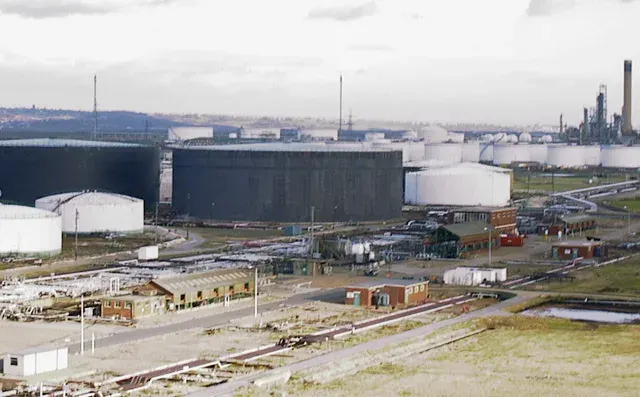
In a vivid illustration of how regional conflict impacts the global economy, approximately 200 passengers on a world cruise have been left stranded in Cambodia. The US-based operator, Villa Vie Residences, abruptly suspended the operations of its ship, the Odyssey, citing "extraordinary increases" in fuel costs stemming from the US-Israel-Iran conflict. Passengers who had paid significant sums to live on the ship while traveling the world now find themselves in a logistical nightmare, highlighting how quickly geopolitical shocks can dismantle even the most luxury-oriented sectors of the economy.
The suspension of the Odyssey’s voyage serves as a micro-example of the broader inflationary pressures hitting the transportation and logistics sectors. As fuel prices remain volatile and unpredictable, companies with thin margins are finding it impossible to maintain long-term commitments. This incident reflects a wider reality where the "hidden costs" of conflict—from insurance premiums to fuel surcharges—are being passed down to consumers, often with devastating personal consequences.

Leadership Vacuum: Lagarde to Exit the European Central Bank
Geopolitical uncertainty is now being matched by institutional shifts in the West. Christine Lagarde, the President of the European Central Bank (ECB), has announced she will step down in February 2027, nearly nine months before her official term was set to expire. The decision comes at a critical juncture for the Eurozone, which is grappling with stagnant growth and the complex task of navigating interest rate cuts without reigniting inflation. Her successor will be appointed by the European Council, and the transition is expected to trigger significant speculation in the currency markets.
This early departure adds another layer of unpredictability to the global financial landscape. Investors are already weighing the impact of a hawkish Federal Reserve against the ECB’s more cautious stance. For those holding Euro-denominated assets or tracking the EUR/USD pair, Lagarde’s exit signal suggests a period of potential policy drift. As the world watches the leadership transition in Europe, the focus remains on whether a new head can maintain the delicate balance between supporting economic recovery and defending the Euro against a strengthening US Dollar.
---
Market Pulse: Toman Edges Higher as Gold Retreats
As of 14:00 Tehran time on Thursday, October 29, 2026, the domestic markets are reflecting a mix of global cues and local demand. The US Dollar sell rate in the free market has edged up to 271,200 Toman, marking a 0.2% increase from the previous day’s 270,700. This slight upward movement suggests that despite regional diplomatic talk, the market remains cautious. Meanwhile, Bitcoin continues to hold steady above the $80,000 threshold, currently trading at $80,076, as crypto ETFs show renewed inflows despite a hawkish tone from the Fed.
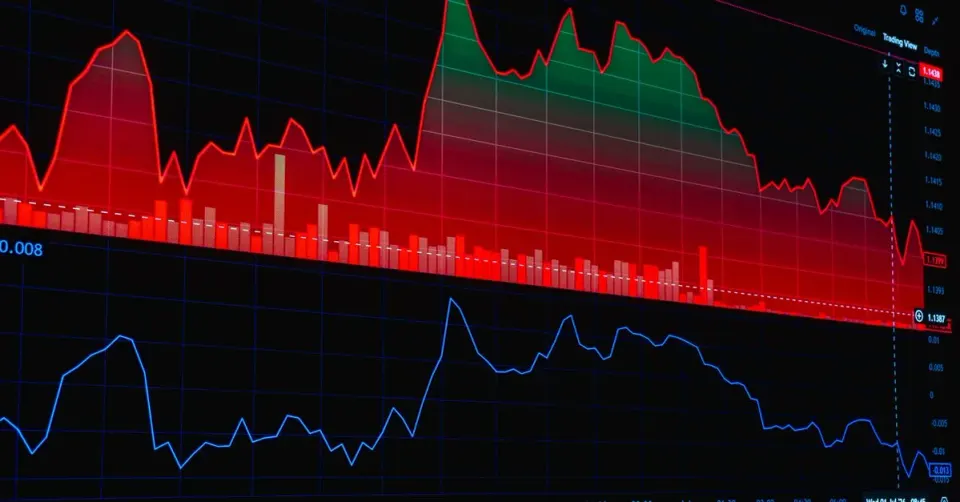
In the precious metals sector, we are seeing a notable correction. Gold 18k per gram has dropped from 26,432,429 to 26,201,579 Toman, a decrease of 0.9%. Similarly, the Emami coin has retreated by 0.6%, moving from 268,000,000 to 266,500,000 Toman. This divergence between a rising Dollar and falling Gold suggests a local liquidity shift or perhaps a reaction to the record-high global gold prices (now at $4,027.20 per ounce) hitting a temporary resistance level. For savers, this volatility highlights the importance of a diversified approach as the "conflict premium" remains baked into every asset class.
Frequently Asked Questions
چرا سود شرکت شل با وجود جنگ در منطقه دو برابر شده است؟
استعفای کریستین لاگارد چه تاثیری بر قیمت یورو خواهد داشت؟
دلیل واگرایی قیمت دلار و طلا در بازار امروز تهران چیست؟
Understanding the Geopolitical Risk Premium in Oil Prices
When news headlines speak of energy companies like Shell experiencing a multi-billion dollar "windfall" amidst regional conflicts, it highlights a crucial economic phenomenon: the geopolitical risk premium in oil prices. This premium is essentially an additional cost baked into the price of crude oil, reflecting the market's perception of potential supply disruptions or heightened demand due to political instability, conflicts, or even the credible threat of such events in key oil-producing or transit regions. It's not about the physical destruction of oil fields, but often about the fear of it, or the increased costs of ensuring safe passage for shipments.
This mechanism operates through several channels. Firstly, the mere possibility of conflict, as suggested by keywords like "Iran war oil margin," can lead traders and refiners to hoard supplies or purchase futures contracts, driving up demand and prices. Secondly, actual conflicts can disrupt shipping routes, increase insurance premiums for tankers, or lead to sanctions that reduce the global supply available to certain markets. Furthermore, governments might increase their strategic petroleum reserves in anticipation of prolonged instability, adding further pressure on demand. These factors collectively contribute to an elevated price that doesn't necessarily reflect current supply and demand fundamentals but rather the anticipated risks.
The impact of this premium is far-reaching. For consumers, it translates directly into higher prices at the pump and increased costs for goods and services, contributing to inflation. For energy companies like Shell, with diversified operations and existing contracts, these periods of elevated oil prices can indeed lead to significant profit margins, or "windfalls," as their production costs might remain relatively stable while market prices surge. This dynamic underscores how geopolitical events, even those geographically distant from major consumer markets, can have profound and immediate effects on global energy markets and the financial health of nations and corporations alike.