
ServiceNow’s Record 24% Crash and the Mushroom Murder Appeal: Toman Edges to 271,600
سقوط تاریخی ۲۴ درصدی سهام سرویسناو و معمای قتلهای قارچی؛ دلار به ۲۷۱,۶۰۰ تومان رسید
Global markets are reeling from a massive tech sell-off as ServiceNow suffers its worst day ever, while the Toman edges higher in Tehran. Meanwhile, the legal world watches Australia as the 'mushroom murder' case enters a critical appeal phase.
At time of publishing
USD
271,600
Toman
Gold 18K
26.19M
Toman / gram
Bitcoin
$80,554
US Dollar
Tether
271,774
Toman
The Mushroom Murder Appeal: A Global Legal Spotlight
The eyes of the international legal community are fixed on Victoria, Australia, as the high-profile 'mushroom murder' case involving Erin Patterson enters a decisive phase. On this Thursday, October 29, 2026, the Victorian Court of Appeal is preparing to hand down a ruling that could determine whether Patterson faces a retrial or an even longer prison sentence. The case, which centered on a lethal Beef Wellington served at a family lunch, has captivated global audiences due to its bizarre forensic details and the complex psychological profiling involved. Justices Lesley Taylor, Stephen McLeish, and Peter Kidd are reviewing arguments from a hearing held in August, weighing the prosecution's push for a harsher sentence against the defense's claims of procedural errors.

For readers in Iran, such high-stakes international legal dramas often serve as a barometer for global media attention and social sentiment. While the direct economic impact is negligible, the case highlights the rigorous scrutiny of judicial systems in the West, a topic of perennial interest in Iranian civil discourse. Beyond the sensationalism, the legal arguments regarding the admissibility of evidence and the intent behind the act are being analyzed by legal scholars worldwide. As the decision looms on Friday morning, the outcome will likely set a precedent for how circumstantial evidence is handled in complex poisoning cases, reflecting a broader trend of tightening legal standards in criminal appeals.
Tech Sector Tremors: ServiceNow’s Historic Crash and the Toman’s Resilience
In the financial world, the narrative of the hour is the spectacular collapse of ServiceNow’s stock, which plummeted by 24% on Thursday morning following its third-quarter earnings report. This represents the worst single-day performance in the company's history, a shocking turn for a firm that has been a darling of the enterprise software sector. Investors reacted with alarm to signs that the massive investments in Artificial Intelligence are not yet translating into the expected revenue growth, a sentiment that also weighed heavily on Alphabet (Google), which saw its own shares struggle despite doubling cloud revenue. The market's growing skepticism suggests that the 'AI honeymoon' phase may be ending, as Wall Street demands concrete returns on the billions spent on infrastructure.
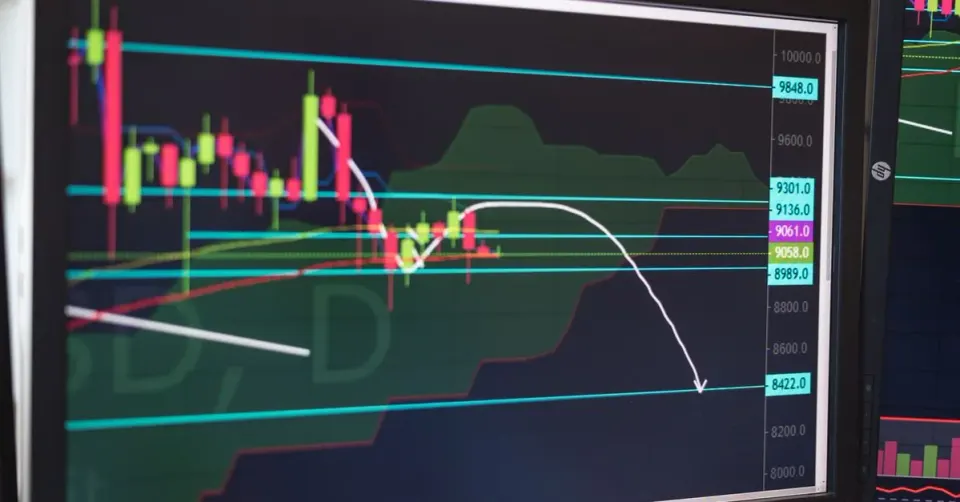
In the local Iranian market, the Toman showed slight weakness against the US Dollar. The USD sell rate moved from 270,700 to 271,600, marking a 0.3% increase over the last 24 hours. Interestingly, this rise in the dollar coincided with a retreat in gold prices; 18k gold per gram dropped from 26,432,429 to 26,190,036 Toman, a decrease of 0.9%. This inverse movement suggests that local investors may be rotating out of gold and into the greenback as a more liquid hedge against short-term volatility. Meanwhile, Bitcoin remains a pillar of stability in the mid-$80k range, currently trading at $80,554, providing a digital alternative for those wary of traditional currency fluctuations.
Geopolitics of Survival: UK Living Standards and the $17bn Delivery Merger
The broader global economy is facing a period of intense consolidation and structural strain. In the United Kingdom, the Resolution Foundation has issued a sobering warning that the 2020s are on track to be the worst decade for living standards growth in over half a century. Chancellor Rachel Reeves and the Labor government are grappling with 'hard decisions' as they face a stagnant economy and rising costs of living. This economic malaise is being met with regulatory shifts, such as the new ban on selling nicotine-free vapes to minors, reflecting a government trying to manage public health crises amidst fiscal tightening. The struggle in the UK mirrors a global trend where the 'cost of money' remains high, keeping car loans and mortgages out of reach for many.
Contrastingly, the corporate world continues to seek growth through massive acquisitions. DoorDash has announced a blockbuster $17 billion takeover of Instacart, a move designed to dominate the grocery delivery market. CEO Tony Xu described grocery delivery as 'one of the hardest things to get right online,' and this merger signal a move toward a 'super-app' model for logistics and retail. For the Iranian observer, these moves highlight the widening gap between the hyper-consolidated digital economies of the West and the fragmented, sanction-constrained markets at home. As global giants merge to survive high interest rates, the Iranian economy continues to look toward regional cooperation, as seen in President Pezeshkian’s recent calls for deeper neighborly ties to address common security and economic challenges.
Frequently Asked Questions
Why did ServiceNow stock crash 24%?
How did the Toman react to global market volatility today?
What is the significance of the Erin Patterson appeal?
What does the DoorDash-Instacart merger mean for consumers?
Understanding Speculative Bubbles in Modern Markets
A speculative bubble occurs when asset prices rise far above their intrinsic value, driven primarily by investor enthusiasm rather than fundamentals. The classic pattern starts with a new technology or trend that captures public imagination—think of the dot‑com boom of the late 1990s or the recent surge in artificial‑intelligence‑related stocks. As media coverage intensifies, more investors jump in, pushing prices higher and creating a feedback loop that fuels further buying.
When a bubble inflates, several warning signs appear. Valuations become detached from earnings or cash‑flow metrics, price‑to‑earnings ratios skyrocket, and analysts start issuing “buy‑the‑dip” recommendations despite weak fundamentals. The market also sees a proliferation of speculative instruments—options, leveraged ETFs, and meme‑driven retail trading—amplifying volatility. In the case of ServiceNow’s recent 24 % crash, many analysts argue that exuberant expectations about AI‑driven productivity tools helped inflate the stock beyond realistic growth paths.
The bursting phase is often abrupt. Once a critical mass of investors realize that prices cannot be justified, selling accelerates, leading to sharp corrections. The fallout can spread beyond the original asset class, affecting related sectors, currencies, and even consumer confidence—as seen in the recent tumble of the Iranian toman and the heightened anxiety around gold prices in Tehran.
Historically, bubbles have left lasting lessons. The 2008 housing crisis taught regulators the dangers of lax lending standards, while the 2021 cryptocurrency rally highlighted the perils of hype‑driven investing. Understanding the anatomy of a bubble helps investors recognize when enthusiasm is outpacing reality, allowing for more disciplined risk management.
In the age of AI, the temptation to repeat past mistakes is strong. By studying past bubbles—whether in tech, real estate, or digital assets—market participants can better gauge whether today’s AI rally is a sustainable growth story or another speculative froth poised to burst.