
Ghalibaf Rejects US 'Carrot-and-Stick' Policy as Russian Diesel Tankers Head to America
قالیباف رویکرد «هویج و چماق» آمریکا را رد کرد؛ حرکت نفتکشهای دیزل روسیه به سمت ایالات متحده
Iran's Parliament Speaker dismisses US diplomatic pressure as the Toman holds steady at 271,200. Meanwhile, a historic shift in global energy sees Russian diesel tankers sailing for US ports following a Trump-Putin agreement.
At time of publishing
USD
271,200
Toman
Gold 18K
26.14M
Toman / gram
Bitcoin
$80,820
US Dollar
Tether
271,429
Toman
Tehran’s Defiance Amid Diplomatic Deadlock
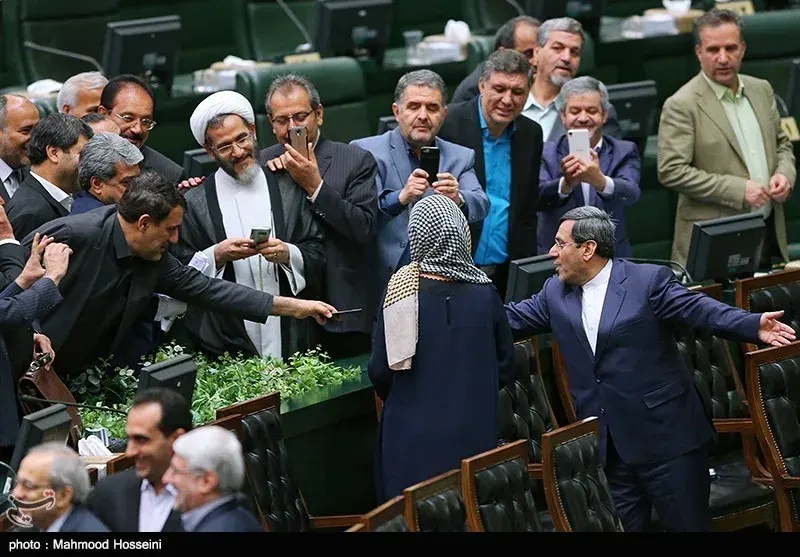
On Thursday, October 29, 2026, Mohammad Bagher Ghalibaf, the Speaker of the Iranian Parliament, delivered a sharp rebuke to Washington’s current diplomatic strategy. Speaking in Tehran, Ghalibaf asserted that the United States' long-standing "carrot-and-stick" approach—offering conditional incentives while maintaining the threat of sanctions—is no longer a viable tool against the Islamic Republic. He emphasized that Iran’s conditions for ending the current regional tensions and entering any form of negotiation have been clearly articulated and will not be altered by external pressure. This rhetoric comes at a time when the Iranian public is closely watching for any signs of a diplomatic thaw that might alleviate the chronic economic pressure on the domestic market. For the average Iranian reader, these statements serve as a signal of continued geopolitical friction, which directly translates into market caution. The USD/IRR exchange rate reflected this sentiment, moving slightly from 270,700 to 271,200, a marginal increase of 0.2% over the last 24 hours. While the currency has avoided a major spike today, the lack of a breakthrough in negotiations keeps the floor for the Toman high. Traders in the Ferdowsi market remain hesitant, balancing the government's defiant stance against the reality of continued sanctions and their impact on purchasing power.
The Trump-Putin Energy Reversal
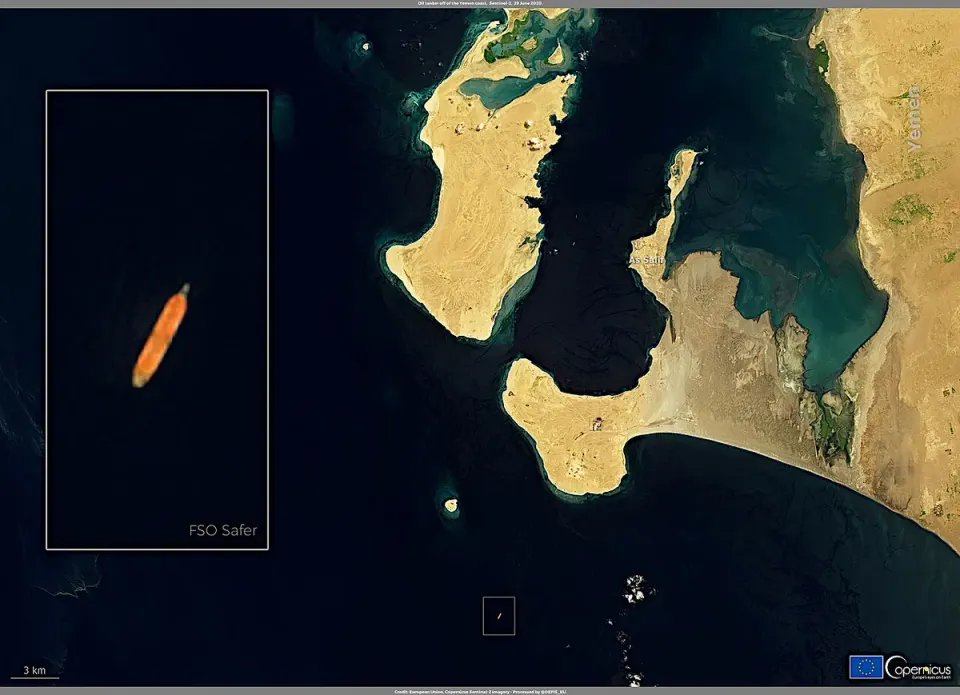
In a development that has sent shockwaves through global energy markets, seven oil tankers carrying approximately 288,000 tonnes of Russian diesel are currently sailing toward the United States. This movement, tracked by environmental group Greenpeace, represents the first tangible phase of a contentious supply deal recently negotiated between Presidents Donald Trump and Vladimir Putin. The deal effectively reverses years of stringent energy sanctions on Russia, signaling a major shift in American foreign policy and global trade alliances. While the legality of these shipments is being debated in Washington, the physical movement of the vessels suggests a determination to reshape the global crude and fuel sector. This shift has profound implications for the Middle East. If the US begins to normalize energy trade with Russia, the leverage of other oil-producing nations, including Iran, could be significantly altered. For now, oil prices are expected to stabilize around the $100 level, as shipping disruptions in the Gulf continue to provide a floor for prices. However, the re-entry of Russian fuel into the American market could eventually lower global energy costs, which might reduce the inflationary pressure on the US Dollar—a currency that remains the primary benchmark for Iranian savers.
Market Fragility: Gold Retreats as Bitcoin Consolidates
While the currency market remains relatively stable, the precious metals sector in Tehran saw a notable correction today. Gold 18k per gram dropped from 26,432,429 to 26,143,866 Toman, a decline of 1.1%. Similarly, the Emami coin fell by 0.6% to settle at 266,500,000 Toman. This localized dip in gold prices occurs even as global gold remains near historic highs above $4,000 per ounce. The divergence suggests that domestic demand in Iran may be cooling slightly as investors pivot toward other assets or wait for clearer political signals from the ongoing US-Russia-Iran triangle. In the digital asset space, Bitcoin is currently consolidating just below the $82,000 resistance level, trading at approximately $80,820. The crypto market is bracing for a massive event on Friday, as nearly $11 billion in Bitcoin options are set to expire. This expiry, combined with the Federal Reserve's recent decision to hold rates despite some internal pressure for hikes, creates a volatile environment for BTC. For Iranian crypto enthusiasts, the stability of Tether (USDT) at 271,429 Toman remains the key gateway for preserving capital, even as the underlying volatility of Bitcoin tests their risk appetite in a "low-hire, low-fire" global economy.
Frequently Asked Questions
چرا قیمت طلا در ایران برخلاف انس جهانی کاهش یافت؟
توافق نفتی ترامپ و پوتین چه تاثیری بر ایران دارد؟
علت نوسان احتمالی بیتکوین در روزهای آینده چیست؟
Understanding Currency Devaluation and Its Ripple Effects in Iran
Currency devaluation occurs when a nation's monetary authority allows its official exchange rate to fall relative to foreign currencies, or when market forces drive the price of the local currency down. In Iran, the rial (IRR) has been on a steep downward trajectory for years, driven by a mix of persistent sanctions, fiscal deficits, and a shrinking oil export revenue base. When the rial loses value, imported goods become more expensive, fueling inflation and eroding real wages. This dynamic explains why the USD/IRR rate in October 2026 is projected to be dramatically higher than a few years ago, and why Iranians turn to alternative stores of value such as gold, which is trading around 18,000 Rial per gram in Tehran.
One of the most immediate consequences of a weakening rial is the surge in demand for hard assets that can preserve purchasing power. Gold has historically been a preferred hedge; its price in local currency rises both because of global price movements and because the domestic currency is depreciating. At the same time, speculative interest in cryptocurrencies—particularly Bitcoin—has grown, with large‑scale options contracts expiring at $11 billion notional, reflecting both hedging activity and a search for returns that are insulated from fiat‑currency volatility. However, crypto markets are highly volatile and can amplify financial risk for retail investors who lack sophisticated risk‑management tools.
Devaluation also reshapes the broader macroeconomic landscape. A weaker rial makes Iranian exports relatively cheaper, potentially boosting demand for oil and other commodities abroad, but sanctions limit the ability to channel those revenues into the domestic economy. The government may intervene by tightening monetary policy, raising interest rates, or imposing capital controls, but such measures can further strain growth. Over the long term, sustained devaluation can trigger a “currency crisis,” where confidence collapses, capital flight accelerates, and the government is forced to adopt drastic reforms or seek external assistance, as seen in past episodes of Iranian economic turbulence.
For policymakers and ordinary citizens alike, understanding the mechanics of devaluation helps to gauge the effectiveness of resilience strategies. Diversifying income sources, maintaining savings in multiple currencies, and monitoring inflation‑adjusted wages are practical steps. At the same time, structural reforms—such as improving fiscal discipline, reducing reliance on oil revenues, and fostering a more open financial system—are essential to break the cycle of perpetual depreciation and restore macro‑economic stability.
Topics
Related Articles