Royal Scandal Deepens as Police Scotland Probes Balmoral; Oil Surges Amid Hormuz Tanker Seizures
بازگشایی پرونده جنجالی اپستین در اسکاتلند؛ جهش قیمت نفت در پی توقیف نفتکشها در تنگه هرمز
Police Scotland has launched an active investigation into Jeffrey Epstein's visits to Balmoral, while the IRGC's seizure of two tankers in the Strait of Hormuz has pushed Brent crude to $117. Meanwhile, Binance struggles to contain the fallout from a record $6.3 billion hack linked to North Korea.
At time of publishing
USD
272,500
Toman
Gold 18K
25.89M
Toman / gram
Bitcoin
$77,413
US Dollar
Tether
272,498
Toman
Police Scotland Investigates Royal Ties to Epstein at Balmoral
In a development that has sent shockwaves through the British establishment, Police Scotland confirmed today that it has opened an active investigation into the stays of Jeffrey Epstein and Ghislaine Maxwell at the Balmoral estate. The investigation focuses on allegations that the disgraced financier and his accomplice were guests of Prince Andrew at the royal residence, with detectives now following up on specific information regarding their visits. This move marks a significant escalation from previous inquiries, as the force is now explicitly looking into claims that women and minors may have been trafficked to or from the estate during these stays.
The timing of this investigation is particularly sensitive for the monarchy, which has spent years attempting to distance itself from the fallout of Prince Andrew’s association with Epstein. Detectives have stressed that the inquiry is in its "very early stages," but the admission that they are pursuing "active inquiries" suggests that new, credible evidence or testimony has come to light. For the British public, the prospect of Balmoral—a private sanctuary for the royal family—being linked to the Epstein trafficking network is a profound blow to the institution's image, raising questions about oversight and the behavior of senior royals away from public view.
From a legal perspective, this investigation could open the door for further civil and potentially criminal proceedings in the UK. While Prince Andrew has previously settled a civil case in the US, the jurisdiction of Police Scotland over events occurring on Scottish soil provides a different legal framework. If the investigation finds evidence of criminal activity or the facilitation of trafficking on the estate, the pressure on the Crown and the government to provide transparency will become insurmountable. This story is no longer just a historical footnote; it is a live criminal probe into the heart of the British royal family's private life.
Tanker Seizures in Hormuz Drive Brent Crude to $117
Global energy markets are reacting sharply this Friday, October 30, 2026, following reports from the IRGC Navy that two oil tankers have been stopped in the southern waters of the Strait of Hormuz. According to Iranian state media, the vessels were intercepted for allegedly attempting to pass through an "unauthorized route" and were involved in unspecified accidents. This intervention comes at a moment of heightened regional tension and has immediately impacted global supply concerns, with Brent crude prices jumping to $117 per barrel as traders price in the increased risk of transit disruptions in the world's most vital oil chokepoint.
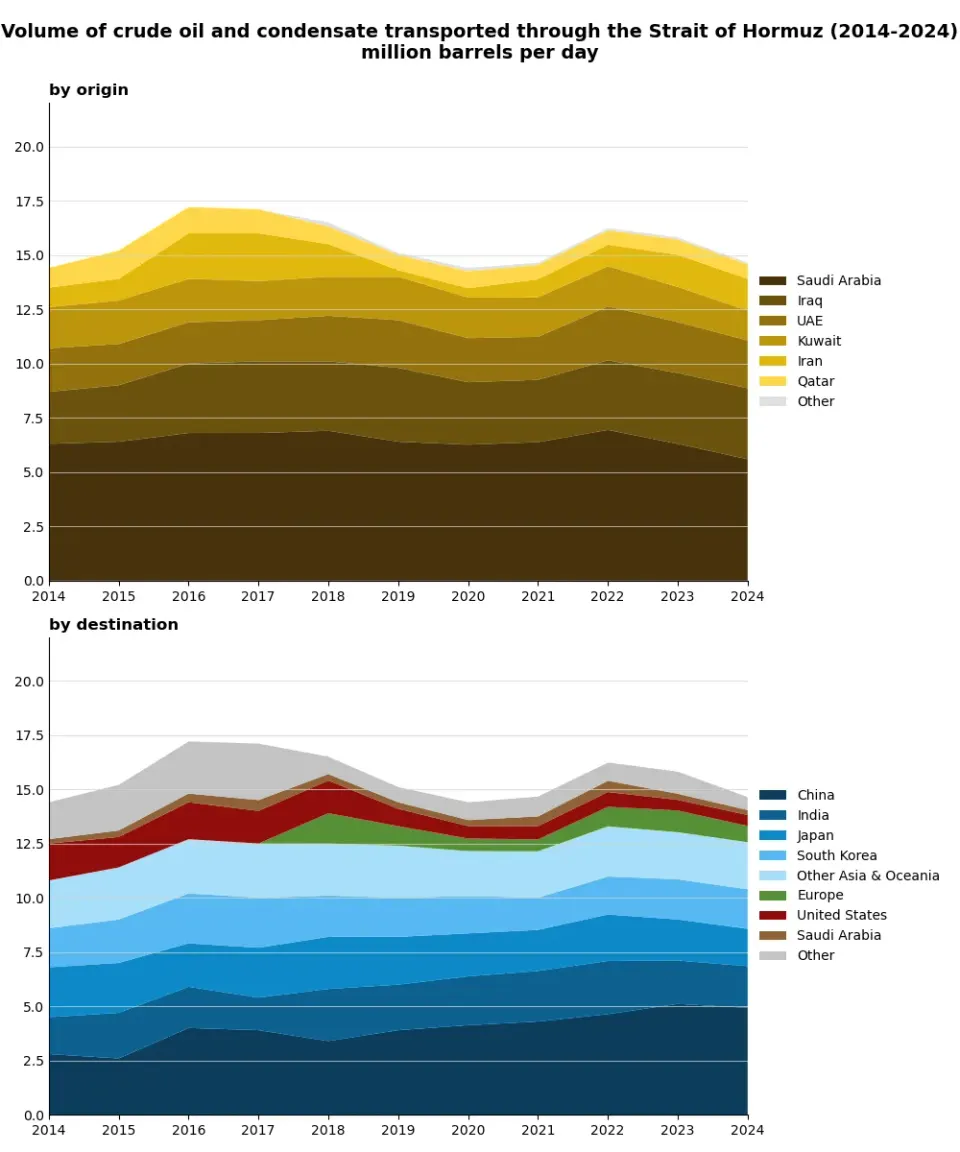
The IRGC's claims regarding "unauthorized routes" are viewed with skepticism by international maritime observers, who often see such terminology as a pretext for political signaling or retaliation. The UK Maritime Trade Operations (UKMTO) had already issued warnings about tankers on fire in the region, suggesting a chaotic and dangerous environment for commercial shipping. For the Iranian economy, these maneuvers in the Strait are a double-edged sword; while they demonstrate regional leverage, they often precede tighter international sanctions or increased insurance premiums for Iranian exports, further complicating the domestic fiscal landscape.
For the average consumer in Iran, the immediate effect is felt through the currency market. The USD sell rate rose from 271,200 to 272,500 Toman (+0.5%) today, reflecting the market's anxiety over a potential military or diplomatic escalation. While oil prices are rising, the benefits to the Iranian treasury are often offset by the costs of sanctions-bypassing and the volatility of the Toman. This latest incident serves as a reminder that the Strait of Hormuz remains the ultimate flashpoint for global energy security and Iranian geopolitical posturing.
Binance Allocates $6.34 Billion to Cover Historic Hack Losses
The cryptocurrency world is reeling from what is being called the largest heist in the industry's history. Binance, the world's largest exchange, has announced it has set aside $6.34 billion of its own funds to cover user losses following a massive security breach. Blockchain forensics firms TRM Labs and Chainalysis have already linked the attack to the North Korean hacking collective known as "TraderTraitor." The sheer scale of the theft has paralyzed parts of the market, though Binance has vowed to reopen trading within days once security protocols are fully audited and reinforced.
This event has triggered a flight to safety among retail investors, particularly in regions like Iran where Binance has long been a primary gateway for digital asset trading. The hack has also fueled a surge in interest for decentralized protocols like THORChain, whose native token RUNE jumped 13% as users look for alternatives to centralized exchanges. However, the revelation that North Korean actors were behind the breach has also brought increased regulatory scrutiny, with global authorities demanding more robust anti-money laundering (AML) and cybersecurity standards for platforms operating in the space.
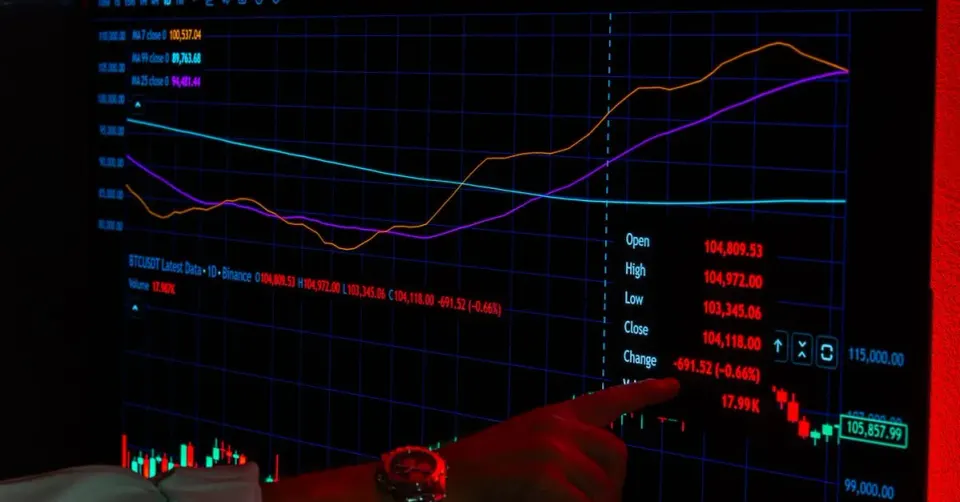
For Bitcoin, the news has been a heavy anchor. BTC is currently trading at $77,413, struggling to find a floor as the market digests the implications of such a massive liquidity drain. While Binance's commitment to use its own reserves to protect users is a sign of the exchange's massive capital cushion, it also highlights the systemic risk posed by the centralization of billions of dollars in digital assets. Investors are now more focused than ever on self-custody and the security of the infrastructure they rely on for their savings.
Google Stock Plunges as AI Search Cannibalizes Ad Revenue
In the technology sector, Google’s parent company, Alphabet, saw its market value plunge by an estimated $500 billion after its latest earnings report revealed a troubling trend. The company’s own AI-generated search summaries, designed to provide direct answers to users, are reportedly cutting into its traditional ad sales. Investors were spooked by the realization that as Google makes its search engine more "intelligent," it may be simultaneously destroying the very business model that made it a global powerhouse. The stock hit a six-month low as Wall Street began to re-evaluate the long-term profitability of AI integration.
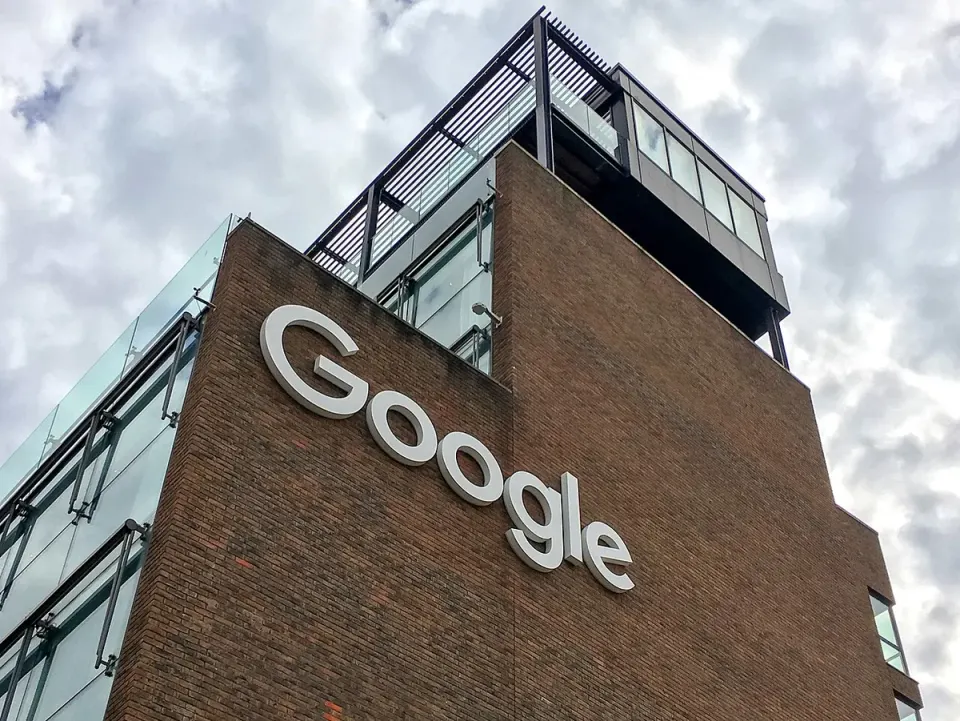
This shift represents a fundamental challenge for the tech giant. For decades, Google’s dominance was built on directing users to external websites where ads could be displayed. By providing the answer directly on the search page via AI, the incentive for users to click through—and for advertisers to pay for those clicks—is diminishing. This "AI dilemma" is not unique to Google, but as the market leader, it is the first to suffer such a massive valuation correction. The company now faces the difficult task of monetizing AI interactions at a rate that can replace its legacy advertising revenue, a transition that is proving far more difficult than many analysts had initially predicted.
Watch
Police reviewing Andrew Mountbatten-Windsor's Balmoral stays with Epstein and Maxwell
Sky News
Frequently Asked Questions
چرا پلیس اسکاتلند اکنون پرونده اپستین و بالمورال را باز کرده است؟
توقیف نفتکشها در تنگه هرمز چه تاثیری بر قیمت سوخت در ایران دارد؟
آیا دارایی کاربران ایرانی در بایننس پس از هک ۶.۳ میلیارد دلاری امن است؟
How Geopolitical Tensions Influence Brent Crude Prices
The benchmark known as Brent crude is a blend of light, sweet oil extracted from fields in the North Sea. Because it is easily traded and has relatively low sulfur content, Brent serves as the pricing reference for roughly two‑thirds of the world’s oil contracts. When traders quote a price for a barrel of oil, they are often quoting the Brent price – a figure that can swing dramatically in response to supply‑side shocks, demand changes, and, crucially, geopolitical events.
One of the most volatile flashpoints is the Strait of Hormuz, a narrow waterway that funnels about 20% of global petroleum shipments. When Iran’s Revolutionary Guard Corps (IRGC) or other actors seize or threaten to seize tankers in the Hormuz corridor, market participants immediately reassess the risk of a supply disruption. The fear of a sudden shortfall pushes forward contracts and spot prices higher, as buyers bid up futures to lock in supply before a potential choke‑point closes.
The price reaction is not merely speculative; it reflects real‑world logistics. A seized tanker can delay the delivery of hundreds of thousands of barrels, forcing refineries to turn to more expensive alternatives or to hold larger inventories. This scarcity premium is baked into the Brent futures curve, often creating a risk premium that can persist for weeks even after the immediate crisis eases. The October 2026 Brent price spike, for instance, was amplified by a series of IRGC‑linked seizures that heightened concerns over sustained supply constraints.
Understanding this mechanism helps investors, policymakers, and everyday consumers grasp why a distant naval incident can make gasoline cost more at the pump. By watching news of tanker seizures, naval deployments, or diplomatic negotiations around Hormuz, one can anticipate short‑term movements in Brent and make more informed decisions about hedging, budgeting, or energy policy.
For a deeper dive, explore the historical relationship between geopolitical risk and oil markets, which shows a consistent pattern: the higher the perceived threat to key shipping lanes, the higher the Brent price premium.
Topics
Related Articles