UK Migration Crisis Sparks Cabinet Feud as Bitcoin Struggles Under $80K and Houthi Strikes Target Saudi Oil
بحران مهاجرتی در بریتانیا، ناکامی بیتکوین در عبور از ۸۰ هزار دلار و حملات جدید حوثیها به آرامکو
UK Home Secretary Shabana Mahmood faces intense pressure over asylum policy opacity, while Bitcoin enters a bearish setup after failing to hold the $80,000 mark. Simultaneously, reported Houthi strikes on Saudi refineries and Russian attacks on Kyiv’s energy grid have heightened global energy security concerns.
At time of publishing
USD
271,200
Toman
Gold 18K
25.93M
Toman / gram
Bitcoin
$78,377
US Dollar
Tether
270,881.34
Toman
UK Migration Policy Turmoil and the Iranian Diaspora
UK Home Secretary Shabana Mahmood has sparked significant friction within the British cabinet by refusing to disclose the full impact of her proposed migration and asylum system shake-ups. Ministerial colleagues have expressed growing frustration, fearing that the lack of transparency regarding homelessness projections could lead to a social crisis. The dispute centers on how the Home Office plans to handle the backlog of asylum seekers and the resulting pressure on local housing authorities. For the Iranian community, both within the UK and those planning migration, these policy shifts are critical. The UK remains a primary destination for Iranian asylum seekers, and any sudden change in processing speed or post-decision support directly affects the financial stability and legal status of thousands of families.
This lack of clarity is more than a domestic political spat; it signals a tightening of the UK's border and social welfare policies. As the Home Office struggles with a £28 billion shortfall in public finances, the internal pressure to cut costs while managing humanitarian obligations is reaching a breaking point. For Iranian observers, this often translates to longer waiting periods and more stringent requirements for legal residency, which in turn influences the flow of remittances and the demand for currency exchange services in the informal market.

Bitcoin’s $80,000 Rejection and Institutional Ambition
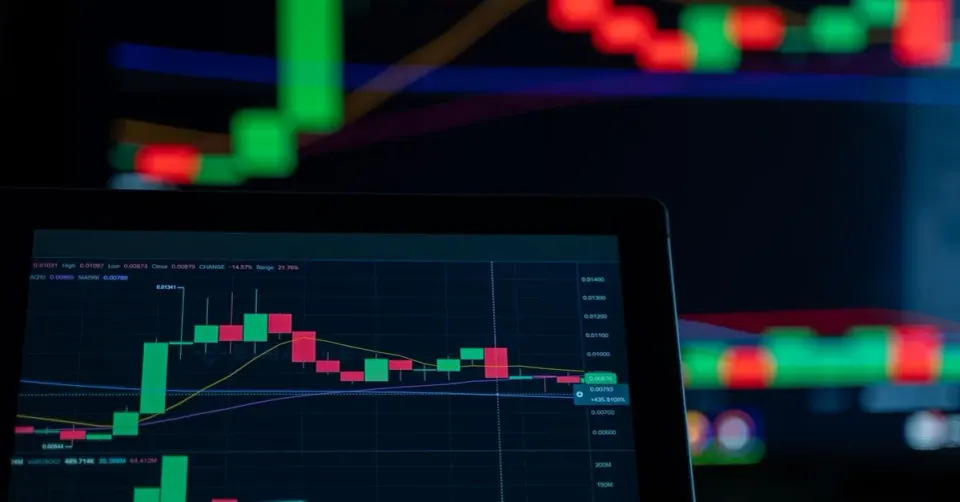
Bitcoin's price action has taken a bearish turn as the leading cryptocurrency failed to sustain its momentum above the $80,000 threshold, currently trading at $78,377. This retreat follows a period of intense speculation and comes amidst broader market jitters following the massive $6.3 billion Binance security breach reported earlier today. While the market shows signs of a bearish setup in the short term, institutional players like MicroStrategy are doubling down. Michael Saylor has announced a bold plan to leverage up to $30 billion in digital credit to further expand the company’s Bitcoin holdings, suggesting that while retail sentiment may be wavering, long-term corporate conviction remains unshaken.
For Iranian investors who often use Bitcoin as a hedge against the Toman's volatility, this price correction serves as a reminder of the asset's high-risk nature. The 24-hour data shows a stagnation in the USD/IRR rate at 271,200 Toman, but the slight dip in gold prices (-0.8%) and the crypto retreat suggest a moment of cautious consolidation. Investors are closely watching whether Bitcoin can find support near the $75,000 level or if the bearish momentum will force a deeper correction toward the mid-60s, especially as global liquidity conditions remain tight.
Energy Security Under Fire: Houthi and Russian Strikes
Global energy markets are facing renewed volatility following claims by Houthi spokesperson Yahya Saree of fresh strikes on Saudi Arabian oil infrastructure. The reported targets include the Ras Tanura and Rabigh refineries, as well as facilities at the Abqaiq oil field. While Saudi authorities have not yet confirmed the extent of the damage, the mere announcement of such attacks on Aramco facilities typically triggers a risk premium in crude oil prices. This escalation comes at a sensitive time when regional tensions are already at a peak, further complicating the global supply chain for petroleum products.
Simultaneously, the conflict in Eastern Europe continues to impact energy stability. Russian forces have reportedly struck energy infrastructure in and around Kyiv, forcing Ukraine to manage a beleaguered grid as winter approaches. These dual points of conflict—in the Middle East and Ukraine—create a pincer movement on global energy prices. For the Iranian economy, which is sensitive to regional oil dynamics and global energy shifts, these events contribute to an atmosphere of uncertainty that often manifests in the volatility of the gold coin market, which currently sees the Emami coin priced at 266,500,000 Toman.
---
Israel’s Political Deadlock and the Palestinian Factor
Following a highly consequential election, Israel finds itself in a profound political stalemate. Benjamin Netanyahu’s far-right coalition has failed to secure a clear mandate, leaving the opposition bloc led by Gadi Eisenkot with a theoretical majority. However, this majority is contingent on a historic and controversial pact with Palestinian Israeli parties. This potential coalition represents a defining political moment for the country, as it forced Jewish Israeli parties to decide whether they can govern alongside Palestinian representatives to end the Netanyahu era.

This political paralysis in Tel Aviv has direct implications for regional security. A weak or transitional government in Israel may face challenges in responding to regional threats or engaging in diplomatic negotiations. For Tehran, the outcome of this deadlock is being watched closely, as it will determine the future trajectory of Israeli military and foreign policy in the Middle East. The uncertainty in Israel, combined with the ongoing energy strikes, ensures that the geopolitical risk discount remains absent from the markets for the foreseeable future.
Frequently Asked Questions
Why is the UK migration policy change important for Iranians?
What caused Bitcoin to drop below $80,000?
How do Houthi strikes on Saudi Arabia affect the Iranian market?
Geopolitical Risk and Energy Security
The news headline highlights a critical interplay between international conflict and global economic stability, epitomized by "Houthi Strikes Target Saudi Oil." This scenario underscores the concept of Geopolitical Risk and Energy Security. Geopolitical risk refers to the potential for political events, conflicts, or instability in one region to have significant, often negative, impacts on global economic conditions, financial markets, and supply chains. Energy security, a closely related concept, is the uninterrupted availability of energy sources at an affordable price, crucial for modern economies to function.
Houthi attacks on key Saudi Arabian oil infrastructure, such as those operated by Aramco, serve as a stark illustration of this risk. Saudi Arabia is one of the world's largest oil producers and exporters, playing a pivotal role in stabilizing global crude oil markets. Any disruption to its production or export capabilities, whether from direct attacks or threats to shipping lanes like the Strait of Hormuz, immediately sends ripples through the global energy landscape. These incidents can cause crude oil prices to spike, increase volatility, and inject uncertainty into commodity markets.
The consequences of such geopolitical events extend far beyond the immediate region. Higher oil prices translate into increased costs for transportation, manufacturing, and consumer goods worldwide, potentially fueling inflation and slowing economic growth in importing nations. Furthermore, they can exacerbate existing economic vulnerabilities, particularly in developing countries heavily reliant on imported energy. Understanding this dynamic is crucial for comprehending how regional conflicts, even those seemingly distant, can directly impact daily life and economic prospects globally.
Governments and international organizations constantly monitor these risks, often developing strategies to enhance energy security. These measures include diversifying energy sources, investing in renewable energy, maintaining strategic petroleum reserves, and fostering international cooperation to safeguard critical energy infrastructure and shipping routes. The goal is to build resilience against supply shocks and mitigate the economic fallout from unpredictable geopolitical developments.