Burbank’s Halloween Boom Meets a 'Strange' US Economy as Intel Faces a $140B Wipeout and Hormuz Tensions Rise
از پایتخت هالووین در بربانک تا سقوط ۱۴۰ میلیارد دلاری اینتل؛ تلاطم در بازارهای جهانی و رشد ۱.۵ درصدی دلار
While Burbank transforms into a Halloween spectacle, the US job market enters a bizarre 'low-hire, low-fire' phase. Meanwhile, Intel faces a historic market wipeout and new reports of a mine blast in the Strait of Hormuz push the US dollar higher in Tehran.
At time of publishing
USD
275,200
Toman
Gold 18K
25.77M
Toman / gram
Bitcoin
$76,777
US Dollar
Tether
274,362
Toman
The Halloween Capital and the 'Low-Hire' Economy
In the suburban streets of Burbank, California, the spirit of Halloween has reached a fever pitch that transcends mere holiday cheer. Residents are spending thousands of dollars to transform their homes into elaborate, Disney-style attractions, featuring everything from professional-grade set designs to digital skeletons. This cultural phenomenon, while seemingly localized, serves as a fascinating backdrop to a broader economic paradox currently unfolding in the United States. Despite the festive spending, the US job market has entered what analysts call a 'low-hire, low-fire' phase, a strange three-year-old cycle where companies are neither expanding their workforces nor laying off staff at traditional rates. This stagnation suggests a deep-seated uncertainty among employers who are hoarding labor while remaining too cautious to fuel new growth.
For the Iranian observer, this 'strange' job market in the West is more than a curiosity; it is a leading indicator of global consumer sentiment and future interest rate paths. When the US economy behaves unpredictably, it creates a ripple effect through the US Dollar's global strength. Currently, the lack of aggressive hiring suggests that the Federal Reserve may have to navigate a very narrow path to avoid a recession, a reality that keeps the Greenback volatile. This global uncertainty is reflected in the local market, where the USD sell price has moved from 271,200 to 275,200 Toman, a 1.5% increase in just 24 hours, as traders hedge against potential global instability.

Chip Wars: Intel’s Wipeout and the Energy Paradox
The technology sector is currently reeling from a seismic shift as Intel faces one of its most challenging periods in decades. The company’s stock is sinking toward a potential $140 billion wipeout following an earnings report that revealed deep-seated issues in its PC and AI server chip businesses. Intel is struggling to meet the demand for high-end AI components while facing a weak market for personal computers, as corporate IT budgets are increasingly diverted elsewhere. This has had a contagion effect on its rival, AMD, whose stock also slid as investors feared that the issues plaguing Intel might be systemic across the entire semiconductor industry. The volatility in these tech giants is a stark reminder of how quickly market leaders can falter in the face of rapid AI-driven disruption.
Conversely, the energy sector is showing remarkable resilience. Integrated oil giants like ExxonMobil, Chevron, and BP have reported forecast-beating earnings, largely driven by sustained demand and strategic pivots in their refining margins. This contrast between a struggling tech sector and a booming energy sector creates a complex environment for global investors. In the Iranian market, this energy strength often translates into higher regional stakes, yet the local gold price has seen a slight correction. Gold 18k/gram moved from 26,143,866 to 25,774,504 Toman (-1.4%), suggesting that some local investors might be rotating out of gold and into the rising Dollar or crypto assets like Bitcoin, which remains strong at $76,777.
Geopolitical Friction: Hormuz Mines and War Briefings
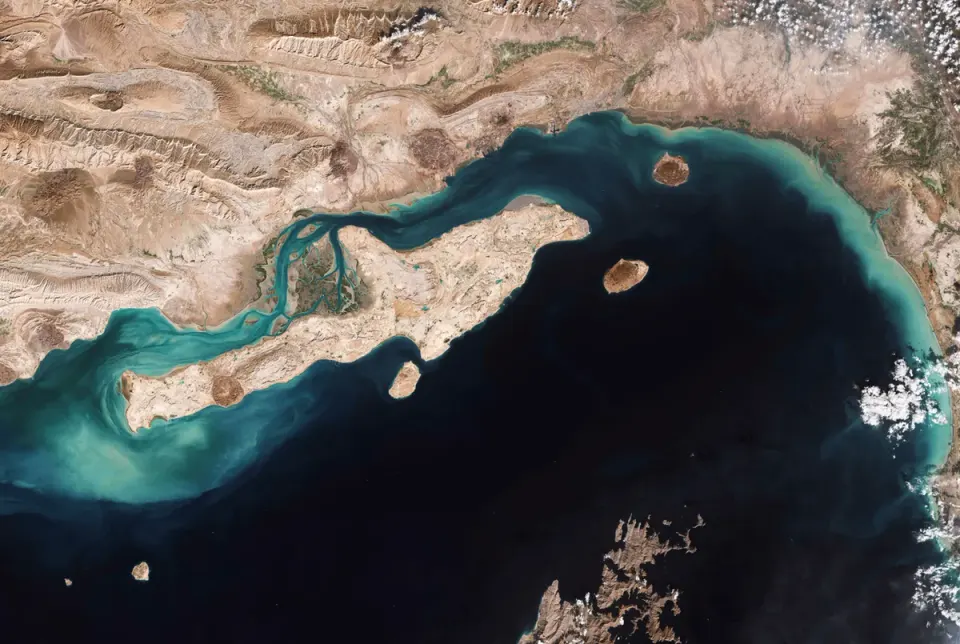
The geopolitical landscape in the Middle East has taken a sharp, concerning turn this Friday. Iranian state media (IRNA) reported that a supertanker caught fire in the Strait of Hormuz after allegedly striking a sea mine on an 'unauthorized route.' While the details remain contested and independent verification is pending, such incidents in the world's most vital oil chokepoint immediately send shockwaves through global energy markets. This comes at a time when European gas prices have topped 101 Euros per megawatt-hour for the first time since the 2022 crisis, as winter approaches and supply routes through the Middle East face increasing scrutiny. The physical security of energy transit is now back at the forefront of market fears.
Adding to the tension, reports have surfaced regarding US Senators being briefed on what some have described as a 'dangerous' plan to potentially restart or escalate military pressure on Iran. Senator Chris Murphy warned that such a strategy could have devastating regional consequences. These developments explain why the Iranian Rial is under renewed pressure today. When geopolitical rumors of conflict align with physical incidents like tanker fires, the market reacts by seeking the safety of hard currency. The 1.5% rise in the USD/IRR rate today is a direct reflection of this heightened risk premium, as the public watches the horizon for signs of further escalation or a diplomatic de-escalation that currently seems out of reach.
Frequently Asked Questions
Why is the US job market described as 'low-hire, low-fire'?
What caused the 1.5% rise in the USD/IRR rate today?
Why is Intel's stock facing a $140 billion wipeout?
How did gold prices react to the regional tensions?
Understanding Geopolitical Risk and its Economic Ripple Effects
Geopolitical risk refers to the potential for political instability, conflicts, or international tensions to disrupt global economic activity. These risks can stem from various sources, including wars, trade disputes, terrorism, or even significant shifts in foreign policy. Unlike conventional economic indicators, geopolitical events are often unpredictable, making them particularly challenging for markets and businesses to anticipate and price in. Their impact can be far-reaching, affecting everything from commodity prices and supply chains to investor confidence and national currencies.
A prime example of a critical geopolitical chokepoint is the Strait of Hormuz, a narrow waterway between the Persian Gulf and the Gulf of Oman. It is one of the world's most strategically important maritime passages, through which a significant portion of the world's seaborne oil and liquefied natural gas (LNG) passes daily. Any disruption or threat to shipping in this strait, such as a "mine blast" or rising "Iran war rumors," immediately triggers concerns about global energy supplies. Such fears can cause oil prices to spike dramatically, directly impacting transportation costs, manufacturing expenses, and ultimately, consumer prices worldwide.
The economic consequences of heightened geopolitical risk extend far beyond the energy sector. Rising oil prices can fuel inflation, eroding purchasing power and potentially slowing consumer spending, as hinted by a "strange US economy" or "Burbank's Halloween boom" facing headwinds. For corporations like Intel, facing a "stock crash," or AMD, a "slide," increased operational costs due to supply chain disruptions or higher energy prices can squeeze profit margins. Furthermore, overall market uncertainty often leads investors to pull back from riskier assets, causing broader stock market downturns and affecting corporate valuations across diverse industries.
Moreover, geopolitical tensions can directly impact currency exchange rates, such as the "USD IRR price." When a region faces conflict or severe instability, its local currency often depreciates as capital flees to safer havens. Conversely, currencies perceived as stable or those of countries benefiting from increased commodity prices might strengthen. Understanding geopolitical risk is crucial for individuals, businesses, and policymakers alike, as it provides insight into the complex interplay between international relations and global economic stability.
Topics
Related Articles