Trump’s Putin Deal Rattles EU as Toman Hits 274,800 and Netanyahu Threatens Iran Strike
توافق دیزلی ترامپ و پوتین لرزه بر اندام اروپا انداخت؛ دلار به ۲۷۴ هزار تومان رسید
A controversial diesel deal between Donald Trump and Vladimir Putin has sent shockwaves through the EU, while the Iranian Toman faces fresh pressure, rising 1.3% to 274,800. Meanwhile, former Israeli PM Ehud Barak warns that Netanyahu may be planning a strike on Iran to distract from domestic political failures.
At time of publishing
USD
274,800
Toman
Gold 18K
25.79M
Toman / gram
Bitcoin
$77,445
US Dollar
Tether
274,903
Toman
The Transatlantic Rift: Trump’s Diesel Deal with Putin
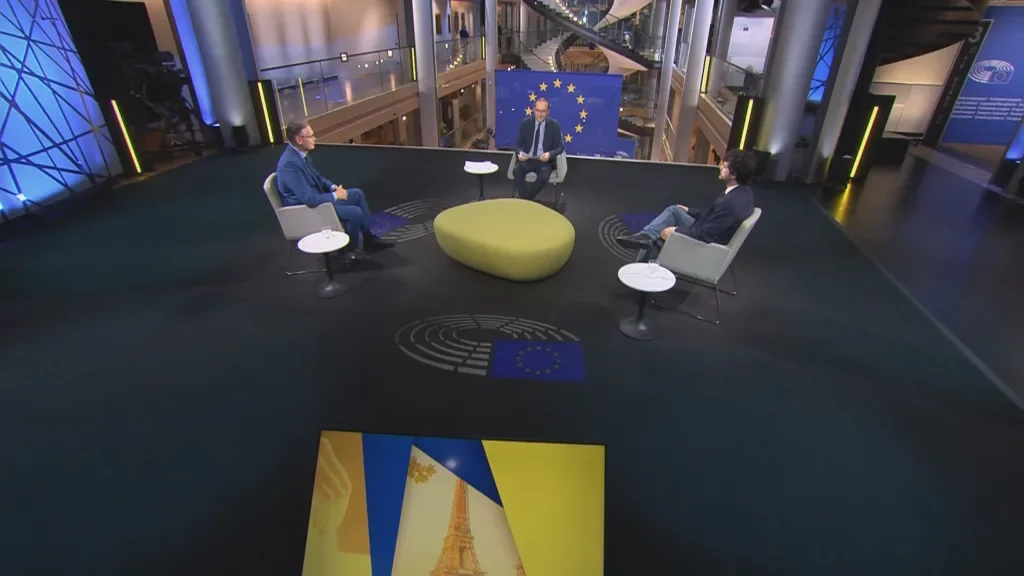
The geopolitical landscape has shifted dramatically this Friday as reports of a direct diesel agreement between Donald Trump and Vladimir Putin have surfaced, sending the European Union into a diplomatic tailspin. From the EU’s perspective, this second Trump presidency has proven even more destabilizing than the first. The deal, which bypasses traditional Western energy alliances, is seen as a betrayal of the historical transatlantic relationship. European leaders are now grappling with the reality of a U.S. administration that not only slaps tariffs on European goods but actively collaborates with Moscow on strategic energy supplies, effectively undermining the unified front that has defined global policy for decades.
For Iran, this rift between Washington and Brussels is a double-edged sword. On one hand, a fragmented West could lead to inconsistencies in sanction enforcement, potentially opening backdoors for trade. On the other hand, the unpredictability of a Trump-Putin axis introduces a level of volatility that makes long-term economic planning nearly impossible. As Trump continues to challenge the foundations of the EU—even making bizarre territorial claims on Greenland and urging leadership changes in Ukraine—the global energy market is bracing for a fundamental restructuring that could leave traditional oil-dependent economies in a precarious position.

Netanyahu’s Desperation and the Iran Strike Warning
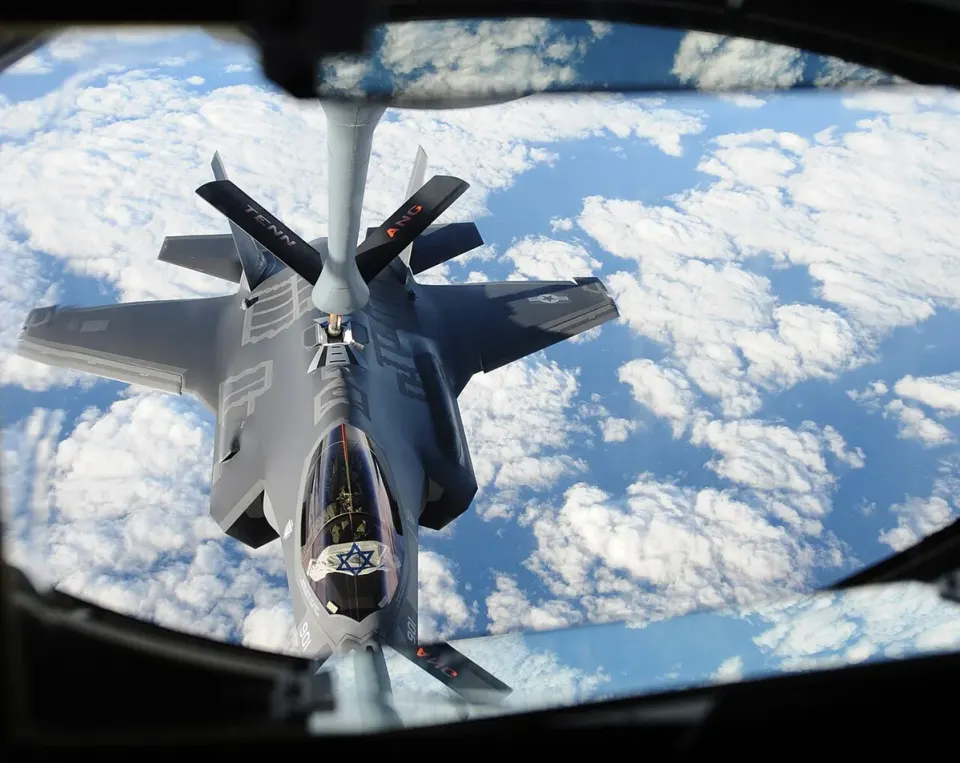
In the Middle East, the political atmosphere has turned toxic following the recent Israeli elections. Former Prime Minister Ehud Barak, in a candid interview, stated that Benjamin Netanyahu "did not win" but rather "lost dramatically." Barak warned that Netanyahu, facing a political stalemate and ongoing corruption scandals, might be desperate enough to launch a military strike against Iran to consolidate power and distract the Israeli public. This rhetoric has immediately translated into a "war premium" in the currency markets, as traders hedge against the possibility of a direct kinetic conflict in the region.
Simultaneously, within Iran, the domestic narrative remains one of defiant stability. Major General Mohsen Rezaei, Secretary of the Supreme National Security Council, recently claimed that the Leader has "full command" of national affairs, a statement intended to project strength amidst rising external threats. While the release of Tasnim News Agency reporter Farah Abu Ayyash after 450 days in Israeli detention offered a brief moment of diplomatic relief, the broader security outlook remains grim. The combination of Israeli political instability and the potential for a preemptive strike has kept the Iranian public on edge, directly impacting consumer confidence and the demand for hard currency.
Market Turmoil: Toman Slides While Gold Diverges
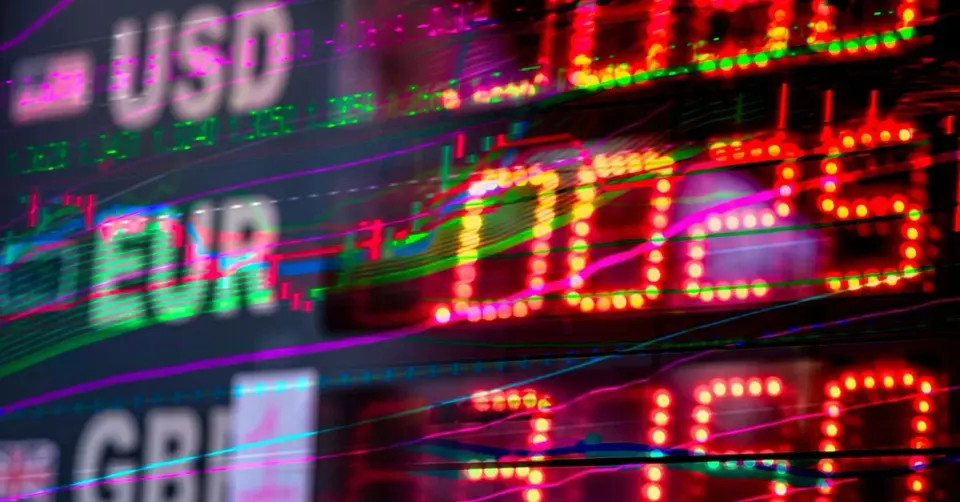
The Iranian currency market reacted sharply to the day's geopolitical developments. The USD sell rate moved from 271,200 to 274,800 Toman, marking a 1.3% increase in just 24 hours. This surge reflects a growing anxiety over the potential for regional escalation and the shifting alliances between the U.S. and Russia. While the Toman weakened, gold 18k/gram actually saw a decline, dropping from 26,143,866 to 25,792,972 Toman (-1.3%). This divergence is largely attributed to a global sell-off in gold as tech markets face their own volatility, creating a complex scenario for Iranian investors who traditionally see gold as a safe haven.
In the technology and crypto sectors, the fallout from the massive $6.3 billion Binance hack continues to dominate headlines. CEO Richard Teng has moved to reassure users by setting aside $6.34 billion to cover losses, claiming that "assets are safe." However, the hack—which involved a sophisticated self-destruct mechanism—has shaken trust in centralized exchanges. This market jitters, combined with tragic domestic news in the U.S. such as the shooting of an Oberlin professor, has created a sense of global instability that is weighing heavily on risk assets like Bitcoin, which is currently struggling to maintain its position around the $77,445 mark. For the average Iranian observer, these global shifts are no longer distant news; they are the primary drivers of the daily cost of living and the value of their savings.
Frequently Asked Questions
Why is the Toman rising while gold is falling in Iran?
What is the significance of the Trump-Putin diesel deal for Iran?
Is Binance actually safe after the $6.3 billion hack?
Understanding Currency Devaluation: The Case of the Iranian Rial
Currency devaluation is the intentional downward adjustment of a nation’s official exchange rate relative to other currencies. In practice, it means that more units of the local currency are required to buy one unit of a foreign currency, such as the US dollar. Governments may pursue devaluation to boost export competitiveness, reduce trade deficits, or, more often in sanctioned economies, to absorb the impact of restricted access to foreign exchange. The Iranian rial (often quoted as the "toman" in everyday speech) has experienced a dramatic slide in recent years, with the official rate reaching roughly 274,800 rials per US dollar in October 2026 – a level far beyond its pre‑sanctions value of about 42,000 in 2012.
The mechanics behind such a steep fall are rooted in a combination of external pressure and internal policy choices. International sanctions on Iran’s oil exports and financial sector have choked off hard‑currency inflows, creating a chronic shortage of dollars and euros. When the supply of foreign currency dries up, the market price of the rial spikes. To prevent a complete collapse of the banking system, the Central Bank of Iran often intervenes by selling foreign reserves at a fixed rate, but limited reserves mean the official rate quickly diverges from the black‑market rate, fueling inflation and eroding public confidence.
Devaluation has a cascade of economic consequences. Imported goods become more expensive, feeding into consumer price inflation that has regularly exceeded 40 % annually in Iran. Real wages shrink, savings lose value, and businesses that rely on imported inputs face higher costs. At the same time, a weaker rial can make Iranian oil cheaper for foreign buyers, but sanctions limit the ability to export, so the intended boost to trade balances rarely materialises. The result is a vicious cycle where devaluation fuels inflation, which in turn pressures policymakers to devalue further.
Understanding the rial’s trajectory helps explain why geopolitical events – such as a Trump‑Putin diesel agreement or a Netanyahu‑Barak warning about Iran – can ripple through exchange‑rate markets. Any hint of sanctions relief or new trade deals can cause speculative inflows, temporarily strengthening the rial, while heightened tensions can trigger capital flight and a renewed slide. For investors and observers, watching the rial’s exchange rate offers a real‑time gauge of Iran’s economic health and the broader impact of international diplomacy on domestic markets.
Topics
Related Articles