Pakistan Signals Mediation Hope as Oil Nears $120 and Toman Hits 274,000
خوشبینی پاکستان به میانجیگری در میان دلار ۲۷۴ هزار تومانی و نفت ۱۲۰ دلاری
Pakistan's military expresses 'cautious optimism' over US-Iran mediation while global energy markets brace for $120 Brent crude. Meanwhile, US tech stocks suffer a $1 trillion wipeout as AI investment returns face intense scrutiny.
At time of publishing
USD
274,000
Toman
Gold 18K
25.74M
Toman / gram
Bitcoin
$76,473
US Dollar
Tether
272,632
Toman
Pakistan’s Mediation Spark Hope Amid Regional Volatility
In a move that has caught the attention of regional analysts, the Pakistani military has expressed a sense of 'cautious optimism' regarding ongoing efforts to mediate between the United States and Iran. This diplomatic signal comes at a critical juncture as tensions in the Persian Gulf reach a boiling point, with reported explosions at Iran's Jask port and a surge in maritime incidents in the Strait of Hormuz. The Pakistani military spokesman, however, issued a stern warning about 'powerful spoilers and detractors' who believe that continued conflict serves their strategic interests, suggesting that while a path to de-escalation exists, it remains fraught with internal and external opposition.
For the Iranian public, these diplomatic whispers often act as a psychological floor for the currency. However, the market today showed that geopolitical reality still outweighs diplomatic hope. The US Dollar in Tehran’s free market rose from 271,200 to 274,000 Toman, a 1.0% increase that reflects lingering anxiety. While mediation could eventually lead to sanctions relief or at least a freeze in hostilities, the immediate 'war risk premium' is currently the dominant force driving capital away from the Rial and into hard assets, despite the slight dip in gold prices today.

Global Tech Wipeout: The $1 Trillion AI Reality Check
The global financial landscape is currently reeling from a massive sell-off in the US technology sector, which has seen nearly $1 trillion in market value evaporated in just one week. Investors are beginning to voice loud skepticism over whether the hundreds of billions of dollars being poured into Artificial Intelligence infrastructure by giants like Intel, Microsoft, and Google will generate tangible returns in the near term. The Nasdaq composite fell by more than 3% this Friday, marking its lowest opening in over two months. Even as Microsoft attempts to position itself as the 'golden child' of the cloud wars, the broader sentiment remains bearish as corporate earnings fail to justify the sky-high valuations of the AI boom.
This contraction in the US markets has significant ripple effects for global liquidity. When tech giants stumble, institutional investors often retreat to the safety of the US Dollar or Treasury bonds, putting further pressure on emerging market currencies and volatile assets like Bitcoin. Bitcoin is currently trading at $76,473, struggling to maintain its momentum as the 'risk-off' sentiment takes hold. For Iranian investors using crypto as a hedge, this volatility serves as a reminder that even digital gold is not immune to the gravitational pull of Wall Street’s disappointments.
Energy Markets on Edge as Brent Approaches $120
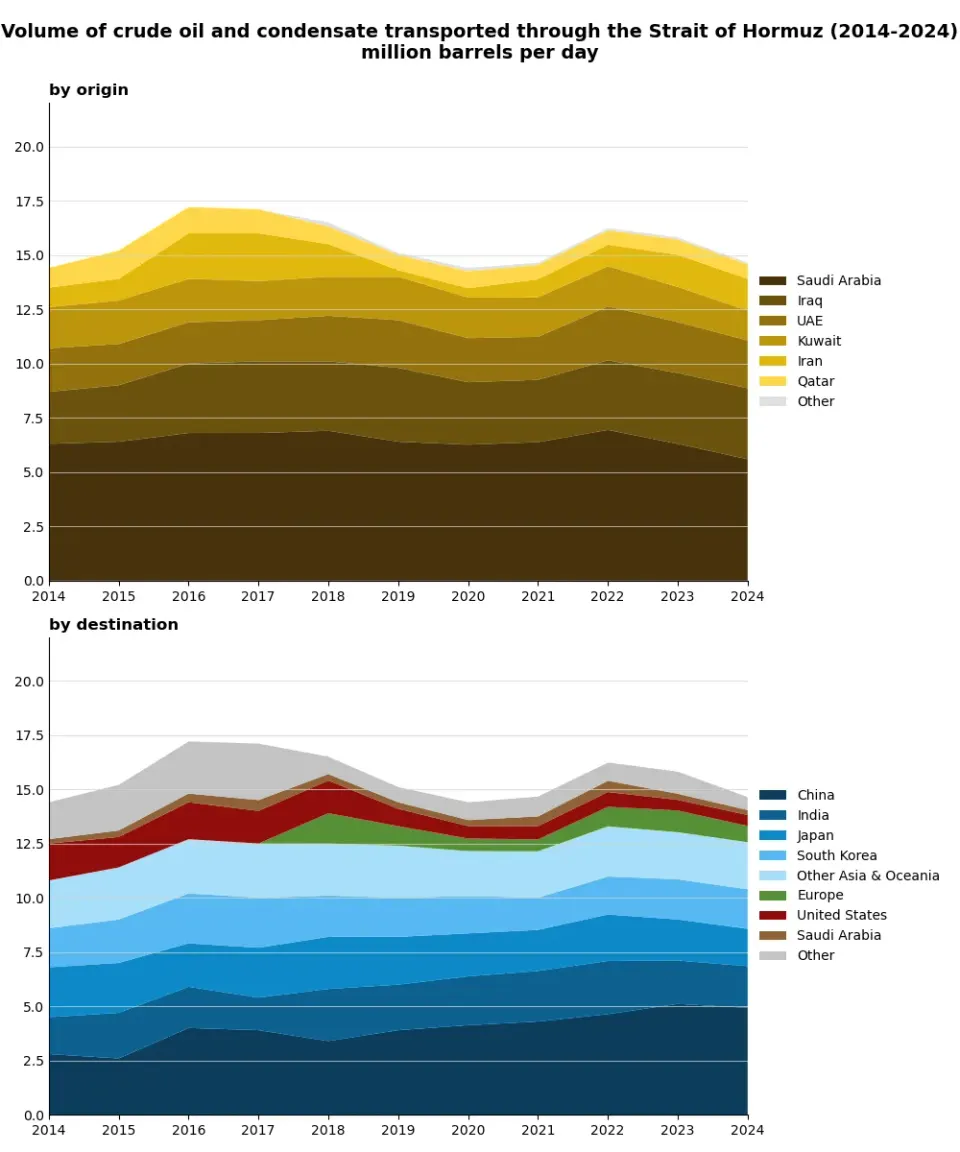
Oil traders are bracing for what many describe as a 'wild week' ahead, with Brent crude prices trending aggressively toward the $120 per barrel mark. This surge is being driven almost entirely by the fear of renewed US-Iran hostilities and the potential for a total disruption of shipping lanes in the Middle East. While companies like Chevron have seen their profits nearly triple to $9.9 billion—largely due to massive refining margins—the global economy is feeling the squeeze. The high price of oil acts as a double-edged sword for Iran: while it theoretically increases the value of its exports, the accompanying sanctions and the costs of 'gray market' shipping often eat into the actual revenue reaching the national treasury.
Beyond the Middle East, industrial incidents are adding to the global energy anxiety. A significant water reservoir rupture at Tajikistan’s Rogun Dam has raised safety concerns and disrupted work on a project that is vital for regional energy security. As the US midterm elections approach, the Biden administration faces immense pressure to stabilize energy prices, yet the geopolitical chessboard remains locked in a stalemate. For the average consumer in Iran, the high global oil price translates into higher imported inflation, as the cost of logistics and basic goods continues to rise in tandem with the strengthening dollar.
A New Western Alignment: The Canada-EU 'Alliance for the Future'
In a significant geopolitical shift, Canada and the European Union have announced a new partnership dubbed the 'Alliance for the Future.' Unveiled at a summit in Montreal by Prime Minister Mark Carney and European Commission President Ursula von der Leyen, the alliance is described as a 'protective canopy' designed to shield member nations from the unpredictable storms of modern geopolitics. The agreement focuses on securing supply chains, deepening defense cooperation, and creating a unified front against authoritarian influence. This move is widely seen as a hedge against the potential volatility of US foreign policy as the 2026 elections loom.
This new alliance signals a move toward a more fragmented global order where 'middle powers' and traditional blocs are seeking autonomy from the shifting whims of Washington. For countries like Iran, which are heavily impacted by Western multilateralism, this could mean navigating a more complex web of sanctions and diplomatic requirements. If the EU and Canada align more closely on trade and technology standards, it creates a formidable bloc that could either offer new avenues for diplomacy or, conversely, a more unified and impenetrable wall of economic pressure.
Frequently Asked Questions
Why is Pakistan mediating between the US and Iran now?
Why did the Toman rise despite news of mediation?
What caused the $1 trillion wipeout in US tech stocks?
How does $120 oil affect the average Iranian consumer?
Understanding Currency Depreciation in Sanctioned Economies
The headline's mention of the Toman hitting 274,000 against the US Dollar highlights a severe case of currency depreciation, a phenomenon where a nation's currency loses value relative to other currencies. This means it takes more units of the local currency to buy a single unit of a foreign currency, such as the US Dollar. While some depreciation can make exports cheaper and boost economic activity, a rapid and substantial decline, like that experienced by the Iranian Toman, often signals deep-seated economic distress and has profound implications for a country's citizens and its global standing.
In the context of Iran, such extreme depreciation is primarily driven by a confluence of factors, most notably international economic sanctions. These sanctions restrict Iran's ability to export its primary commodity, oil, and limit its access to the global financial system, thereby reducing the inflow of foreign currency. Geopolitical uncertainties, such as those alluded to by the "US-Iran mediation" keyword, further erode investor confidence and encourage capital flight. Domestically, high inflation and expansionary monetary policies can also contribute to a loss of faith in the local currency, exacerbating its decline.
The consequences of severe currency depreciation are far-reaching. For ordinary citizens, it translates directly into a significant loss of purchasing power. Imported goods, from essential medicines to consumer electronics, become prohibitively expensive, fueling domestic inflation and eroding savings. Businesses reliant on imported raw materials face soaring costs, potentially leading to production cuts and job losses. While exports might theoretically become cheaper, the impact of sanctions often means that the primary export (oil) cannot be freely sold, negating this potential benefit. This economic pressure can create significant social unrest and complicate any diplomatic efforts, as the government faces mounting domestic challenges.
Topics
Related Articles