Crisis in Care: UK Eyes Danish Model as Tehran Signals Diplomatic Openings Amid Rising Gold Prices
بحران در سیستم حمایتی بریتانیا و سیگنالهای دیپلماتیک تهران همزمان با تداوم صعود قیمت دلار و طلا
The UK government is studying Denmark's 'gold standard' social care system to fix its own failing children's homes. Meanwhile, Iranian officials hint at renewed diplomatic paths as local markets see USD and gold prices climb on Sunday, November 1, 2026.
At time of publishing
USD
271,500
Toman
Gold 18K
25.63M
Toman / gram
Bitcoin
$77,845
US Dollar
Tether
271,823
Toman
The Danish Solution to a British Crisis
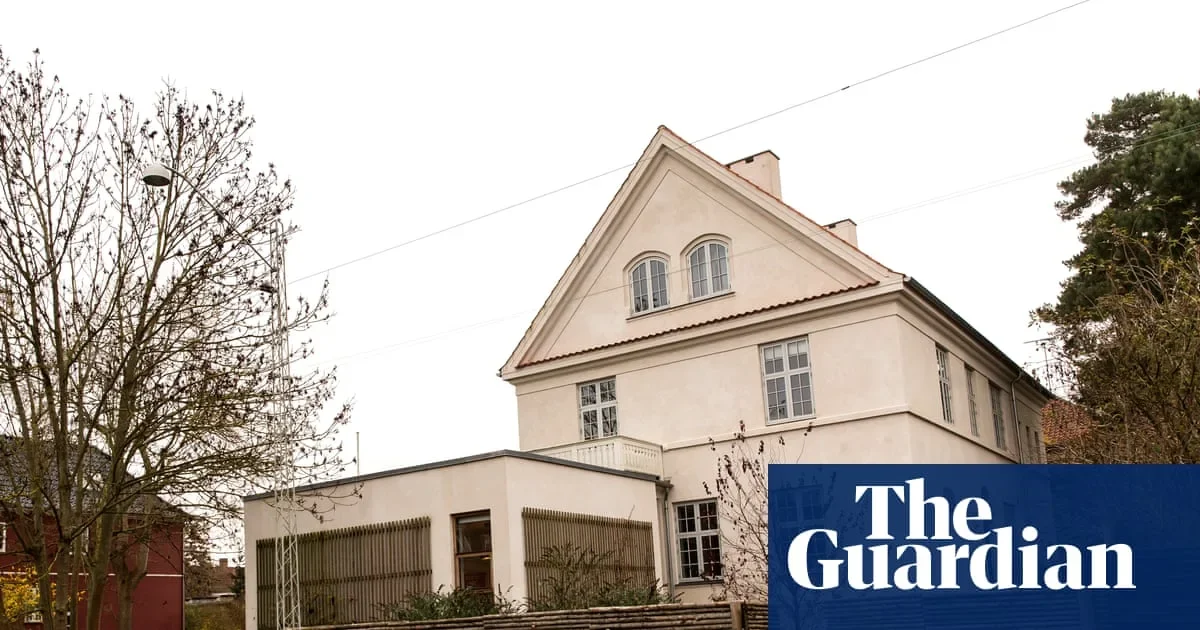
As the English children’s home system remains mired in a deep structural crisis, the UK government is looking toward Scandinavia for a potential roadmap. Children’s Minister Josh MacAlister recently traveled to Copenhagen to observe the Danish model, which is widely considered the global gold standard for residential care. Unlike the often institutional and profit-driven facilities in the UK, Danish homes like Josephine Schneider’s House emphasize a domestic, community-integrated atmosphere. These facilities are designed to look like ordinary homes, avoiding the stigma and isolation that often plague children in the British care system.
This shift in attention comes as the UK faces mounting pressure to reform a system that many experts call broken. The reliance on private providers in Britain has led to soaring costs and inconsistent quality of care, whereas the Danish approach focuses on highly trained pedagogical staff and long-term stability. For the British government, learning from Denmark isn't just about social welfare; it is a fiscal necessity. By creating more stable environments for vulnerable youth, the state hopes to reduce the long-term economic burden associated with the failures of the current care infrastructure.
Tehran’s Diplomatic Posturing and Market Reactions
In Tehran, the geopolitical atmosphere remains a complex mix of formal pleasantries and strategic signaling. Foreign Minister Abbas Araghchi sent a congratulatory message to Algeria on its 72nd National Day, a move that serves as a reminder of Iran’s efforts to maintain its remaining diplomatic alliances in the Global South. More significantly, Major General Mohsen Rezaei, Secretary of the Supreme National Security Council, stated that the "path of diplomacy remains open," though he emphasized that this is contingent on the fulfillment of specific conditions set by the Iranian leadership. Such statements are often viewed by analysts as a dual-track strategy: maintaining a hardline stance for domestic consumption while keeping a backchannel open for potential negotiations with the West.
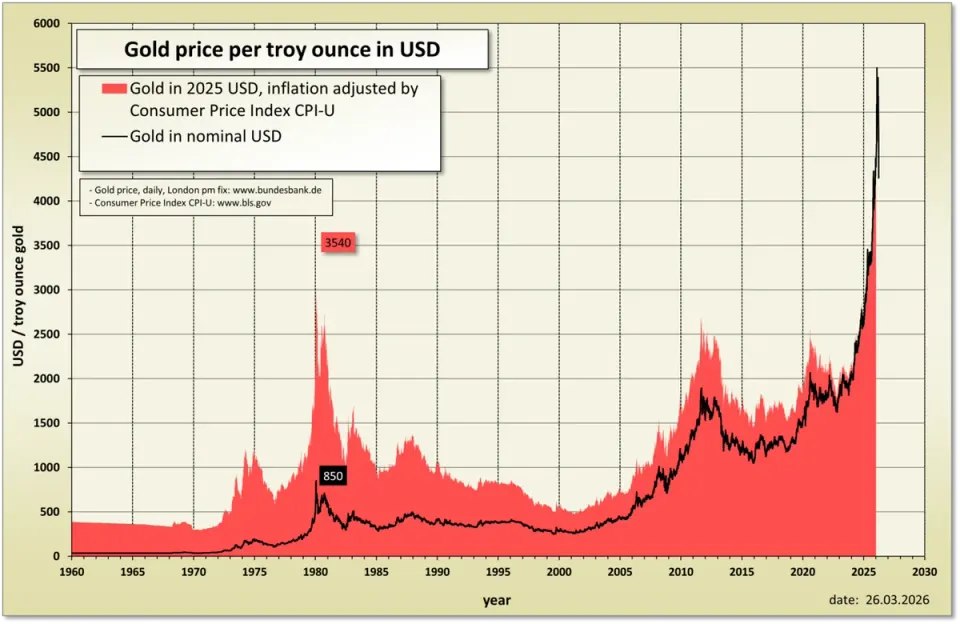
These diplomatic signals are closely watched by the Tehran market, which has shown signs of renewed volatility. On Sunday, October 1, 2026, the US Dollar (USD) rose from 270,000 to 271,500 Toman, marking a 0.6% increase within 24 hours. While the government claims diplomacy is an option, the market's reaction suggests a lack of confidence in any immediate breakthrough. Traders are increasingly hedging against regional uncertainty, as evidenced by the rise in gold prices. The 18k gold gram moved from 25,358,973 to 25,633,685 Toman (+1.1%), reflecting a broader trend of capital moving toward safe-haven assets amidst the geopolitical fog.
Global Unrest: From New Delhi to Novi Sad
Beyond the Middle East, significant civil unrest is brewing in India, where the Congress Party is organizing mass protests in New Delhi. Demonstrators are demanding the resignation of the country’s election chief, citing concerns over voter list revisions that critics argue are biased in favor of the ruling party. This movement, supported by the youth-led "Cockroach" movement, highlights a growing crisis of institutional trust in one of the world's largest economies. When political stability in a major trade partner like India is questioned, it often ripples through global markets, affecting investor sentiment across emerging economies.
Similarly, in Europe, Serbia is marking the second anniversary of the tragic canopy collapse at the Novi Sad railway station. What began as a local tragedy has transformed into a symbol of public frustration with government accountability and infrastructure safety. These events—whether in the streets of Delhi or the squares of Serbia—underscore a global theme of citizens demanding better governance. For readers in Iran, these stories resonate as they reflect similar struggles with infrastructure failure and the transparency of state institutions, reminding us that the link between political accountability and economic stability is a universal constant.

Market Snapshot and Gold’s Global Surge
Closing the hour, the global gold market continues to provide a backdrop for local price hikes. With the global gold ounce trading at $3,876.40, the domestic Iranian market has seen the Emami coin rise from 260,000,000 to 262,000,000 Toman (+0.8%). This upward movement in both currency and gold suggests that the brief periods of stability seen earlier in the week may be giving way to a new round of inflationary pressure. Investors are likely reacting to the combination of stalled international talks and the persistent threat of regional escalation, which keeps the demand for hard currency and bullion at peak levels.
Frequently Asked Questions
چرا دولت بریتانیا به دنبال الگوبرداری از دانمارک در سیستم رفاهی است؟
دلیل اصلی رشد ۱.۱ درصدی قیمت طلا در بازار امروز تهران چیست؟
اظهارات محسن رضایی درباره دیپلماسی چه تأثیری بر بازار ارز داشت؟
The Danish Social Care Model: A Blueprint for Well-being
The United Kingdom's ongoing struggle with its social care system, particularly in children's homes, has led many to cast an admiring glance towards Denmark. The "Danish Social Care Model" offers a compelling alternative, rooted in a comprehensive welfare state philosophy that prioritizes universal access, prevention, and individual well-being over reactive, crisis-driven interventions. This model is not merely a set of services; it's an integrated approach designed to foster independence and dignity across all stages of life, from childhood to old age.
At its core, the Danish model is characterized by significant decentralization. Municipalities play a crucial role, empowered with substantial autonomy and funding to tailor social services to local needs. This local focus enables early intervention and preventative measures, aiming to address potential issues before they escalate into full-blown crises. Services are often integrated, meaning that individuals and families can access a range of support – from childcare and education to elderly care and rehabilitation – through a coordinated system, reducing fragmentation and improving continuity of care.
A defining feature is the strong emphasis on individual autonomy and choice. Rather than a top-down, prescriptive approach, the model seeks to empower citizens to participate actively in decisions about their care. This includes personalized care plans, opportunities for self-management, and a focus on maintaining social connections and active participation in community life. This empowerment is underpinned by a high-trust society where citizens generally have faith in public institutions and professionals.
The financial backbone of this extensive system is a progressive tax model, where higher taxation funds comprehensive public services for all citizens. This commitment to universalism ensures that access to high-quality social care is not dependent on an individual's income or social status. While adapting such a model to a different national context like the UK presents challenges, including differing fiscal structures and cultural expectations, the Danish approach offers valuable lessons in building a resilient, person-centered, and preventative social care system.