Binance’s $6.3 Billion Nightmare: North Korean Hack Rattles Crypto While Gold Hits New Peaks
کابوس ۶ میلیارد دلاری بایننس و پرواز طلا؛ وقتی هکرهای کرهشمالی بازار را تکان میدهند
A record-breaking $6.3 billion hack of Binance by North Korean state actors has sent shockwaves through the crypto market, even as the exchange promises to cover losses. Meanwhile, gold climbs as a safe haven while tensions over the Strait of Hormuz reach a critical boiling point.
At time of publishing
USD
269,700
Toman
Gold 18K
25.60M
Toman / gram
Bitcoin
$77,797
US Dollar
Tether
269,320
Toman
Market Open — Gold Shines as Currency Stalls
Good morning from the Arzbin desk. This Sunday, November 1, 2026, we are waking up to a bifurcated market. The Iranian Rial has shown unexpected resilience, with the USD/IRR pair dipping slightly by 0.1%, moving from 270,000 to 269,700 Toman. This minor correction in the dollar comes despite a backdrop of intense regional rhetoric, suggesting that the local market has perhaps priced in much of the current geopolitical noise, or is simply holding its breath for the next major catalyst.
Gold, however, is telling a much more urgent story. 18k gold gram prices jumped by a solid 1.0% overnight, reaching 25,601,366 Toman, while the global ounce sits at a staggering $3,876.40. This surge reflects a classic flight to safety. When global headlines are dominated by multi-billion dollar hacks and threats of maritime blockades, capital tends to seek the oldest and most reliable store of value. The Emami coin remains flat at 260 million Toman, likely waiting for more definitive volume before following the gram's upward trajectory.
The $6.3 Billion Heist: Binance vs. North Korea
In what is being called the largest cyber-theft in the history of decentralized finance, Binance has confirmed it was the target of a massive $6.3 billion hack. The FBI has officially attributed the attack to the North Korean state-sponsored group known as 'TraderTraitor.' This isn't just a blow to Binance; it’s a systemic shock to the entire crypto ecosystem. Bitcoin, which had been showing signs of recovery, now faces significant downside risks as 'fear' indices surge. The sheer scale of the theft — roughly equivalent to the GDP of a small nation — has left investors questioning the fundamental security of even the largest centralized exchanges.

However, Binance is attempting a masterclass in crisis management. Co-CEO Richard Teng announced that the exchange has already covered 90% of the losses using its internal reserves, ensuring that users will not bear the financial impact. While withdrawals are expected to resume shortly, the remaining 10% of the stolen assets are in less liquid tokens, which will take longer to stabilize. For the Iranian trader, this is a reminder that while crypto offers massive upside, the 'counterparty risk' of keeping funds on any exchange remains the Achilles' heel of the industry. Bitcoin currently trades near $77,797, teetering between a recovery and a deeper correction.
The Hormuz Gambit: A Two-Day Ultimatum
On the geopolitical front, the stakes couldn't be higher. Reports are circulating about a '2-day Hormuz plan' involving Tehran and Qatar. The proposal suggests a potential reopening or easing of tensions in the Strait of Hormuz within 48 hours, provided the United States meets specific, undisclosed conditions from Tehran. This comes at a time when Iranian leaders are bracing for continued friction regardless of the outcomes of the U.S. and Israeli elections. The rhetoric from the Foreign Ministry remains defiant, even as diplomatic channels in Doha remain active.
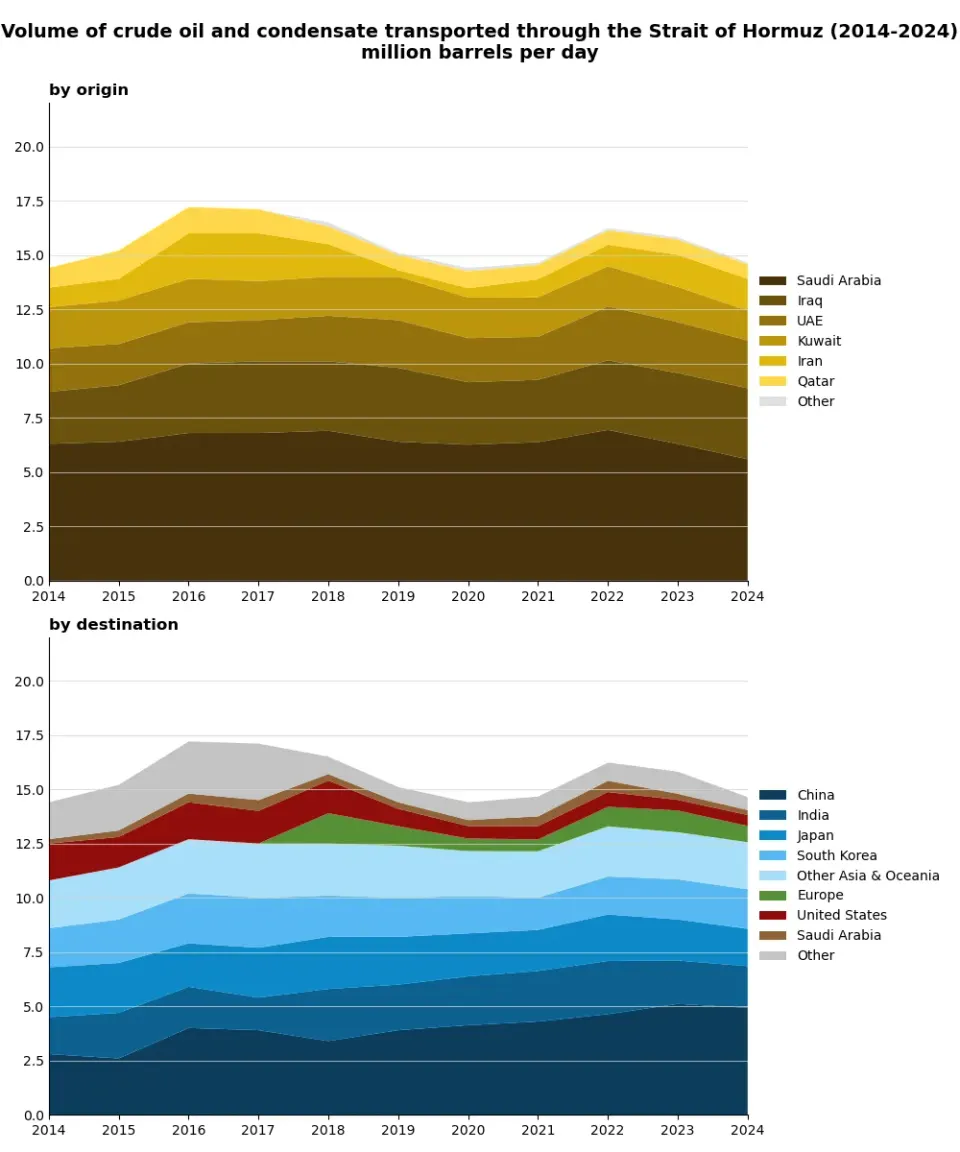
What does this mean for your pocketbook? The Strait of Hormuz is the world's most important oil chokepoint. Any credible threat to its closure sends energy prices — and by extension, the global dollar — into a tailspin. While the Iranian government claims a diplomatic end to the 'war' is possible, the market remains skeptical. This skepticism is exactly why we are seeing gold gain 1% while the Rial remains under pressure. If the '2-day plan' fails to materialize, expect the 270,000 Toman resistance level for the dollar to be tested once again by the end of the week.
Chevron’s Frontier Bet: A Shift in Global Energy
While the Middle East grapples with instability, energy giants are looking elsewhere to secure the future. Chevron has announced a massive 50% increase in its exploration budget, shifting its gaze away from the U.S. Permian basin toward high-impact frontiers in South America, Africa, and the Eastern Mediterranean. Specifically, new reserves in Guyana and Namibia are becoming the new 'holy grail' for Western oil majors. This isn't just about finding more oil; it's about diversifying away from politically volatile regions.

For the global economy, this move by Chevron signals a long-term belief that oil demand isn't disappearing anytime soon, despite the green energy transition. By pouring billions into Guyana and Angola, Chevron is betting that the next decade of energy security will be won in the Atlantic, not the Persian Gulf. For Iran, this represents a long-term strategic challenge: as global players find alternative sources, the 'oil weapon' traditionally held by OPEC nations may lose its edge. It’s a reminder that in the world of high finance, capital always flows toward stability and away from conflict.
Frequently Asked Questions
آیا داراییهای کاربران در بایننس پس از هک ۶.۳ میلیارد دلاری امن است؟
چرا با وجود تنشهای سیاسی، قیمت دلار در تهران کاهش جزئی داشته است؟
علت اصلی جهش ۱ درصدی قیمت طلا در امروز چیست؟
گروه هکری TraderTraitor چیست و چه ارتباطی به بازار دارد؟
State-Sponsored Cybercrime: North Korea's Digital Heists and Sanctions Evasion
The modern geopolitical landscape has given rise to sophisticated forms of conflict, one of the most insidious being state-sponsored cybercrime. Nations facing severe international sanctions, such as North Korea, have increasingly turned to highly skilled hacking groups like the infamous Lazarus Group (also known as APT38 or TraderTraitor) to generate illicit revenue. These state-backed actors are not merely opportunistic criminals; they are strategic instruments designed to circumvent financial restrictions and fund critical national programs, including the development of weapons of mass destruction.
The primary motivation behind these digital heists is to bypass the traditional financial system, which is heavily monitored and restricted by sanctions. Cryptocurrencies, with their decentralized nature and perceived anonymity, have become a preferred medium for these groups. By exploiting vulnerabilities in cryptocurrency exchanges, blockchain bridges, and other digital asset platforms, they can steal vast sums of digital currency. These stolen funds are then laundered through complex networks of mixers and multiple transactions, making them incredibly difficult for law enforcement agencies to trace and recover.
A prominent example of this strategy is the series of high-profile cryptocurrency thefts attributed to North Korean actors, including the significant breach of a blockchain gaming company's platform, where hundreds of millions of dollars in crypto were stolen. While specific incidents like the alleged "Binance hack" mentioned in some reports often refer to funds being laundered through exchanges after a primary theft, the underlying pattern remains consistent: sophisticated cyberattacks are launched against vulnerable crypto infrastructure, and the proceeds are meticulously moved to evade detection and ultimately finance state objectives. The FBI has issued alerts specifically naming "TraderTraitor" in connection with these activities, underscoring the serious threat they pose to global financial security.
The implications of state-sponsored cybercrime extend beyond financial losses. It challenges the integrity of the global financial system, undermines international efforts to enforce sanctions, and creates a volatile environment for digital asset markets. Understanding this phenomenon is crucial for anyone navigating the complexities of modern finance and geopolitics, as it highlights the evolving nature of national security threats and the innovative, albeit illicit, methods employed by sanctioned states to maintain their strategic capabilities.