Maritime Redline: Abadan Bids Farewell to Slain Captain as Tehran Shifts Defense Doctrine Amidst 1.4% Gold Surge
خطونشان دریایی در آبادان و تغییر دکترین دفاعی؛ جهش ۱.۴ درصدی طلا در سایه تنشهای خلیج فارس
Tensions in the Persian Gulf have reached a fever pitch following the funeral of a martyred ship captain in Abadan, while Tehran signals a major shift in its military response strategy. These geopolitical tremors have pushed gold prices up by 1.4% in the local market as the Toman edges closer to the 272,000 mark.
At time of publishing
USD
271,800
Toman
Gold 18K
25.72M
Toman / gram
Bitcoin
$77,731
US Dollar
Tether
271,969
Toman
A City in Mourning: Abadan’s Farewell and the Maritime Standoff
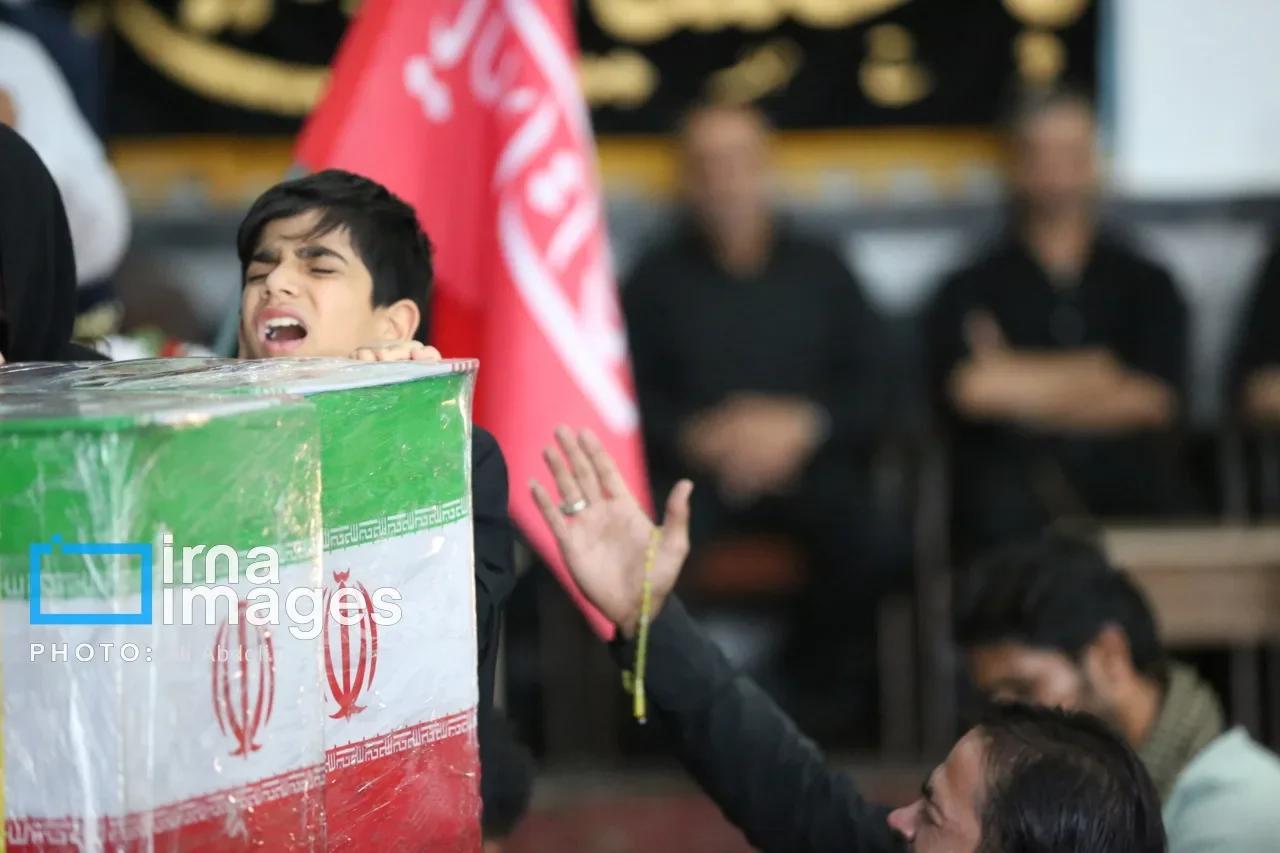
The city of Abadan became the focal point of national grief and geopolitical tension on Sunday evening, October 1, 2026, as residents gathered to bid farewell to Nasser Ebrahimi-Nejadan. The captain of a commercial vessel, Ebrahimi-Nejadan was reportedly killed in an attack by American forces in the open waters of the Persian Gulf. The ceremony was not merely a local funeral but a highly charged political event, attended by high-ranking officials and locals who viewed the incident as a direct provocation. This escalation in the maritime corridor has immediate implications for shipping insurance and regional security, as it marks a departure from shadow warfare into direct, lethal confrontation.
For the average Iranian, this news translates directly into market anxiety. Historically, incidents involving the loss of life in the Persian Gulf lead to immediate spikes in the 'fear index' of the Tehran bazaar. As news of the ceremony spread, the US Dollar sell rate climbed to 271,800 Toman, marking a 0.7% increase from the previous day's 270,000. The market is currently pricing in the risk of a retaliatory cycle that could further disrupt trade routes in the Strait of Hormuz, which remains the primary artery for the region's economic survival.
The 'Geography of Response': Tehran Signals a Doctrine Shift
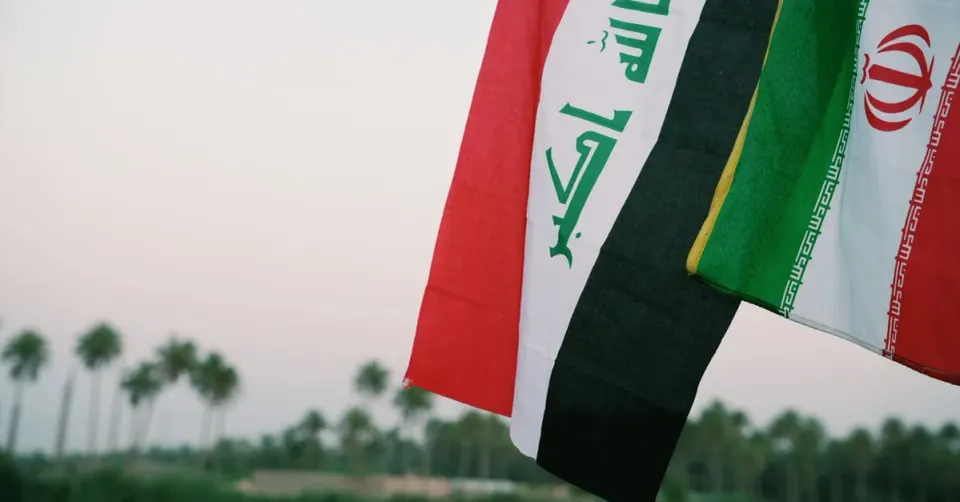
Compounding the tension from the Abadan incident, Mohammad Mokhber, a senior advisor to the Leader of the Islamic Revolution, issued a stern warning that signals a fundamental shift in Iran’s military posture. Mokhber stated that Iran’s defense doctrine is no longer bound by the "geography of a threat," meaning that the location of an attack on Iranian interests will no longer dictate where the response occurs. This "unrestricted response" policy suggests that Tehran may target interests far beyond its immediate borders or the specific site of a conflict, significantly widening the potential theater of operations for any future escalation.
This rhetorical shift is a clear message to Western powers and regional rivals that the old rules of engagement have been discarded. By decoupling the response from the site of the threat, Tehran is attempting to create a new layer of deterrence. However, for international investors and local businesses, this ambiguity creates a 'fog of war' environment. The uncertainty regarding where or when a counter-strike might occur is a primary driver behind the 1.4% surge in Gold 18k prices, which moved from 25,358,973 to 25,721,409 Toman per gram in just 24 hours.
---
Global Market Ripples: From Oleshky to Michigan
While the Persian Gulf simmers, global markets are also reacting to the expiration of the first humanitarian truce in Oleshky, Ukraine. The end of the ceasefire and the resumption of long-range drone strikes on Russian oil refineries—specifically the Kstovo and Samara sites—have kept global energy prices volatile. In the United States, the political landscape is equally fractured as the midterm elections loom. In Michigan, a key battleground state, internal Democratic rifts have led to high-profile cross-party endorsements, adding to the sense of global instability. This convergence of regional conflict and international political upheaval is fueling a flight to safety, with Bitcoin holding steady at $77,731 and global gold ounces trading at a staggering $3,876.40.

For the Iranian reader, these global events are not distant news. The resumption of attacks on Russian oil infrastructure often leads to shifts in global supply chains that indirectly affect Iran's own energy exports and the efficacy of sanctions. Furthermore, the outcome of the US midterms is widely seen as a bellwether for future nuclear negotiations or sanction relief. As the Toman faces pressure from both domestic tragedy and international chaos, the movement of capital into gold and hard currency remains the dominant trend among those seeking to preserve their purchasing power in an increasingly unpredictable world.
The Tech and Sport Sidebar: Route du Rhum and Smart Home Security
In a stark contrast to the heavy geopolitical climate, the Route du Rhum yacht race set off from Saint-Malo, France, with 115 sailors embarking on a solo transatlantic crossing. While seemingly disconnected from the world of finance, such events often serve as testing grounds for advanced satellite communication and weather-tracking AI, technologies that eventually trickle down into the logistics and shipping sectors. Meanwhile, in the tech world, hints of Apple’s upcoming 'HomeView' features suggest a deeper push into AI-driven security camera integration, highlighting that despite global turmoil, the race for consumer data and smart-home dominance continues unabated.
Frequently Asked Questions
Why did gold prices jump 1.4% today in Iran?
What does the change in Iran's defense doctrine mean?
How is the Ukraine conflict affecting Iranian markets right now?
Understanding Defense Doctrine and Iran’s Recent Shift
A defense doctrine is a nation’s overarching set of principles that guide how it uses its military to achieve security objectives. It outlines the strategic goals, the types of threats a country expects, the preferred methods of response, and the allocation of resources among land, sea, air, and cyber domains. Doctrines are not static; they evolve with changes in technology, geopolitics, and internal political calculations, often codified in official white papers or strategic documents.
In recent months, Iran’s leadership, led by President Ebrahim Raisi and Vice President Mohammad Mokhber, has signaled a shift from a conventional, deterrence‑based posture toward a more asymmetric, “layered” defense. This new approach emphasizes low‑cost, high‑impact capabilities such as fast attack craft, anti‑ship missiles, unmanned aerial systems, and cyber‑operations, especially in the strategically vital Persian Gulf and Strait of Hormuz. The rationale is to compensate for the quantitative gap with the United States and its regional allies while exploiting Iran’s geographic advantages and domestic industrial base.
The shift has several implications. First, it raises the risk of rapid escalation during maritime incidents, as smaller, faster platforms can strike with little warning. Second, it encourages a “distributed lethality” model, where many modest assets collectively pose a significant threat, complicating adversary targeting and surveillance. Third, the doctrine reinforces Iran’s narrative of self‑reliance and resilience, bolstering domestic political legitimacy amid economic pressure from sanctions and a soaring gold price.
Understanding this doctrinal evolution helps explain why incidents like the tragic loss of the Abadan‑based captain are framed not just as isolated accidents but as part of a broader strategic narrative. It also sheds light on how Iran’s defense policy interacts with regional security dynamics, including the ongoing cease‑fire talks in Oleshky and the broader contest between great powers in the Gulf.
For readers interested in deeper study, explore the classic works on defense theory, the specifics of Iran’s military reforms, and analyses of asymmetric maritime warfare.
Topics
Related Articles