Oleshky Residents Return Amidst Tensions; UK Apology on Slave Trade Rejects Reparations
بازگشت ساکنان اولشکی در بحبوحه تنشها؛ بریتانیا عذرخواهی بردهداری را با رد غرامت همراه کرد
Residents have begun returning to the Ukrainian city of Oleshky following a localized truce, describing dire conditions under Russian occupation. Meanwhile, the UK government has offered an apology for its historical role in the slave trade but firmly rejected any prospect of financial reparations, sparking debate.
At time of publishing
USD
271,500
Toman
Gold 18K
25.58M
Toman / gram
Bitcoin
$77,991
US Dollar
Tether
271,298
Toman
Oleshky Residents Return to Ukraine Amidst Grim Accounts
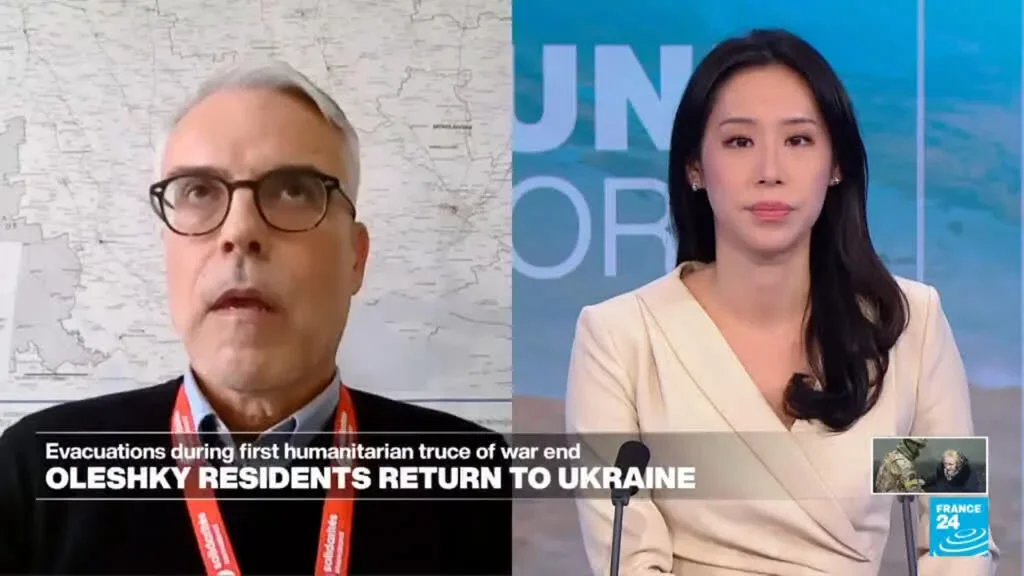
Residents evacuated from the Russian-occupied city of Oleshky have managed to reach Ukrainian-held territory, marking a significant human story amidst the ongoing conflict. These individuals recounted harrowing experiences of isolation, severe food shortages, and relentless shelling during their time under occupation. Some survivors described resorting to extreme measures, such as consuming grass and even dogs, to stay alive. The city, seized by Russian forces early in the 2022 invasion, remains strategically isolated, cut off by the Dnipro River on one side and Russian military lines on the other, highlighting the dire humanitarian situation.
The rare local truce that facilitated this movement offers a glimmer of hope but underscores the immense suffering endured by civilians trapped in conflict zones. The return of these residents provides crucial firsthand accounts of life under occupation, detailing the daily struggles for survival and the psychological toll of prolonged isolation and violence. These testimonies are vital for understanding the true cost of the war on civilian populations and may influence future diplomatic efforts or humanitarian aid strategies. The precariousness of the situation, with the city still under Russian control and geographically constrained, means that the long-term safety and stability for those returning remain uncertain.
---
UK Rejects Reparations for Slave Trade Despite Apology
British government official John Healey has stated that while the UK will offer an apology for its historical role in the transatlantic slave trade, this will not translate into financial reparations. The announcement comes ahead of a meeting with Commonwealth leaders, where discussions on historical injustices are expected. Healey emphasized that a formal apology does not equate to accepting present-day financial liability for actions that occurred centuries ago, in which current generations had no direct involvement.
This stance has drawn immediate criticism from various quarters, particularly from descendants of enslaved people and nations that suffered under the system of chattel slavery. For nearly 250 years, British ships were instrumental in trafficking millions of enslaved Africans, a practice deeply embedded in state policy and supported by the monarchy and Parliament. Many were forcibly taken to British-owned plantations in the Caribbean, where generations were born into bondage. The rejection of reparations, despite the acknowledgement of historical wrongdoing, highlights a deep divide in how the legacy of slavery is perceived and addressed, potentially straining relations with Commonwealth nations and reigniting debates about historical accountability and restorative justice.

---
Azerbaijan's Renewable Energy Push Accelerates
Azerbaijan, historically a major player in the global oil and gas markets, is making significant strides in transforming its energy sector through a rapid expansion of renewable energy capacity. The nation, currently hosting COP29, has set ambitious climate targets and is actively encouraging other countries to follow suit. This strategic pivot towards renewables is not just an environmental commitment but also a significant economic development that could reshape its energy exports and influence in the global market.
In the first nine months of the current year, renewable energy sources contributed 20% to Azerbaijan's total electricity production, a notable increase from 13.4% in 2025. This expansion signals a successful implementation of national strategies aimed at diversifying the energy mix and reducing reliance on fossil fuels. The growth in renewable capacity is expected to enhance energy security, potentially lower domestic energy costs, and create new economic opportunities in green technologies and infrastructure. As Azerbaijan positions itself as a leader in the energy transition, its success in scaling up renewables could serve as a model for other resource-dependent economies seeking to balance economic development with climate action.

---
Iranian Foreign Minister to Visit Turkmenistan
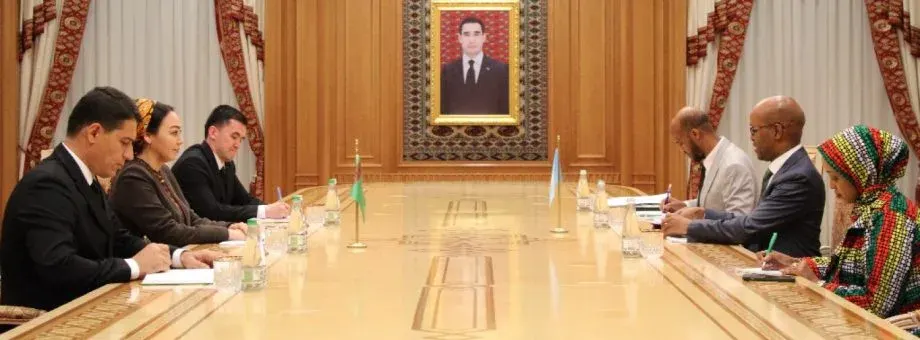
Foreign Minister Abbas Araghchi is set to embark on a diplomatic mission to Ashgabat, Turkmenistan, on Monday, leading a delegation comprising both diplomatic and economic representatives. This visit signals Iran's ongoing efforts to bolster bilateral relations and explore avenues for enhanced cooperation with its Central Asian neighbors, a region of strategic importance for Tehran's foreign policy and economic outreach.
The inclusion of an economic delegation suggests that discussions will likely focus on trade, energy, and potentially transit routes. For Iran, strengthening economic ties with Turkmenistan can offer opportunities to diversify trade partners, circumvent some sanctions pressures, and tap into new markets. Given the current geopolitical climate and regional dynamics, such diplomatic engagements are crucial for Iran to maintain its international presence and pursue its economic objectives. The outcome of this visit could have implications for regional trade flows and Iran's broader engagement strategy in Central Asia.
---
New Fiber Technology 'Renoa' Emerges
Tech startup Everbloom has unveiled 'renoa,' a novel material described as the first new type of fiber to be developed in 25 years. While details on its specific applications and manufacturing processes are still emerging, the introduction of a fundamentally new fiber promises potential advancements across various industries, from textiles and apparel to advanced materials and manufacturing.
The significance of renoa lies in its potential to disrupt established supply chains and offer new performance characteristics or sustainability benefits. The development of new materials is a key driver of innovation, enabling the creation of next-generation products and solutions. For consumers and industries alike, the emergence of renoa could mean improved product durability, enhanced comfort, or entirely new functionalities, marking a notable step forward in material science after a quarter-century stagnation in fiber innovation.
Frequently Asked Questions
What are the living conditions like for residents returning to Oleshky?
Why is the UK's apology for the slave trade controversial?
How significant is Azerbaijan's shift towards renewable energy?
What is the purpose of Iranian Foreign Minister Araghchi's visit to Turkmenistan?
What is 'renoa' and why is it significant?
Understanding Reparations: Addressing Historical Injustices
The concept of "reparations" refers to acts of redress, compensation, or restitution for a past wrong or injury. While often associated with financial payments, reparations can take many forms, including land reform, educational programs, infrastructure development, medical care, symbolic gestures like apologies, and investments in communities that have suffered harm. The fundamental aim is to acknowledge and mitigate the lasting consequences of historical injustices, attempting to restore, as much as possible, those who were wronged or their descendants to a position they would have occupied had the injustice not occurred.
One of the most prominent contemporary debates surrounding reparations centers on the transatlantic slave trade and its enduring legacy. Proponents argue that the systemic brutality, exploitation, and dehumanization inherent in slavery created deep-seated economic, social, and psychological disadvantages that continue to affect descendants of enslaved people today. These disadvantages manifest as wealth gaps, disparities in education and healthcare, and persistent racial discrimination. From this perspective, reparations are not merely about compensating for past suffering but about addressing ongoing structural inequalities rooted in historical injustices.
However, the concept is fraught with complexities and faces significant opposition. Critics often raise questions about the practicality of implementation, such as who should pay, who should receive, and how damages from centuries ago can be accurately quantified. Some argue that current generations should not be held responsible for the actions of their ancestors, or that the passage of time makes direct compensation unfeasible. Others suggest that focusing on present-day inequalities through broader social and economic policies is a more effective approach than attempting to rectify distant historical wrongs with specific reparations.
Despite the challenges, the global conversation around reparations continues to evolve, with various countries and institutions grappling with their historical roles in colonialism, slavery, and other human rights abuses. The debate highlights a fundamental tension between acknowledging historical responsibility and the practical difficulties of achieving restorative justice across generations. Understanding reparations means recognizing the profound impact of history on contemporary society and the ongoing efforts to reconcile past wrongs with present-day realities.
Topics
Related Articles