Waste Picker Crisis Highlights Recycling Failure; Flight Bomb Threats Rattle Europe as US Midterm Fallout Deepens
بحران زبالهگردی در کنیا و تهدید بمبگذاری در پروازهای اروپا؛ سایه سنگین سیاستهای جدید واشینگتن بر بازارها
Global recycling efforts hit a wall as Kenya's Dandora landfill exposes the human cost of waste, while a coordinated campaign of bomb threats disrupts European aviation. Meanwhile, the aftermath of the US midterms puts Defense Secretary Pete Hegseth's future in doubt, directly impacting regional security outlooks.
At time of publishing
USD
268,500
Toman
Gold 18K
25.92M
Toman / gram
Bitcoin
$75,941
US Dollar
Tether
269,727
Toman
The Human Cost of the Global Recycling Failure
In the heart of Nairobi, the Dandora landfill serves as a grim monument to the failure of the global circular economy. Every day, more than 2,000 tonnes of waste are dumped at the site, where an army of informal waste pickers risks their lives and health to recover materials. Despite their grueling labor, recent reports indicate that only a staggering 7 percent of plastic waste is actually being recycled. This highlights a systemic breakdown where the burden of Western consumption and inefficient industrial processes is shifted onto the world's most vulnerable populations, who face respiratory diseases and toxic exposure for pennies a day.
This crisis is not just a localized environmental issue; it represents a significant economic reality for global markets. As international regulations on waste management tighten, the cost of plastic production and disposal is expected to rise, eventually impacting the pricing of consumer goods worldwide. For Iranian readers, this serves as a reminder of how global commodity chains are becoming increasingly strained. The inefficiency of current recycling models suggests that the 'green premium' on sustainable materials will likely remain high, keeping inflation sticky in sectors ranging from packaging to retail as companies struggle to find viable alternatives to virgin plastics.

Coordinated Bomb Threats Disrupt European Aviation
European aviation security is currently on high alert following what Irish authorities have described as a 'coordinated campaign of disruption.' A series of bomb threats targeting multiple flights, including a Romanian Tarom flight from Prague to Bucharest, has forced pilots to issue emergency squawk codes and execute unscheduled landings. While most of these threats have fortunately proven to be hoaxes, the scale and timing suggest a deliberate attempt to test the resilience of European security infrastructure and inflict maximum economic damage through fuel costs, delays, and insurance premium hikes.
From a geopolitical perspective, this wave of 'grey zone' warfare is designed to create a sense of instability without crossing the threshold of open conflict. For the broader market, especially in the Middle East, such disruptions in European airspace often lead to immediate volatility in travel-related stocks and a flight to safety in assets like gold. As the security establishment in Rome, Madrid, and Warsaw grapples with these threats, the focus shifts to the potential for state-backed actors to use psychological operations to rattle investor confidence in Western stability, a tactic that often precedes broader shifts in diplomatic or economic relations.
US Midterm Fallout and the Future of Iran Policy
The political landscape in Washington is shifting rapidly following the November 3 midterm elections, casting a long shadow over the future of US defense and foreign policy. Defense Secretary Pete Hegseth is currently fighting for his political life as calls for impeachment grow louder amidst a Democratic surge in Congress. Hegseth recently issued a defiant video message, defending his record and the 'historic' nature of military posturing toward Iran. However, with a 'politically neutered' presidency at home, the administration may become more desperate to project strength internationally, leading to what analysts describe as a 'period of uncertainty' that could either result in reckless escalation or a total diplomatic stalemate.
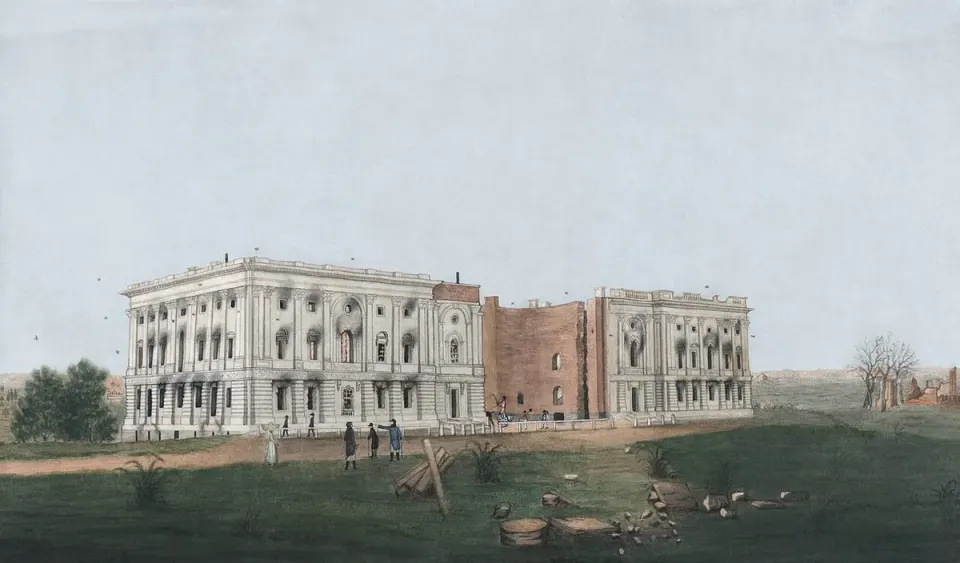
Energy consultancy FGE NexantECA has warned that the chances of a meaningful US-Iran deal remain historically low. Fereidun Fesharaki noted that the situation is currently worse than the pre-June MOU levels, with high risks of escalation in the Strait of Hormuz over the next two months. For the Iranian economy, this suggests that the era of 'sanctions relief' expectations remains a distant dream. The domestic market reflects this tension; USD in Tehran moved from 268,200 to 268,500 (+0.1%) in the last 24 hours, while gold 18k/gram dipped slightly from 26,086,153 to 25,924,557 (-0.6%), showing that investors are hedging against both domestic inflation and external geopolitical shocks.
Canada’s Economic Sovereignty and Global Protectionism
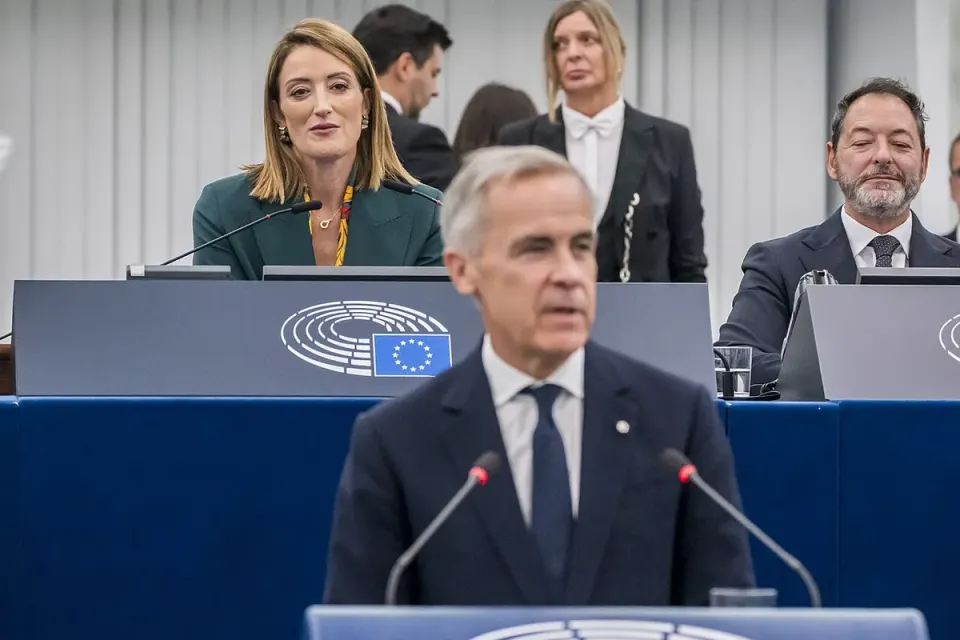
In a significant move toward economic independence, Canadian Prime Minister Mark Carney has unveiled the 'Masters of our Destiny' budget, allocating 44 billion Canadian dollars to protect businesses and workers from foreign tariffs. This budget signals a pivot away from total reliance on the US economy, emphasizing domestic resilience and strategic autonomy. Carney’s approach is part of a broader global trend where middle powers are increasingly shielding themselves from the volatility of US trade policy and the rekindled presence of inflation, which is already forcing tax bracket adjustments in major economies.
This trend toward protectionism has direct implications for global trade flows and the dominance of the US dollar. As nations like Canada and even South Africa—where the ANC is facing a historic electoral defeat—restructure their economic priorities, the traditional pillars of global trade are being tested. For observers in Iran, these shifts highlight the emergence of a multi-polar economic world where regional blocs and national budgets are being weaponized to navigate a landscape defined by high interest rates, persistent inflation, and the ever-present threat of trade wars.
Watch
The human cost of recycling: Kenyan waste pickers put their health at risk • FRANCE 24 English
FRANCE 24 English
Frequently Asked Questions
چرا تهدیدهای بمبگذاری در اروپا بر بازارهای مالی تأثیر میگذارد؟
تاثیر تزلزل جایگاه پیت هگست بر سیاستهای ایران چیست؟
چرا نرخ بازیافت پلاستیک در جهان اینقدر پایین است؟
Understanding Exchange Rates and Currency Valuation
When news headlines mention specific currency values, like the "Tehran USD price," or the local price of a global commodity such as "Gold price Tehran," they are touching upon the fundamental economic concept of exchange rates and currency valuation. An exchange rate represents the price of one country's currency in terms of another. For instance, the "Tehran USD price" indicates how many Iranian Rials are needed to purchase one US Dollar. These rates are crucial because they directly impact international trade, making imports cheaper or more expensive, and influencing a nation's overall economic stability and purchasing power.
Several factors continuously influence a currency's valuation. Core economic fundamentals play a significant role: higher interest rates tend to attract foreign investment, strengthening a currency, while high inflation can erode its value. A healthy trade balance (exporting more than importing) can also boost demand for a country's currency. Conversely, large budget deficits or slow economic growth can put downward pressure on a currency. Central banks and governments often implement fiscal and monetary policies, like those hinted at by "Mark Carney budget," to manage these economic levers and stabilize their national currency.
Beyond economic fundamentals, geopolitical factors are powerful drivers of currency movements. Headlines mentioning "Strait of Hormuz risk" highlight how regional instability, threats to global trade routes, or international sanctions can dramatically impact a currency's perceived value. Such risks can lead investors to pull capital out of a region, causing the local currency to depreciate sharply. This flight of capital often results in a surge in demand for stable foreign currencies (like the USD) or safe-haven assets, which explains why the "Gold price Tehran" might rise significantly during periods of local currency weakness and uncertainty.
Ultimately, a nation's currency valuation is a complex interplay of its economic health, government policies, and the prevailing global and regional geopolitical landscape. Understanding these dynamics helps a curious reader grasp why a specific currency might be strengthening or weakening, and how these changes ripple through the economy, affecting everything from the cost of imported goods to the value of local savings and investments.
Topics
Related Articles