Scotland's Bonfire Night Chaos and Iran's Missile Base Expansion Rattle Global Security Sentiment
آشوب در شب آتشبازی اسکاتلند و توسعه پایگاههای موشکی ایران؛ سایه تنش بر بازارهای جهانی
Violence erupts in Scotland as police vehicles are torched during Bonfire Night, while new satellite imagery reveals suspicious construction at Iranian missile sites. Meanwhile, crypto markets face a reality check with over $530 million exiting ETFs.
At time of publishing
USD
268,200
Toman
Gold 18K
25.97M
Toman / gram
Bitcoin
$75,604
US Dollar
Tether
271,324
Toman
Operation Amberlight: Scotland Braces for Urban Unrest
Violence flared across Scotland during the traditional Bonfire Night celebrations, leading to the arrest of seven individuals in Glasgow and the torching of a police vehicle. Authorities reported that emergency workers were targeted with industrial-grade fireworks in what has been described as a coordinated wave of disorder. Police Scotland was forced to launch "Operation Amberlight," deploying the largest number of officers seen since the high-profile visit of Donald Trump last year. The scale of the unrest has raised serious questions about social cohesion and the rising trend of using festive periods as a cover for anti-establishment violence.
The implications of this unrest extend beyond local law enforcement. In a world already on edge due to geopolitical shifts following the recent US midterms, images of burning police vans in a major European city contribute to a broader narrative of instability. For markets, such domestic volatility often signals a shift in risk appetite, as investors weigh the potential for civil unrest to impact economic productivity and government focus. While the situation in Glasgow is currently being contained, the intensity of the clashes suggests a deeper underlying frustration that could manifest in future protests, keeping security services across the UK on high alert.

Satellite Intel: Expansion at Iranian Missile Facilities
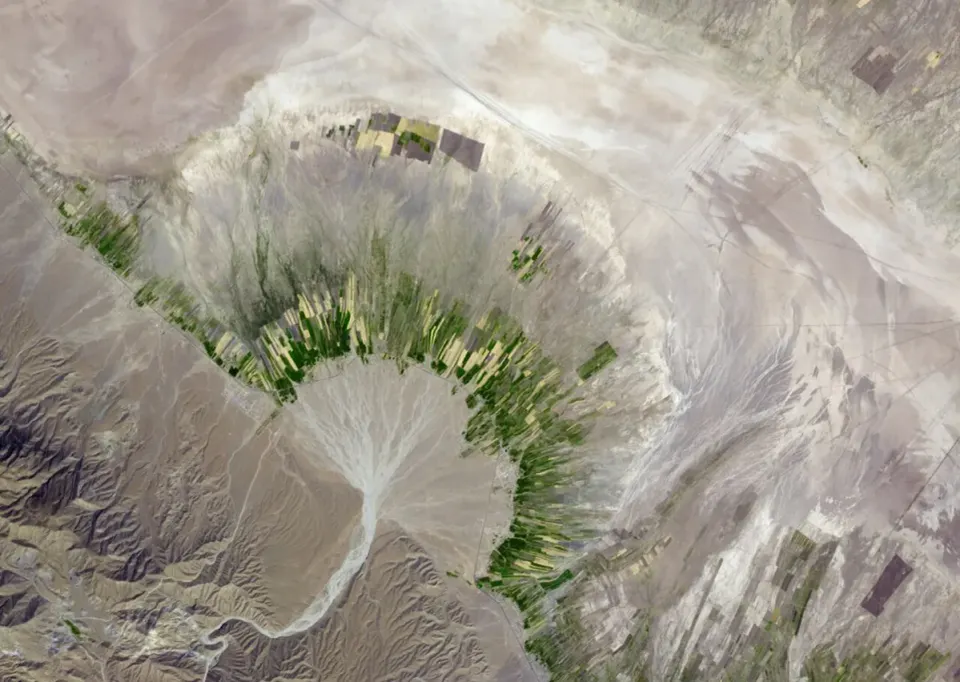
Fresh satellite imagery obtained in November 2026 has revealed significant new construction and excavation activity near several of Iran's known missile bases. The reports, corroborated by independent analysts and major international outlets, show the rapid development of new buildings and underground structures. This expansion comes at a time of heightened regional friction and suggests a strategic move by the Iranian military apparatus to reinforce its ballistic capabilities. While the Iranian government has not provided a transparent explanation for these developments, the scale of the digging indicates a long-term commitment to hardening these sites against potential external threats.
For the Iranian public and regional neighbors, this development is a double-edged sword. On one hand, it signals a defiant stance against international pressure and sanctions; on the other, it risks inviting further economic isolation and military scrutiny. The timing of this construction is particularly sensitive, as it coincides with high-level meetings between Iranian security officials and Russian leadership in Moscow. As these sites become more fortified, the window for diplomatic de-escalation appears to be narrowing, which typically exerts upward pressure on the price of gold and the US Dollar in the Tehran market as citizens seek hedges against geopolitical uncertainty.
Global Markets: The Post-Election Hangover
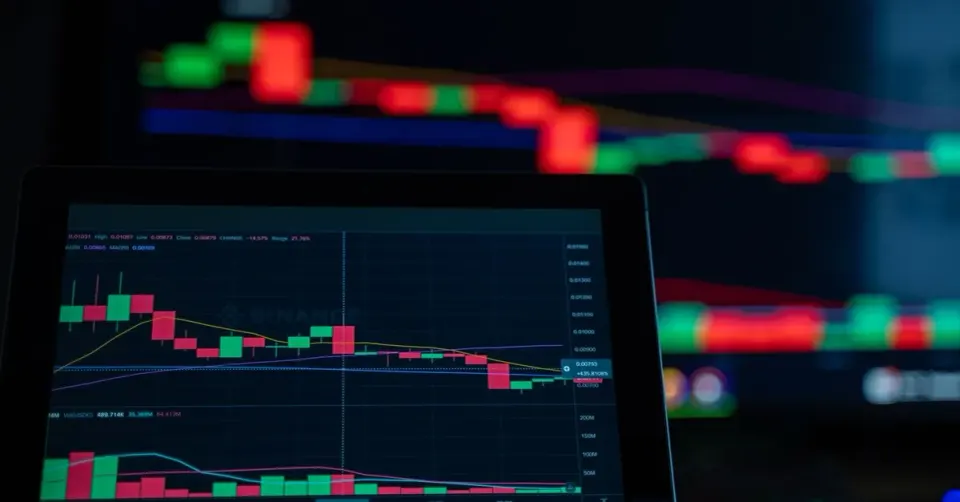
The euphoria following the recent political shifts in the United States appears to be fading as institutional investors pull back from riskier assets. On Thursday, spot Bitcoin and Ether ETFs recorded a combined outflow of $530 million, a stark reversal from the record-breaking inflows seen earlier in the week. Bitcoin has struggled to maintain its footing above the $76,000 mark, currently trading at $75,604. This retreat suggests that the "Trump trade"—a bet on deregulation and pro-crypto policies—is facing a reality check as the practicalities of governance and legislative hurdles become clearer.
In Tehran, the currency and gold markets remain relatively stable but tense. The US Dollar is currently quoted at 268,200 Toman, showing no change over the last 24 hours, while Gold 18k has seen a slight dip of 0.4%, moving from 26,086,153 to 25,970,728 Toman per gram. This stagnation reflects a "wait-and-see" approach by local traders who are balancing the news of regional military expansion against the cooling of global crypto markets. Tether (USDT) continues to command a premium in the local market, trading at 271,324 Toman, as it remains the primary exit ramp for those looking to preserve capital amidst the fluctuating global sentiment.
Airspace Anxiety: Hoax Threats Disrupt European Aviation
European aviation authorities are on high alert following a series of bomb threats that disrupted more than two dozen flights across the continent on Thursday. While all targeted aircraft eventually landed safely and the threats were determined to be hoaxes, the incident has caused significant logistical chaos and psychological distress for travelers. These "Grey Zone" tactics, often attributed to state-sponsored actors or sophisticated hacking groups, aim to create economic friction and test the response times of emergency services without engaging in direct kinetic conflict.
The cost of such disruptions is immense, involving diverted flights, emergency fuel consumption, and the massive deployment of ground security. For the broader economy, these incidents act as a tax on global trade and mobility. As long as the origins of these threats remain obscured, the aviation industry faces a permanent increase in operational costs. This climate of uncertainty often leads to a flight to safety in financial markets, further supporting the value of the US Dollar and gold against more volatile currencies and assets.
Frequently Asked Questions
Why did crypto ETFs see such large outflows today?
What do the satellite images of Iranian missile bases indicate?
What is Operation Amberlight in Scotland?
Understanding Regional Power Projection and its Geopolitical Impact
The news of Iran's missile base expansion, alongside other global security concerns, brings into sharp focus the concept of Regional Power Projection. This term describes a nation's ability to deploy and sustain military force, diplomatic influence, and economic leverage beyond its immediate borders to achieve strategic objectives. It's not just about having a strong military; it encompasses the logistical, political, and economic capacity to exert influence far from home. For countries like Iran, enhancing missile capabilities and expanding military infrastructure are often seen as crucial tools for deterring adversaries, protecting national interests, and shaping regional dynamics.
Nations engage in power projection for a multitude of reasons. Primarily, it serves to safeguard national security by creating a credible deterrent against potential threats, allowing a state to respond to crises or protect its citizens and assets abroad. Beyond defense, it can be a means to advance economic interests, secure vital trade routes or resources, and support allies. Furthermore, power projection plays a significant role in enhancing a nation's prestige and diplomatic leverage on the international stage, signaling its commitment and capacity to act decisively in its sphere of influence.
The expansion of a missile base, as reported for Iran, is a direct manifestation of military power projection. Missiles, especially those with advanced capabilities, offer a potent means of extending a nation's reach and striking capabilities without necessarily deploying large conventional forces. This strategic development can significantly alter the balance of power in a region, creating a new set of security considerations for neighboring states and global powers alike. Satellite imagery, as mentioned in the keywords, often provides critical intelligence on such expansions, allowing international observers to assess potential shifts in a nation's strategic posture.
However, while power projection can contribute to a nation's security and influence, it also carries inherent risks to geopolitical stability. When multiple regional actors pursue aggressive power projection strategies, it can lead to an arms race, heightened tensions, and a greater likelihood of proxy conflicts. The "rattling global security sentiment" described in the headline is a direct consequence of such developments, as the international community grapples with the implications of an evolving security landscape. The constant balancing act between a nation's right to self-defense and the imperative to maintain regional peace and stability remains a central challenge in international relations.
Ultimately, understanding regional power projection is key to interpreting many global events. It helps explain why nations invest heavily in military technology, forge alliances, and engage in complex diplomatic maneuvers. It underscores the interconnectedness of national security decisions and their far-reaching effects on the international system, prompting continuous vigilance and dialogue among states to prevent escalation and promote a more secure world.
Topics
Related Articles